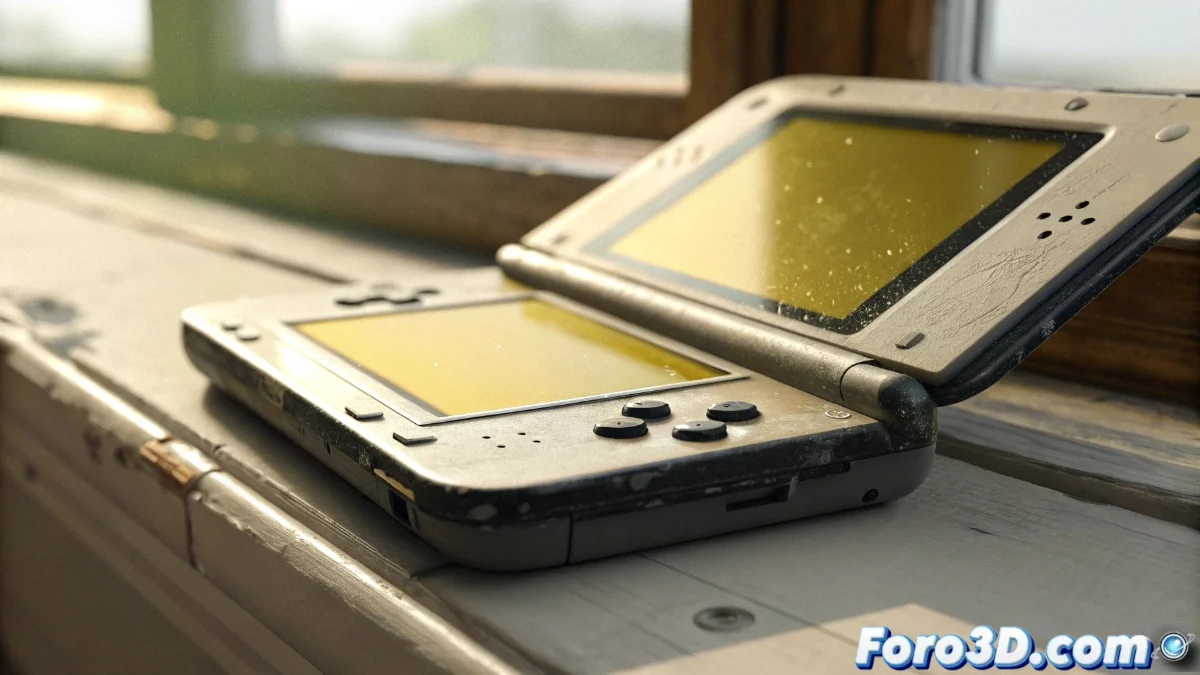
Discoloration and Bezel Issues in Nintendo 3DS: Causes and Solutions
The original Nintendo 3DS has shown persistent issues related to screen discoloration and bezel adhesive failures, which impair the visual experience without affecting the console's internal functionality 🎮.
Origin of Defects in Initial Models
These problems are mainly attributed to the use of low-quality materials in units manufactured between 2011 and 2015. Over time, the glue loses adhesion, and the screen develops a yellowish tone or reduced brightness, especially after prolonged exposure to heat and ambient light.
Key Factors in Deterioration:- Use of low-durability adhesives in the initial assembly
- Sensitivity of screen components to high temperatures
- Cumulative impact of ambient light on discoloration
Time and sunlight have unintentionally customized the color of many screens, adding an unwanted vintage touch.
Advances in Later Console Versions
Nintendo implemented partial improvements in the New 3DS and 2DS XL revisions, integrating more resistant bezels and screens with greater durability. Although these updates have reduced the incidence of failures, they do not address the millions of original units that still exhibit them, highlighting premature aesthetic obsolescence.
Features of the Improved Models:- Redesigned bezels with higher-quality adhesives
- Screens optimized to resist discoloration
- Reduction of issues in more recent consoles
Consequences for Users and Repair Alternatives
For owners of affected models, discoloration and the detached bezel can diminish immersion in games and require costly repairs, as Nintendo does not offer an official replacement program. Some users opt to replace the screen or reapply adhesive themselves, although these actions carry risks of damaging other components. Overall, the issue underscores the compromises made during the console's initial manufacturing.