Directed Dream Incubation: How to Influence What We Dream
The boundary between sleep and wakefulness blurs with emerging technologies. Directed dream incubation investigates methods to actively guide the content of our dreams through external stimuli. 🛌
The Mechanism Behind Dream Guidance
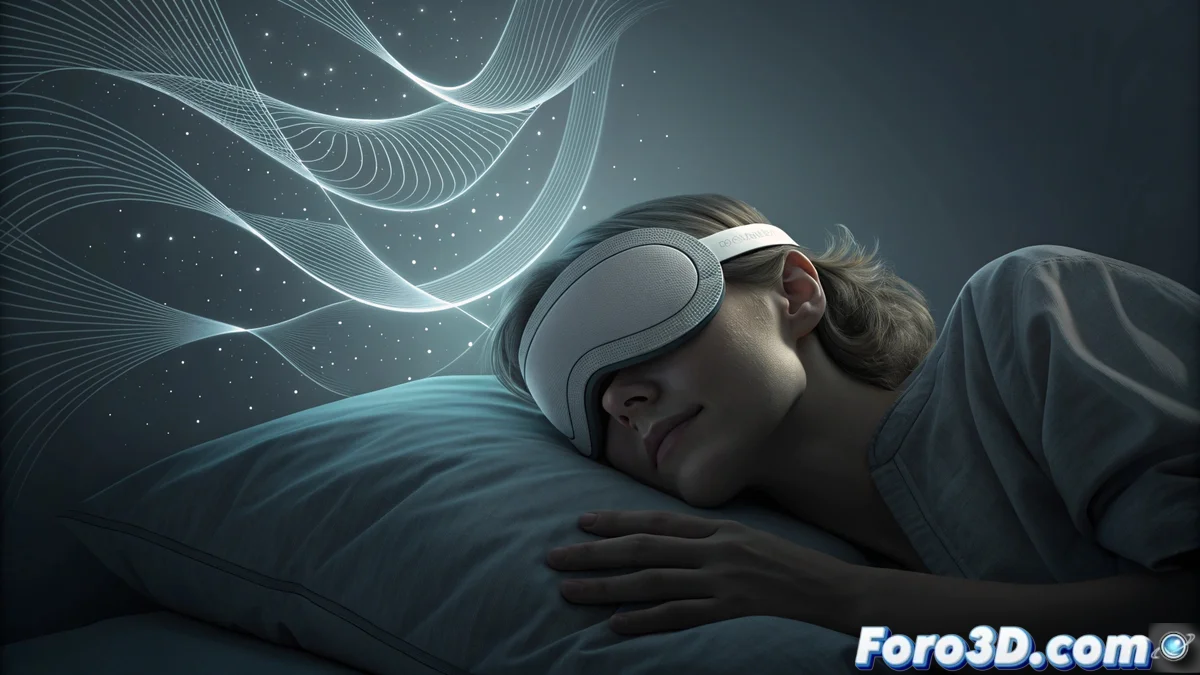
Specialized devices, such as masks or headbands, continuously monitor the user's brain waves. Their main goal is to accurately identify the onset of the REM sleep phase, the moment when dreams are most intense and narrative. Upon detecting this window, the device releases a preconfigured signal.
Types of stimuli used:- Specific sounds: such as the sound of the sea or a soft melody, designed to integrate into the dream's plot.
- Subtle aromas: fragrances like freshly cut grass or coffee, which the brain can perceive without waking.
- Faint light pulses: projected through closed eyelids to trigger visual changes in the dream scenario.
The sleeping brain keeps a sensory door slightly ajar, allowing certain external stimuli to shape the story we experience while dreaming.
Scientific Foundations and Processing Information During Sleep
This technology is not magic; it is supported by neuroscience studies. Research in sleep laboratories demonstrates that the brain continues to process information auditory and olfactory during deep rest. A forest scent can make us dream of a walk among trees, demonstrating how a simple sensory input can redirect an entire dream narrative. The devices seek to harness this phenomenon to plant an idea or specific context in the unconscious mind.
Practical applications beyond leisure:- Psychological therapy: to help people confront phobias or anxieties in a controlled and safe dream environment.
- Training and rehearsal: athletes or professionals could practice motor or cognitive skills during sleep.
- Boosting creativity: by facilitating the brain to connect disparate concepts in novel ways, serving as an idea incubator.
The Future and Ethical Considerations
Although the field is promising, it is nascent. More scientific evidence is required to validate its long-term efficacy and understand its limits. Ethical questions arise about mental privacy and the possible commercialization of the dream experience. Could our dreams have sponsors? The idea, though it may seem like science fiction, forces reflection on the boundaries of this powerful tool. The path ahead involves balancing innovation with responsible exploration of the last personal frontier: our sleeping mind. 🔮