Devices That Promise to Save Energy Are a Scam
Gadgets that connect directly to the power outlet and promise to miraculously reduce household electricity consumption are circulating in the market. These products, sold as energy savers or power stabilizers, lack any scientific or technical backing. Warnings from consumer associations and electricians are clear: they do not fulfill their promises. ⚠️
The Device's Interior Dismantles the Myth
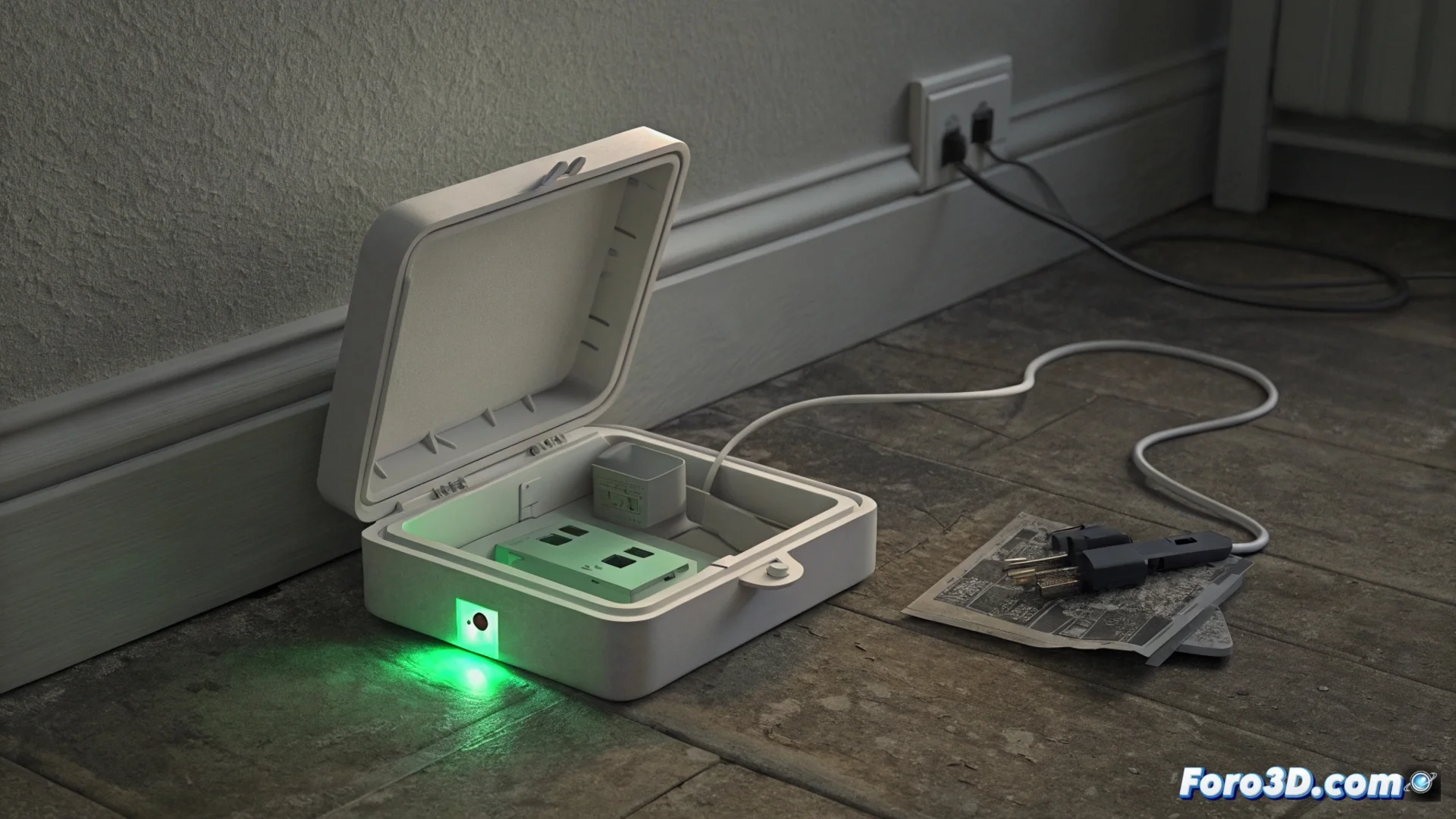
Upon disassembling the casing of these devices, the simplicity of their circuit becomes evident. The electronics are limited to basic and low-cost components, such as a capacitor and a resistor, accompanied by an LED that only serves to indicate that it is on. There are no elements that can measure, compensate, or store energy effectively for a home. Their design makes any real interaction with the electric meter or the installation impossible, so it is false that they alter the consumption recorded by the company.
Components Found Inside:- A low-capacity capacitor, unable to store useful energy.
- A current-limiting resistor for the indicator LED.
- An LED diode that lights up to simulate activity.
Connecting these devices introduces an unnecessary risk element into the home's electrical installation.
A Real Risk to Home Safety
Far from saving energy, these poorly constructed items pose a tangible danger. Made with materials of very low quality and without complying with safety standards, they tend to overheat when connected to the grid for prolonged periods. This overheating increases the likelihood of causing a short circuit or, in critical situations, starting a fire.
Possible Consequences of Their Use:- Overheating of the device and the outlet.
- High risk of short circuit in the installation.
- Possibility of causing an electrical fire.
The Only Energy They Save
The conclusion is clear: the only expense you avoid is the one involved in purchasing them. After plugging them in, the electricity bill remains unchanged. The only thing these devices manage to stabilize is frustration when checking the bill. Experts' recommendation is clear: avoid buying them and rely on verified saving methods, such as improving insulation or using efficient appliances. 🔌