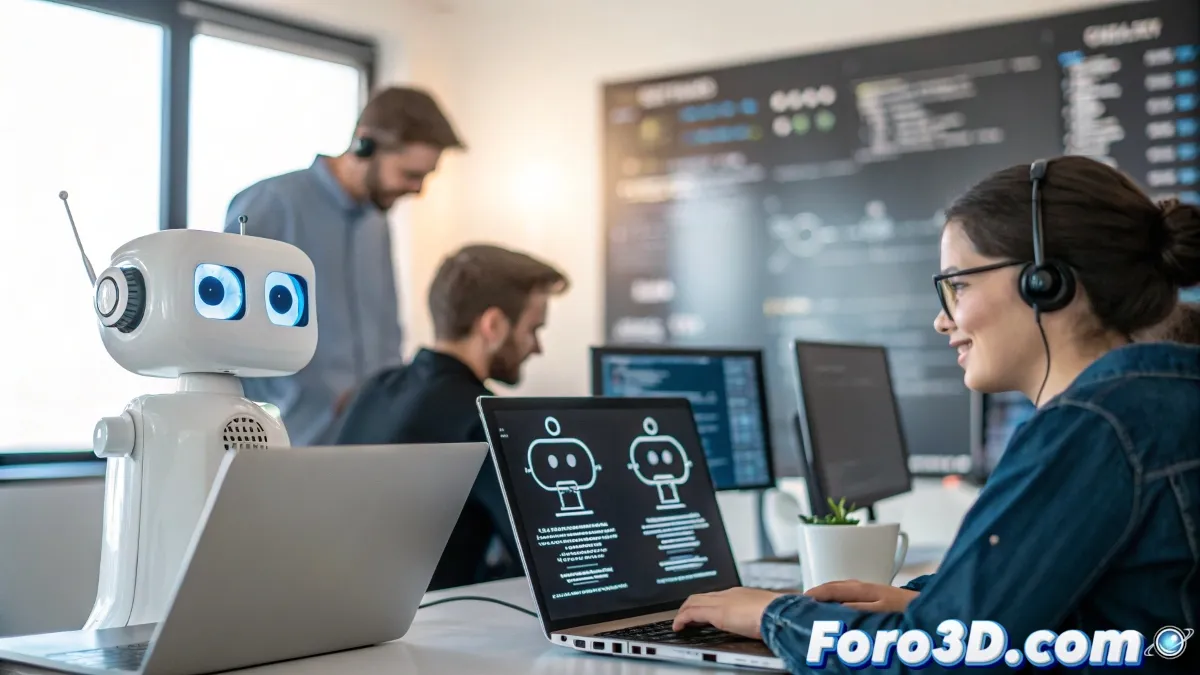
The Development of Virtual Assistants with Personality
In the advancement of artificial intelligence, the creation of virtual assistants with human-like characteristics has become a significant challenge. Technology companies have invested resources in designing models capable of interacting naturally and adapting to user emotions. However, achieving authentic communication remains a challenge.
The Attempt to Endow AI with Personality
A key aspect in the evolution of virtual assistants is the construction of their own identity within the programming framework. To achieve this, developers have defined specific traits that influence how the models respond. While some characteristics, such as empathy and friendliness, are considered essential, others like arrogance or irony must be avoided.
This approach is based on Reinforcement Learning from Human Feedback (RLHF) techniques, a process where experts assign values to different responses to optimize the assistant's interaction. In this way, the system learns to distinguish between appropriate responses and those that do not meet user expectations.
The Challenges in Creating an Adaptable Model
To achieve a more natural experience, some companies have integrated professionals from different fields into the development of virtual assistants. Psychologists, writers, and communication specialists work together to improve how these intelligences respond. The goal is to build a model that not only informs but is also capable of interacting in a dynamic and understandable way.
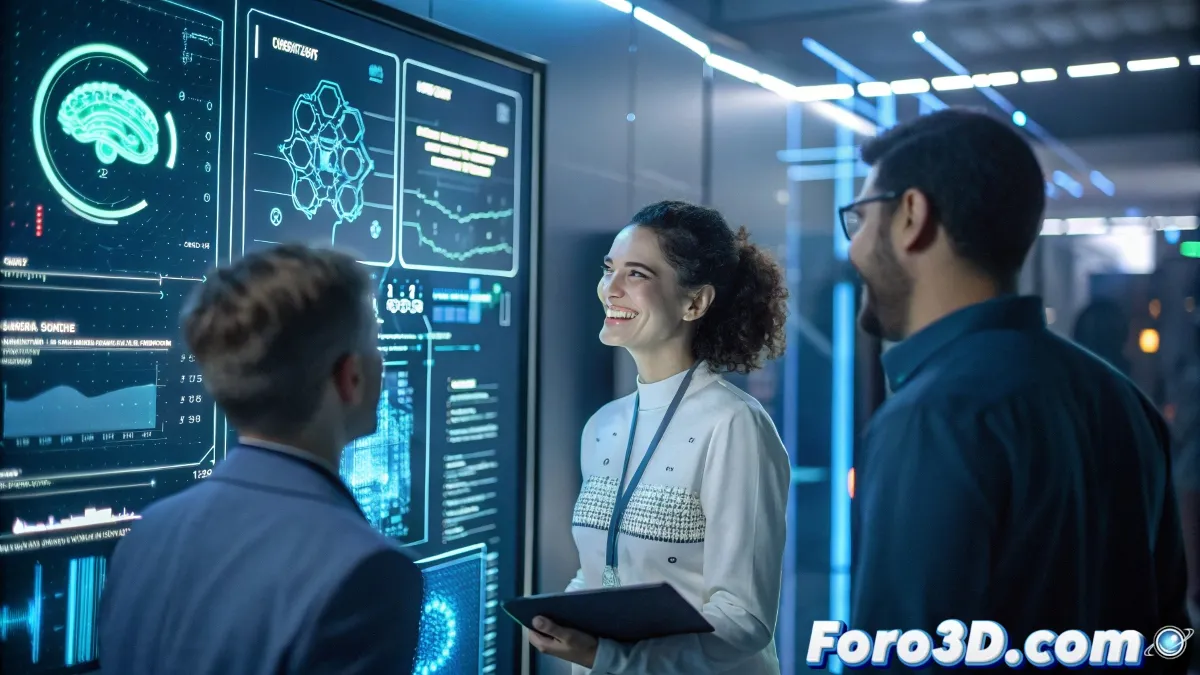
Factors Influencing Interaction
- Tone and Style: The way a response is structured can affect the user's perception.
- Adaptability: The assistant must identify whether the user is seeking advice, information, or simply conversation.
- Information Accuracy: Providing correct data without generating misinformation is fundamental.
- Handling Sensitive Topics: Avoiding biases and responding neutrally to sensitive issues.
An Ongoing Evolution
Despite the progress in personalizing virtual assistants, limitations still exist. The ability to interpret emotions and adjust responses in real-time is still under development. However, models continue to improve through testing and optimization, allowing for a smoother experience closer to human interaction.
“The future of artificial intelligence is not just about answering questions, but about understanding and adapting to the needs of each user.”
The evolution of virtual assistants continues. With new tools and methodologies, artificial intelligence is advancing towards more effective interaction, with the goal of becoming a true support in people's daily lives.