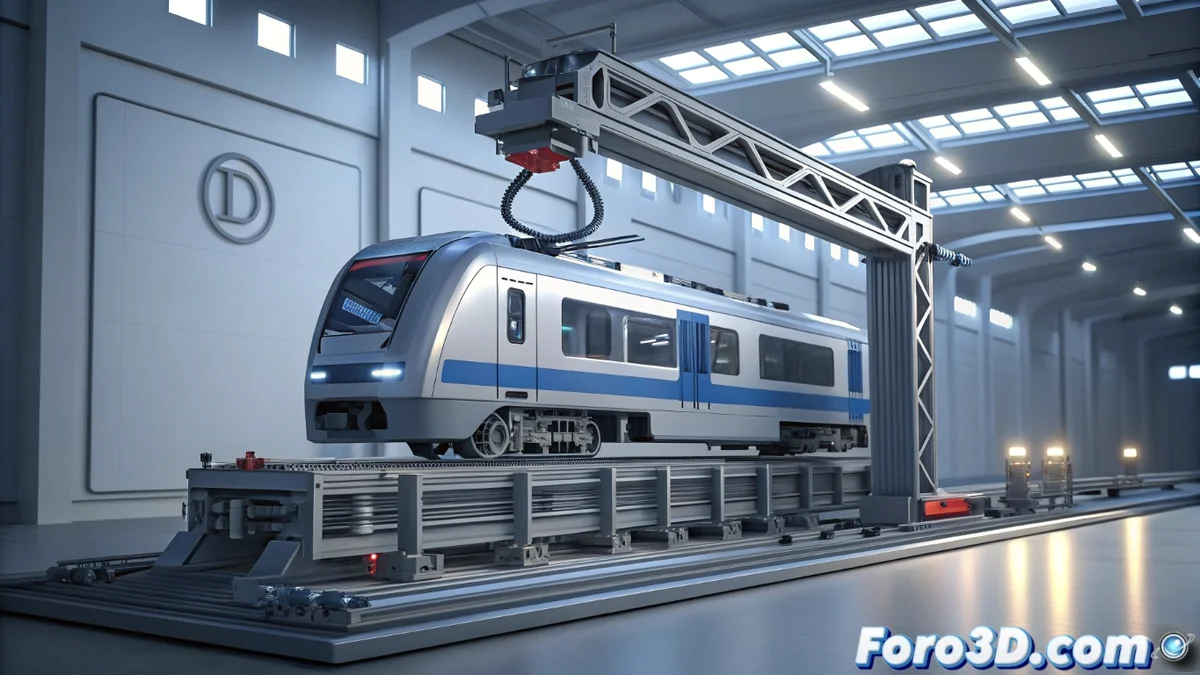
Deutsche Bahn Transforms Its Maintenance with Over 30,000 3D-Printed Parts
The adoption of additive manufacturing is redefining maintenance standards in the transportation sector. The German railway giant Deutsche Bahn has integrated 3D printing into its supply chain, enabling it to agilely produce a portfolio exceeding 30,000 distinct references of components, from internal accessories to critical system parts. This evolution represents a qualitative leap toward resilient operations and logistical sustainability. 🚆
Strategic Advantages of On-Demand Manufacturing
This model based on 3D printing eliminates dependence on extensive and costly traditional inventories. By manufacturing parts only when needed, Deutsche Bahn achieves a radical reduction in delivery times and minimizes expenses associated with storing obsolete or discontinued components. The overall efficiency of the network is enhanced, ensuring trains spend less time in maintenance and more time in service.
Concrete Applications in Daily Operations:- Customization for Specific Cars: Creation of unique parts that are no longer manufactured or that require special adaptations for specific train models.
- Rehabilitation of Worn Components: Quick and effective repair of damaged parts in locomotives and cars, economically extending their useful life.
- Production of Logistics and Comfort Elements: From luggage holders and hooks to complex housings for air conditioning or ventilation systems.
With 3D printing, we have turned the search for forgotten parts into a digital and efficient process, giving our trains an almost instantaneous ability to "self-repair."
Tangible Impact on the Railway Network
The implementation of this technology goes beyond the workshop; it has a direct impact on punctuality and service availability. By responding agilely to breakdowns, greater stability in routes is ensured, especially those with high demand and frequency. The ability to produce locally also reduces the carbon footprint associated with spare parts transportation.
Key Operational Benefits:- Reduction in Downtime: Trains return to active service sooner.
- Warehouse Space Optimization: Physical and financial resources are freed up.
- Greater Flexibility Against Unforeseen Events: The supply chain becomes more robust and adaptable.
The Future of Rail Maintenance
Deutsche Bahn's strategy sets a crucial precedent for the transportation industry. 3D printing is not just a repair tool, but a pillar for smart and decentralized logistics. This modern approach transforms a previously slow and dependent process into an agile system, paving the way for predictive and fully digitalized maintenance in the future of rail. 🔧