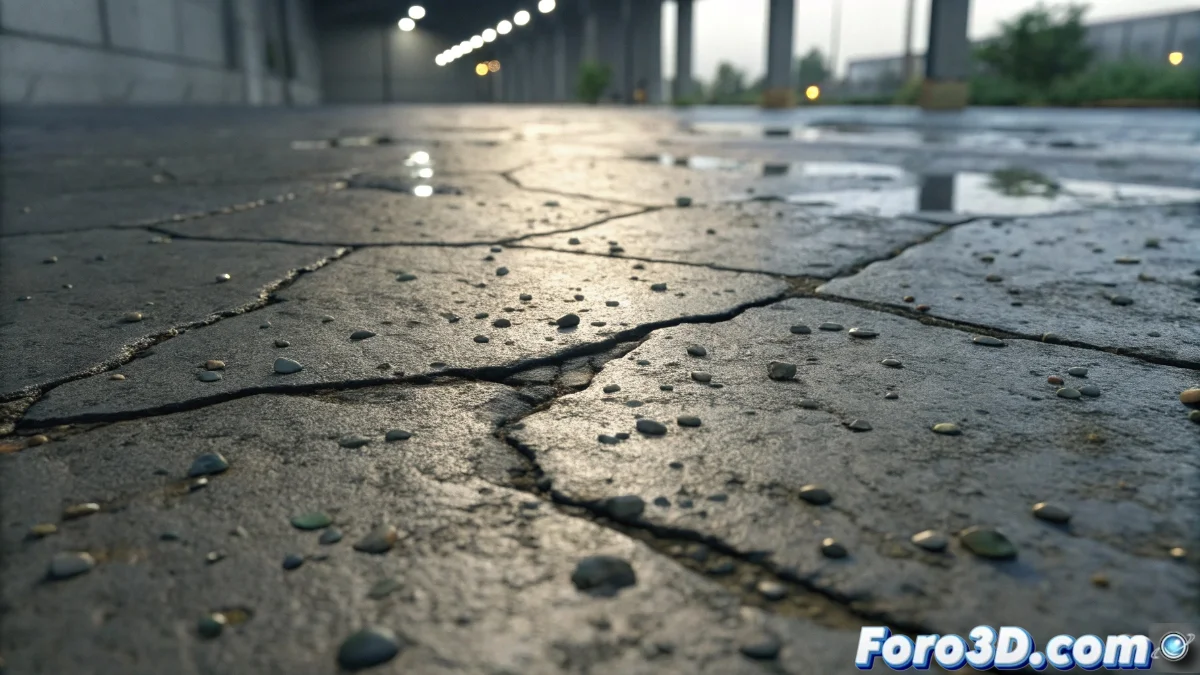
Detail Harvesting: Revolution in Digital Material Creation
Detail harvesting constitutes an innovative methodology that is transforming the production of digital materials, allowing creators to capture and transfer microscopic characteristics from real surfaces to three-dimensional environments. This technique converts imperfections such as cracks, pores, and chromatic variations into usable information for advanced texturing 🎨.
Detail Capture and Processing Methodology
The process begins with specialized photographic sessions where surfaces are documented under controlled lighting conditions, using polarization to eliminate reflections and capture the genuine color. High-resolution images then go through a processing pipeline where specialized software like Substance Sampler, Photoshop, or Nuke decomposes the information into multiple layers.
Processing Phases:- Photographic capture with cross lighting or light domes to record three-dimensional details
- Channel separation using specialized algorithms to generate texture maps
- Asset optimization through baking and compression techniques for real-time use
Visual fidelity is maintained while materials adapt to each project's technical limitations
Applications in Creative Industries
This technology finds direct implementation in sectors where visual realism is determinant, such as video games, film production, and architectural visualization. The captured microdetails allow materials to respond convincingly to different camera angles and lighting conditions 🎬.
Practical Implementations:- Integration into engines like Unreal Engine and Unity through advanced material systems
- Simulation of realistic physical behaviors using shaders that utilize the generated maps
- Enhancement of immersion in film productions through details that the human eye unconsciously expects
Challenges and Practical Considerations
One of the most curious aspects occurs when, after extensive processing sessions, artists discover they have been extracting details from everyday surfaces like desks with crumbs, mistaking them for worn industrial materials. This phenomenon highlights the precision required in the capture phase and the importance of validating reference sources 🔍.