Invisible Interface Design in Video Games
Invisible interface design constitutes a revolutionary approach in the development of interactive experiences, where traditional interface elements completely merge with the narrative universe without interrupting user immersion. This methodology transforms essential information into organic components that respect the internal logic of the created world 🎮.
Diegetic Integration in Virtual Environments
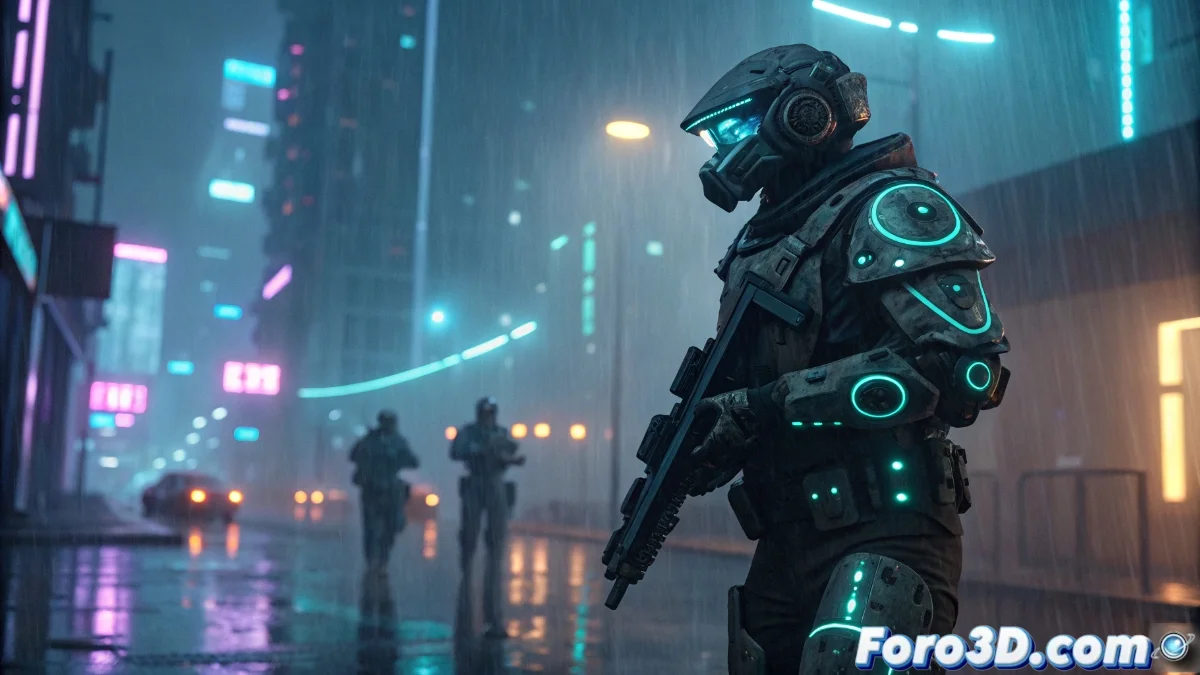
Diegetic integration turns conventional interface elements into active narrative components that keep the fourth wall intact. Developers implement systems where information appears naturally within the game's reality, such as when a character consults their integrated smart device or when health status manifests through visual changes in the character model. Navigation transforms into environmental cues like natural markings, subtle lighting effects, or celestial patterns that guide the player without artificial elements.
Examples of Diegetic Implementation:- Integrated smartwatches that display mission objectives within the narrative
- Health indicators represented as visible wounds or changes in the character's appearance
- Navigation systems using environmental elements like smoke, constellations, or marks on surfaces
The true art of invisible design lies in making the interface disappear while the information remains completely accessible
Implementation Techniques and Creative Challenges
The implementation of invisible interfaces requires advanced techniques ranging from complex shaders to organic particle systems. Developers face the constant challenge of balancing informational clarity with visual discretion, using innovative solutions like contextual spatial sounds, subtle lighting effects, and animations that respond to the game's context. This approach demands close collaboration between multidisciplinary teams to ensure each element fulfills its function without compromising the virtual world's coherence 🔧.
Main Technical Challenges:- Maintaining information readability while camouflaging it within the world's aesthetic
- Developing systems that respond contextually without traditional HUD elements
- Coordinating between artists, designers, and programmers to achieve visual and functional coherence
Balance Between Functionality and Elegance
Invisible interface design represents a perfect balance where each element must justify its presence within the created universe's logic. When this balance is achieved, the player's experience reaches new levels of immersion; when it fails, it can become a frustrating search for hidden information. The elegance of the design lies precisely in making the essential evident without being intrusive, creating experiences where the interface feels like a natural extension of the virtual world 🌟.