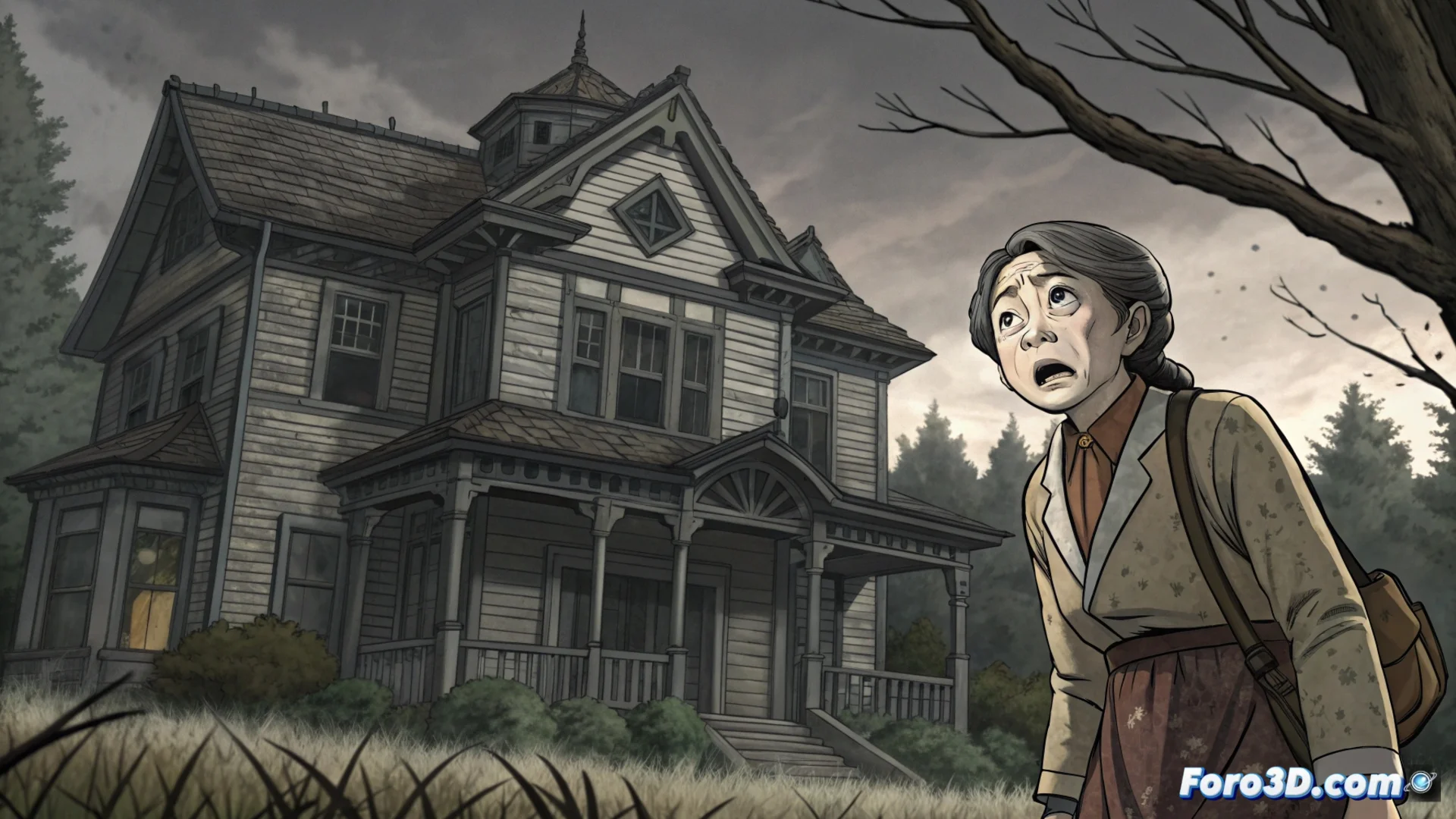
Dementia 21: the workplace nightmares of a caregiver in comic form
In the world of manga, Shintaro Kago unfolds his work Dementia 21, a series that follows the steps of Yukie Sakai. This young woman is dedicated to caring for the elderly in Japan, but her routine visits turn into encounters with the strange and disturbing. Reality blurs in every chapter, delivering a unique mix of visual horror and absurd situations 🌀.
A graphic style that defines the experience
Shintaro Kago applies a technical and clean line, reminiscent of instruction manuals or medical illustration. This formal precision deliberately clashes with the ideas he depicts: bodies that transform, decompose into geometric shapes, or undergo impossible metamorphoses. The author generates a visual shock by presenting chaos with a cold and orderly appearance.
Key features of the art:- Precise and detailed drawing, similar to technical diagrams.
- Extreme contrast between the clear presentation and the grotesque content.
- Distortion of human anatomy in surreal scenes.
Kago uses the contrast between form and content to unsettle the reader.
Narrative built from logical absurdity
The story does not follow a conventional plot. Each episode functions as a self-contained logical nightmare. An everyday situation, like helping to bathe an elderly person, can trigger a spiral of surreal events and unsettling body transformations. Through this format, Kago explores and satirizes aspects of Japanese society, old age, and abusive work dynamics.
Central plot elements:- Independent episodes that present a new surreal case.
- Simple premises that lead to body horror scenarios.
- Social critique wrapped in absurd humor and extreme situations.
A reflection on the everyday
Reading Dementia 21 can make the reader reconsider their work complaints. While Yukie Sakai faces clients who disintegrate into colored cubes, the problems of a common office seem minor. Kago's work serves as a distorting mirror that amplifies the absurdities of modern life and turns them into memorable visual horror. His legacy is a potent mix of ideas that challenge logic and perception 👁️.