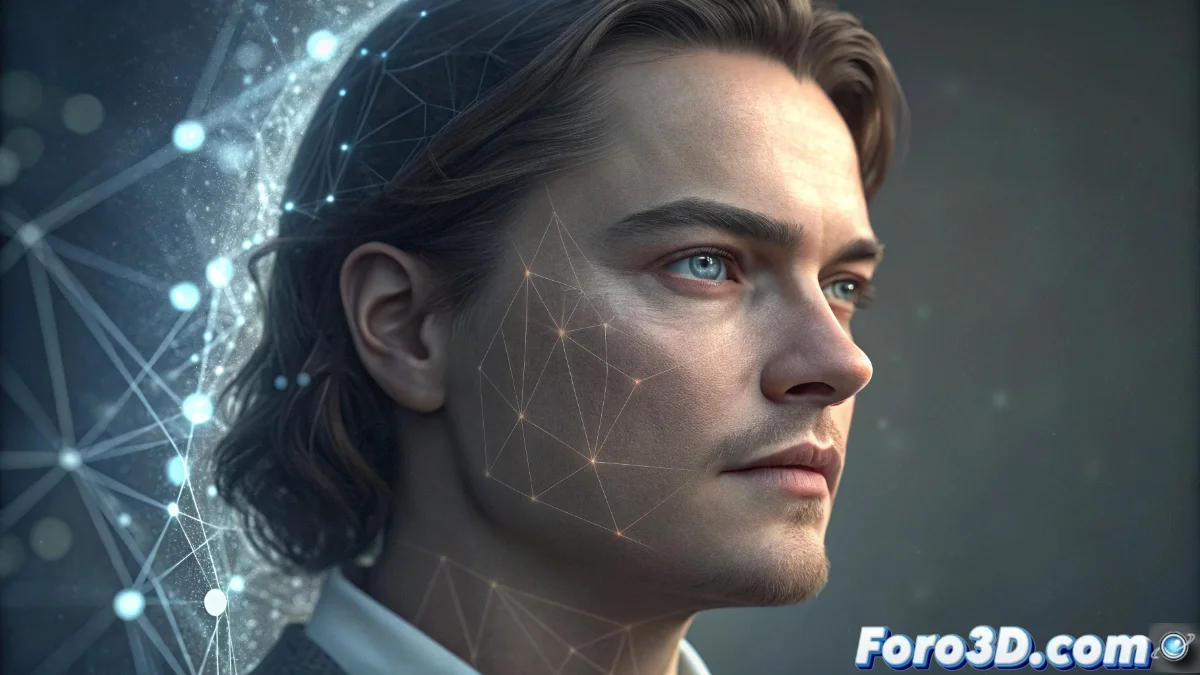
Deepfakes: The Artificial Intelligence Revolution in Audiovisual Content
Deepfake technology represents one of the most impactful developments in the field of artificial intelligence applied to multimedia content. These creations use advanced algorithms to generate fake audiovisual material that is practically indistinguishable from reality, primarily through face swapping and the alteration of facial expressions in pre-existing videos. 🎭
Technical Mechanisms Behind Deepfakes
The process begins with the massive collection of visual material of the target person, which serves as a database for training artificial intelligence models. These systems primarily employ generative adversarial networks, where two neural networks compete against each other: one generates fake content while the other attempts to detect imperfections. This constant competition progressively refines the quality of the final result.
Key Stages in Creating Deepfakes:- Extensive collection of visual data of the target person
- Training machine learning models with large volumes of information
- Analysis and learning of characteristic facial patterns, gestures, and movements
- Superimposition and refinement using deep neural networks
- Intensive computational processing to achieve convincing results
The evolution of deepfakes represents an unprecedented challenge to the authenticity of digital content, where the boundary between reality and fiction progressively blurs.
Practical Applications and Ethical Considerations
While in the entertainment industry these technologies enable impressive achievements such as the rejuvenation of actors or automated facial dubbing, they also open the door to malicious uses. The ability to generate high-quality manipulated content poses serious risks across multiple social and political dimensions.
Positive and Negative Uses of the Technology:- Film production and innovative visual effects
- Creation of fake news and mass disinformation
- Identity impersonation in digital communications
- Generation of defamatory material and reputational damage
- Influence on electoral processes and public opinion
The Future of Digital Authenticity
The growing accessibility of deepfake creation tools makes it imperative to develop more sophisticated detection methods and promote digital education among the general public. The final irony lies in the fact that anyone can become the protagonist of audiovisual productions without real participation, although this instant fame might not be exactly what was expected. 🔍