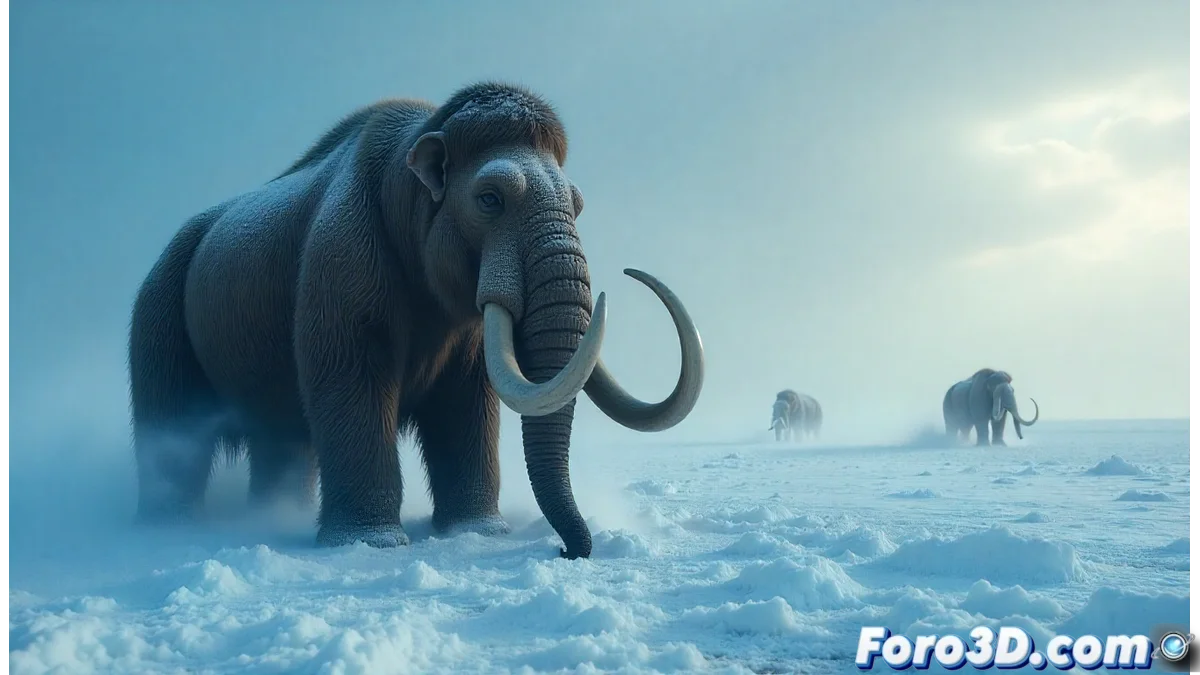
Deciphering the Cellular Secrets of a Woolly Mammoth Through Ancient RNA
An international consortium of researchers has achieved an unprecedented milestone in paleogenetics: the extraction and analysis of intact RNA molecules from a woolly mammoth preserved for millennia in the Siberian permafrost. This scientific feat provides a unique window into the active biological processes moments before the animal's death, offering data impossible to obtain solely through DNA study. 🧬
The RNA Revolution in Molecular Paleontology
While DNA constitutes the complete genetic blueprint of any living being, RNA functions as the active messenger indicating which genes were being expressed at a specific moment. This fundamental distinction allows scientists to differentiate between the mammoth's genetic capabilities and the physiological processes that were actually occurring during its final hours of existence, revealing aspects of its metabolism, immunity, and adaptations to the glacial climate that had remained completely hidden until now.
Key Advantages of Ancient RNA Analysis:- Provides a real-time molecular snapshot of active biological processes
- Reveals immediate physiological responses to environmental stress
- Allows the study of specific gene regulation under extreme conditions
"RNA shows us not only what the mammoth could do, but what it was actually doing in its final moments - it's like having a molecular recording of its last hours of life" - Dr. Elena Voronova, paleogeneticist on the project
Revelations About the Final Struggle for Survival
The transcriptomic analysis demonstrates that the mammoth kept numerous genes related to thermoregulation and cellular defense mechanisms against stress active shortly before dying, indicating an active struggle for survival in extremely adverse environmental conditions. The discovered gene expression patterns reveal specialized physiological adaptations to the Arctic environment and offer clues about its terminal health status, including possible pathogenic infections or nutritional deficiencies that may have precipitated its demise.
Specific Research Findings:- Activation of extreme cold tolerance genes in peripheral tissues
- Elevated expression of oxidative stress response molecules
- Patterns indicative of possible inflammatory or infectious processes
A Genetic Legacy That Transcends Millennia
It is extraordinary to consider that after being frozen in perpetual ice for 40,000 years, this majestic animal provides more detailed information about its existence than many contemporary humans share during entire days on digital platforms. Ancient RNA thus becomes the silent narrator of a biological story that unfolded at the confines of the last Ice Age, allowing us to understand not only how these giants lived, but especially how they faced their final challenges. 🐘❄️