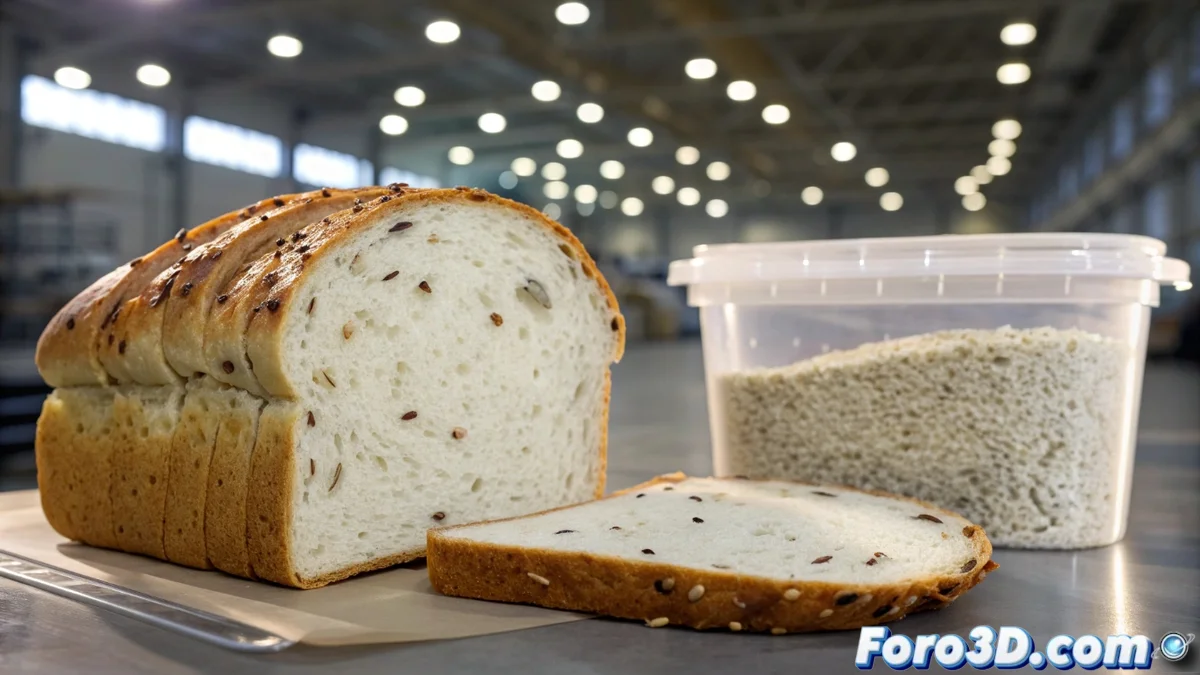
Debunking Healthy Claims in Industrial Breads
In today's world of nutrition, consumers are increasingly seeking nutritious and healthy options. However, the baking industry has developed marketing strategies that use terms like multigrain and sourdough to create a perception of quality that does not always match the reality of the product. 🍞
The Deception Behind the Multigrain Term
Many people automatically associate the word multigrain with whole grain and nutritious products, but the reality is quite different. This designation simply indicates the presence of several types of grains, without guaranteeing that they are whole or that they retain their original nutritional properties.
Common Problems in Multigrain Breads:- Use of refined flours as the main base of the product
- Significant loss of dietary fiber during processing
- Minimal addition of visible seeds to create a healthy appearance
The consumer pays more for what they believe to be a healthy option, when in reality they are buying basically white bread with some decorative additions.
The Commercialization of Sourdough
The concept of sourdough has been adopted by the food industry as another effective commercial claim. What was traditionally a slow and artisanal process has become a marketing strategy that does not always reflect authenticity.
Realities About Industrial Sourdough:- Accelerated fermentations with commercial yeasts
- Minimal proportions of authentic sourdough
- Use of improvers and additives to simulate artisanal characteristics
Final Reflections on Food Marketing
It is evident how the industry has learned to manipulate terms that evoke tradition and naturalness for products that are far from being artisanal. Today it seems sufficient to include some visible seeds or mention sourdough on the packaging to justify higher prices, even though the content retains the same old characteristics with better marketing. Consumers need to develop a critical spirit and read labels carefully to avoid falling into these commercial strategies. 🔍