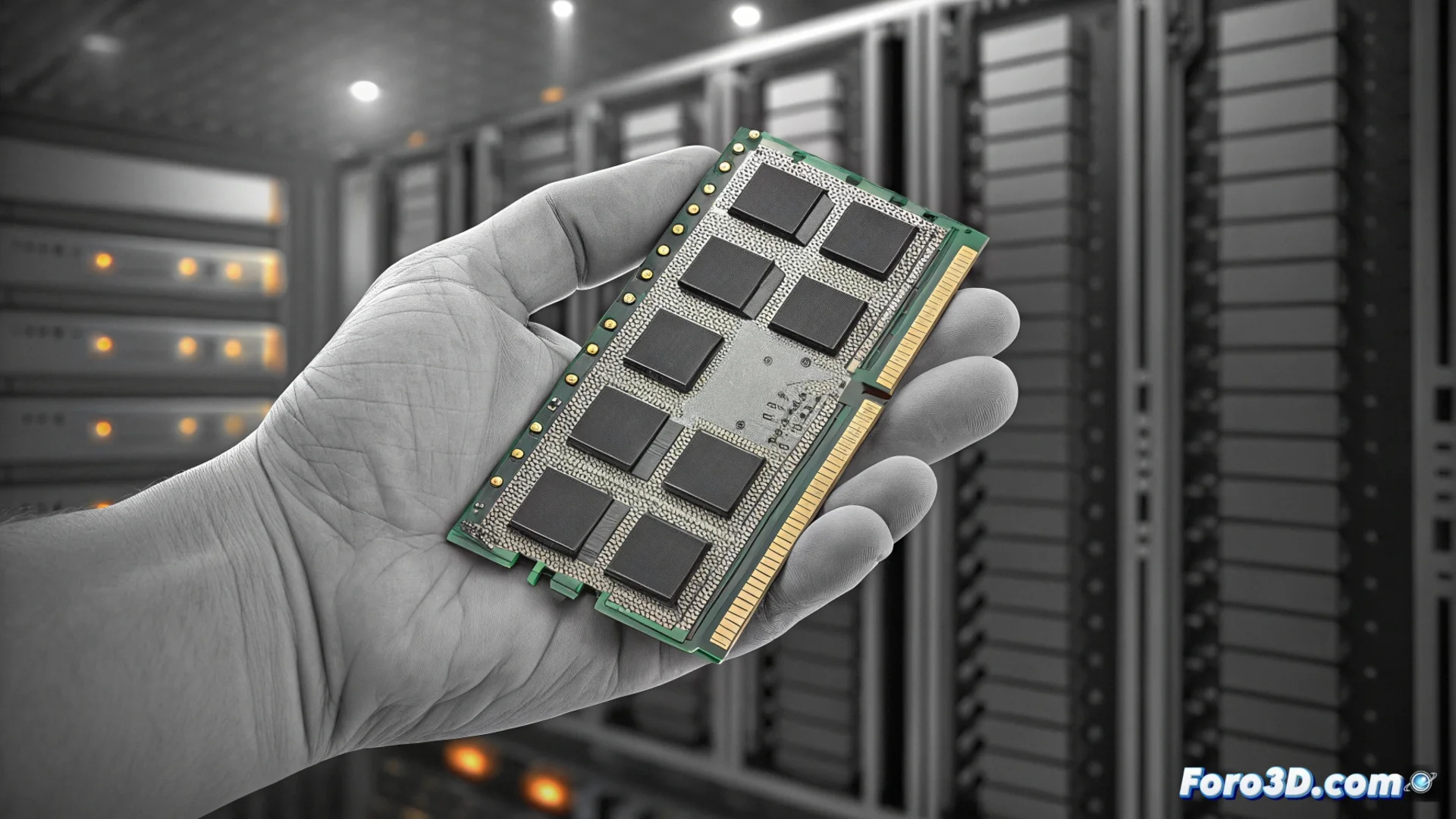
DDR5 Memory Prices Rise More Than DDR4 and AMD Considers Returning to AM4
The RAM memory sector is going through a period of pressure where the costs of DDR5 modules are growing more intensely than those of the previous generation. This phenomenon is mainly due to the high demand for DDR5 in the server sector, where its greater bandwidth and efficiency are determining factors. However, the price of DDR4 is not holding steady either, as factories produce less, which also pushes its value upward. This dual dynamic configures a complex landscape for those planning to build or upgrade their system. 🚀
AMD's Strategy in the Face of Rising Costs
In this scenario of high prices and certain shortages, AMD has confirmed that internally it is considering the option of returning to manufacturing CPUs for the Socket AM4 platform. This more veteran architecture uses DDR4 memory, which, although also increasing in price, could offer a more economical path in a market where DDR5 is becoming expensive quickly. This tactic would offer users a way to upgrade without having to invest in an entire DDR5 platform, which involves changing the motherboard and memory.
Key Factors in AMD's Decision:- DDR5 is more expensive due to strong demand from the server sector.
- Reduced DDR4 production also pressures its prices upward.
- Returning to Socket AM4 would provide a more affordable upgrade alternative.
In consumer computing, the new sometimes hits a wall called budget, and yesterday's solutions can become today's Plan B.
The Industry Adjusts to Market Imbalances
The possible reappearance of CPUs for AM4 by AMD shows how the hardware sector must adapt to fluctuations in the supply chain and mismatches between what is offered and what is demanded. It is not a choice based solely on the technical, but a pragmatic response to a specific situation. While servers hoard a large part of the DDR5 chips, the home user segment seeks options to not have their purchasing possibilities restricted.
Consequences in the Market Transition:- This situation could delay the massive migration to DDR5 that was anticipated.
- The price stabilization process is key for the transition to accelerate.
- The consumer market is actively seeking alternatives to maintain upgrade capacity.
An Uncertain Future for Consumer Memory
The current landscape suggests that the transition to DDR5 as the dominant standard could face a temporary slowdown. The duality of rising prices in both generations of memory, combined with strategies from manufacturers like AMD to offer side exits, redefines market priorities. The accessibility and budget of the end user become decisive factors again, demonstrating that technological innovation sometimes must negotiate with economic reality. 💻