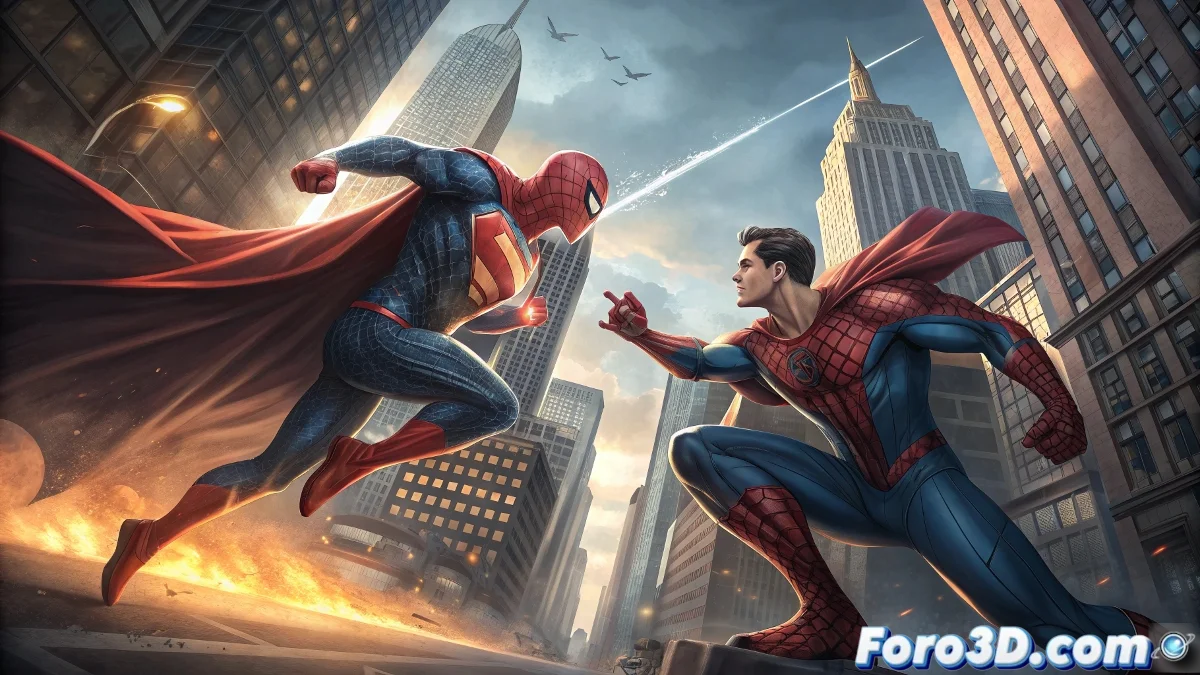
When Comic Book Giants Decide Sharing Sells More Than Competing
In a move that delights fans and defies decades of corporate rivalry, DC and Marvel are extending their crossover collaboration through 2026 with new series that will continue to unite their superhero universes. This unexpected extension demonstrates that, in the era of media conglomerates, even the fiercest competitors can find mutual benefit when it comes to creating experiences fans have been dreaming of since they started collecting comics.
The decision reflects a strategic shift where the publishers recognize that occasional crossovers generate more excitement than they harm their brand identities. While film studios keep their universes separate on screen, the comic divisions have discovered that these intercompany encounters not only don't confuse readers, but they revitalize both publishing lines by attracting collectors from both houses. The result is a rare win-win scenario: companies, creators, and especially fans. 📚
In the comic book world, when Batman and Spider-Man share panels, even the villains make temporary peace
The Ingredients of Prolonged Crossover Success
The extension through 2026 suggests both companies have identified formulas that work without diluting their respective identities.
- Balance of protagonism where neither universe consistently dominates the other
- Respect for continuity without forcing permanent changes to the main storylines
- Focus on iconic characters with proven dynamics that fans enjoy seeing interact
- Self-contained events that don't require following multiple titles to understand
The success of recent collaborations has shown that readers value these stories as official "what if" scenarios, giving them the canonical weight that unofficial versions could never offer.
The Impact on the Comic Book Industry
This extended collaboration could establish a new paradigm for intercompany cooperation in the industry.
- Renewed interest in the physical medium amidst increasing digitalization
- Attraction of new readers curious to see interactions impossible in other media
- Opportunities for creators to work with characters that would normally be out of their reach
- Generation of content that transcends traditional fan loyalties
For comic book stores, these crossovers represent guaranteed sales and opportunities to attract both DC and Marvel collectors under one roof.
The Future of Shared Universes
While cinema keeps these titans separate, comics demonstrate that creative coexistence is possible and profitable. The extension through 2026 suggests confidence in the model.
If the trend continues, we could see even more ambitious crossovers exploring less obvious dynamics between secondary characters or entire teams. What began as occasional special events could evolve into regular programming that fans anticipate with the same eagerness as the major internal events of each company. In the comic book world, the most impossible dreams continue to find their way onto the page. 🦸♂️🦸♀️
And if this collaboration remains successful, we might soon see Deadpool mocking DC's continuity while Harley Quinn steals his chimichangas... although the editors will probably keep those encounters within reasonable limits 😉