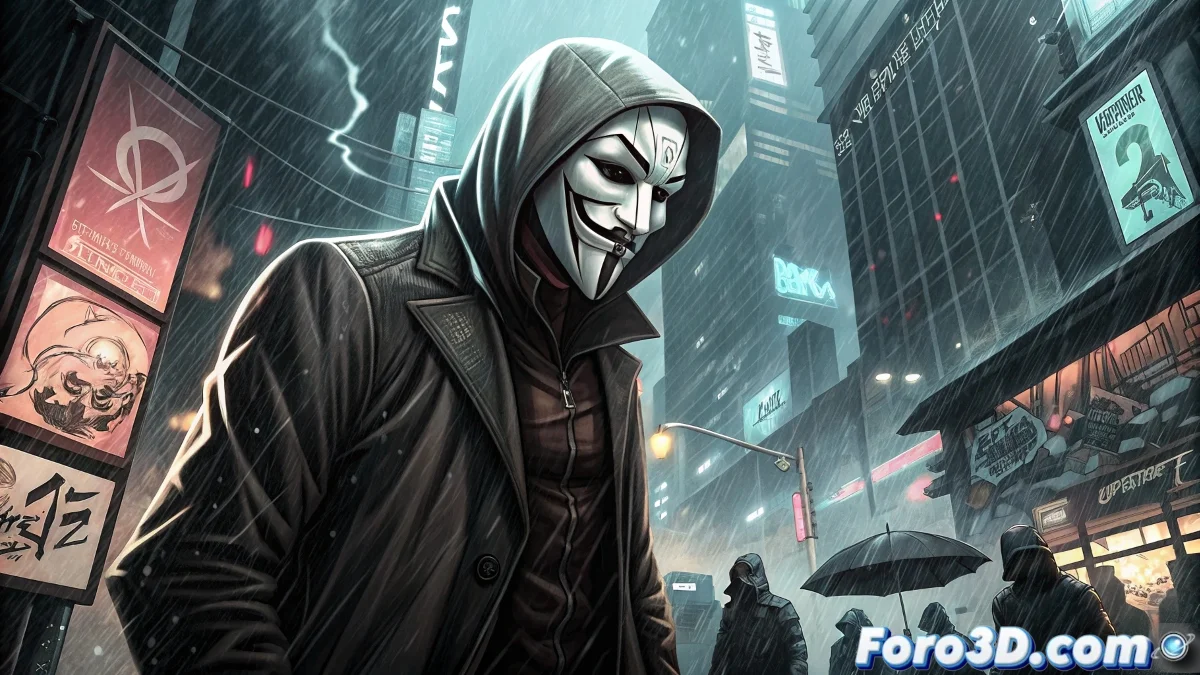
The Return of an Independent Comic Legend
Dark Horse Comics rescues one of the most innovative sagas in American comics from editorial oblivion with the launch of two omnibus volumes of Grendel Tales. This edition not only collects classic material but also includes stories never before compiled, offering both new readers and veteran collectors the opportunity to experience the complete work in its full glory. An editorial rebirth for a series that challenged conventions and expanded the boundaries of the medium.
Exhaustive Content for Purists
The first volume, Grendel Tales Omnibus Volume 1, represents a meticulously curated compendium that includes everything from the short story Devil Worship to complete sagas like Four Devils, One Hell and Devil's Hammer. The inclusion of all the original covers adds an extra layer of value for sequential art appreciators, allowing them to follow the visual evolution of the series through its different creative stages.
Material Collected in the First Volume
- Devil Worship from Grendel #40
- Four Devils, One Hell #1–6 complete
- Devil's Hammer #1–3 complete
- The Devil in Our Midst #1–5 complete
The Legacy of a Visionary Work
Grendel has maintained its cult status thanks to its bold narrative approach and constant willingness to experiment. The recognition from figures like Alan Moore testifies to the impact this series had on the industry, inspiring generations of creators to explore darker and more complex thematic and visual territories in mainstream comics.
Inspiration for Visual Artists
- Study of composition and graphic narrative
- Reference for gothic and dark atmospheres
- Examples of dramatic use of shadows and contrast
- Source of concepts for character design
A demonstration of how classic works can find new relevance when presented to contemporary audiences with modern production tools.
For 3D artists and digital designers, the relaunch of Grendel Tales represents an invaluable opportunity to study visual storytelling techniques that can be transferred to projects in Blender, ZBrush, or other creation software. The mastery in handling light and shadow, so characteristic of the series, offers lessons applicable to rendering and lighting in 3D environments 🎨.
And that's how a series created with traditional methods ends up inspiring digital artists struggling with global illumination sampling and normal maps... because the principles of visual drama transcend technological tools, even though it sometimes takes more work to achieve with renders what a comic artist accomplished with a few strokes of ink 😅.