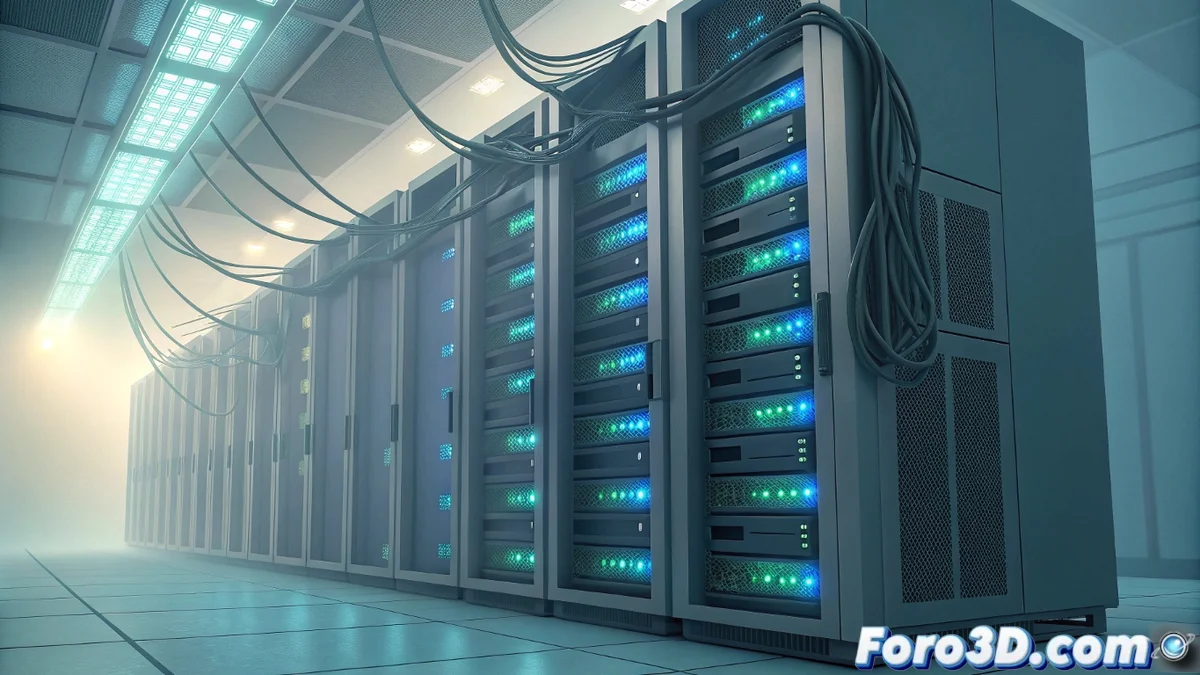
DapuStor Announces R6060 SSDs for Data Centers and Enterprises
The company DapuStor has officially launched its new storage family: the R6060 solid-state drives. This development is specifically aimed at corporate and data center environments that need to process large volumes of information efficiently. 🚀
Focused on the Demands of Artificial Intelligence and Big Data
The R6060 series is born to meet the storage requirements generated by modern technologies such as vector databases, machine learning systems, and large-scale data repositories. DapuStor claims that these SSDs are designed to handle the most demanding workloads of today, where sustained performance and capacity are critical.
Key Features of the R6060 Series:- Designed for corporate infrastructures and data center environments.
- Optimized for analytics applications and artificial intelligence that process massive data.
- Aim to deliver consistent performance under intensive and prolonged workloads.
While some users seek the fastest SSD for their PC, in data centers the conversation revolves around how many petabytes they can host in a rack and how much electricity they consume to keep them cool.
The Legacy of Capacity: the J5060 Series
This new launch builds on DapuStor's previous experience with the J5060 series. Those units already demonstrated the company's capability to manufacture large-capacity SSDs, setting a clear precedent in the high-performance market.
Technical Details of the J5060 Series:- They use the SFF U.2 form factor with a thickness of 15 millimeters.
- They connect via the PCIe 4.0 x4 interface and comply with the NVMe 1.4a standard.
- They include support for dual ports and can store up to 122 terabytes of data.
A Focus on Efficiency and Storage Density
The introduction of the R6060 series reinforces the trend in critical infrastructures: the priority is no longer just raw speed, but how much data can be stored reliably in a reduced space with efficient power consumption. These devices represent a solution for companies that must scale their data operations without compromising system stability. 💾