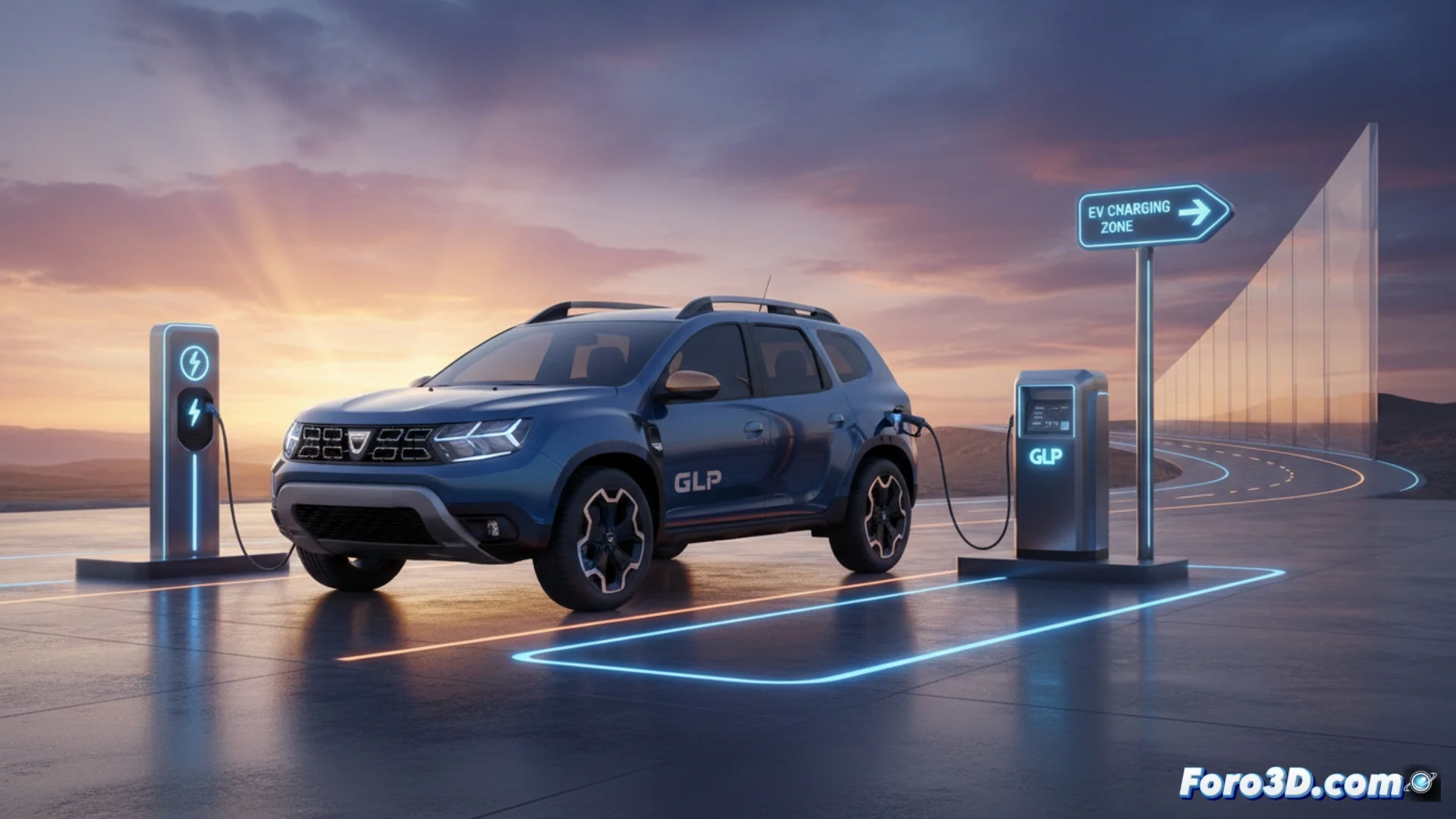
Dacia Sets the End of Liquefied Gas Cars in Europe
The car brand Dacia has officially confirmed that automobiles running on Liquefied Petroleum Gas (LPG) are numbered in the European continent. The company, belonging to the Renault Group, plans to stop marketing these models when 2030 arrives. This decision aligns with the strict community rules that will ban the sale of any vehicle that generates carbon dioxide emissions. 🚗⛽
A Strategy Aligned with European Regulations
The central reason for this change is the total transition that the European Union demands toward electric mobility. Although LPG was presented as a cheaper fuel with a lower environmental impact than traditional gasoline, it does not meet the ultimate goal of zero emissions. Dacia has already begun this path with the Spring, its first 100% electric model, and now prioritizes developing and selling electric and hybrid cars.
Affected Models and Immediate Future:- Popular ranges like the Sandero and the Duster, which currently offer LPG versions, will be directly impacted.
- Until 2030, the brand will keep these cars in the catalog for customers who prefer them, but it will not create new generations with this technology.
- Engineering and marketing efforts are focused on expanding the hybrid offer, such as the Jogger Hybrid, and introducing new affordable electrics.
Dacia's goal is for its entire vehicle range in Europe to be electrified within this decade.
The Path to a Fully Electrified Range
As the deadline approaches, the brand focuses its resources on expanding its portfolio of clean technologies. The goal is clear: progressively replace all combustion engines, including LPG ones, with alternatives that comply with future legislation. 🔌⚡
Broader Consequences of the Decision:- The DGT ECO label, which currently benefits LPG cars, will also see its validity reduced for many vehicles.
- This loss of validity will not only depend on the age of the automobile, but directly on the disappearance of the fuel that made them possible.
- Affordable mobility in Europe will be redefined around electricity and hybrid systems, changing the market for economical cars.
An Inevitable Change in the Sector
Dacia's decision reflects an inevitable transformation in the entire European automotive industry. Stricter regulations and social demand for a cleaner planet drive this shift. For consumers, it means that the offer of new cars with combustion engines, even with alternative fuels like LPG, will be reduced until it disappears, giving way to a new era dominated by the plug and hybridization.