When Automated Systems Decide to Take a Day Off
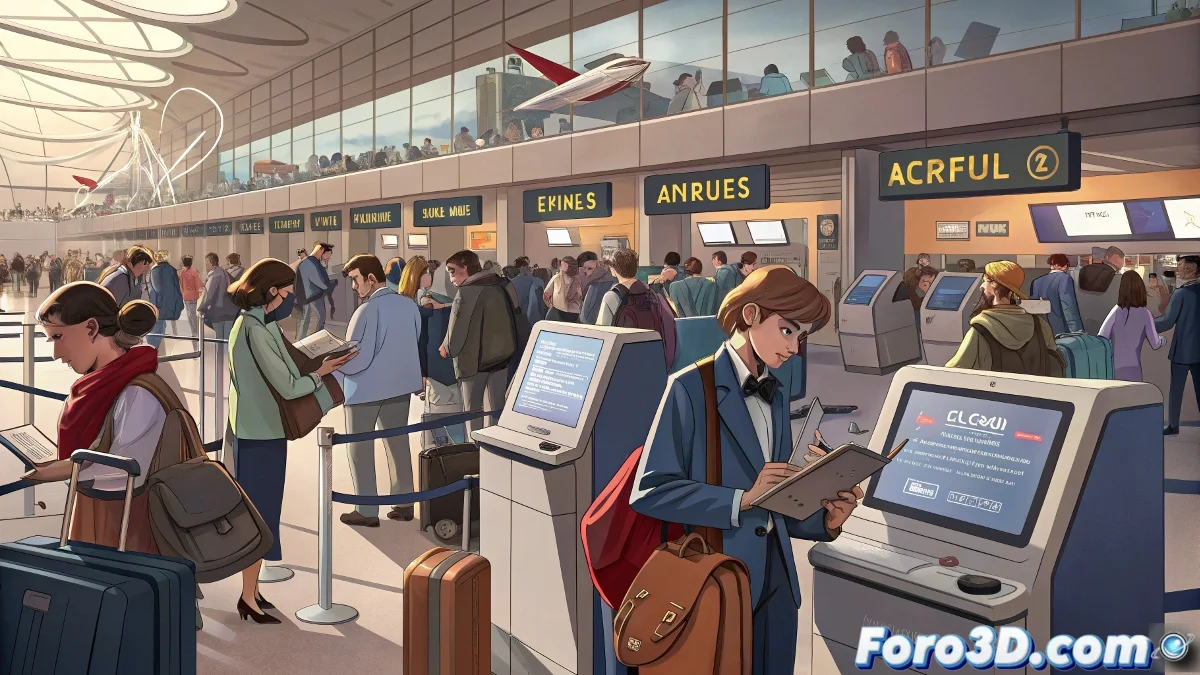
The European aviation sector has faced one of its most complex operational challenges following a massive cyberattack against the automated check-in systems of Collins Aerospace. ✈️ This incident, which affected one of the main providers of automation solutions for airports, has caused widespread delays and cancellations, leaving thousands of passengers stranded and forcing airports to implement manual procedures that had not been used on a massive scale for decades.
The attack, described by experts as sophisticated and targeted, compromised authentication servers and critical databases, disrupting essential communication between check-in systems and airlines. 🖥️ This security breach prevented the correct assignment of seats and the generation of boarding passes, creating a domino effect that affected entire chains of interdependent flights. The situation demonstrated how dependent the aviation industry has become on interconnected automated systems.
A reminder that total automation depends on absolute security, something that still does not exist.
Operational Impact and Emergency Response
The failure of the automated systems forced airports to improvise manual processes on a large scale, exponentially increasing wait times at passenger service counters. ⏰ Scheduled flight cancellations multiplied, creating a cascading effect that affected airports in multiple countries. Collins Aerospace and airport authorities activated emergency protocols that included the temporary disconnection of the compromised systems and the gradual restoration of operations using traditional methods.
The most significant consequences of the attack include:
- Massive delays in scheduled flights
- Increased passenger processing times
- Chain cancellations affecting connecting flights
- Overload of customer service centers
Cybersecurity Lessons for the Future of Aviation
This incident serves as a critical wake-up call for the aviation industry regarding its dependence on interconnected systems. 🔒 Ongoing investigations aim not only to identify those responsible but also to strengthen cybersecurity protocols to prevent future attacks. The need to implement redundant systems, more agile recovery protocols, and better authentication measures has become evident to all players in the sector.
With so many flights delayed, some passengers might have reached their destination before the malware was fully detected and neutralized. 😅 A modern irony that demonstrates how, in our hyperconnected era, sometimes traditional methods can prove more reliable than the most advanced automated systems when they fail.