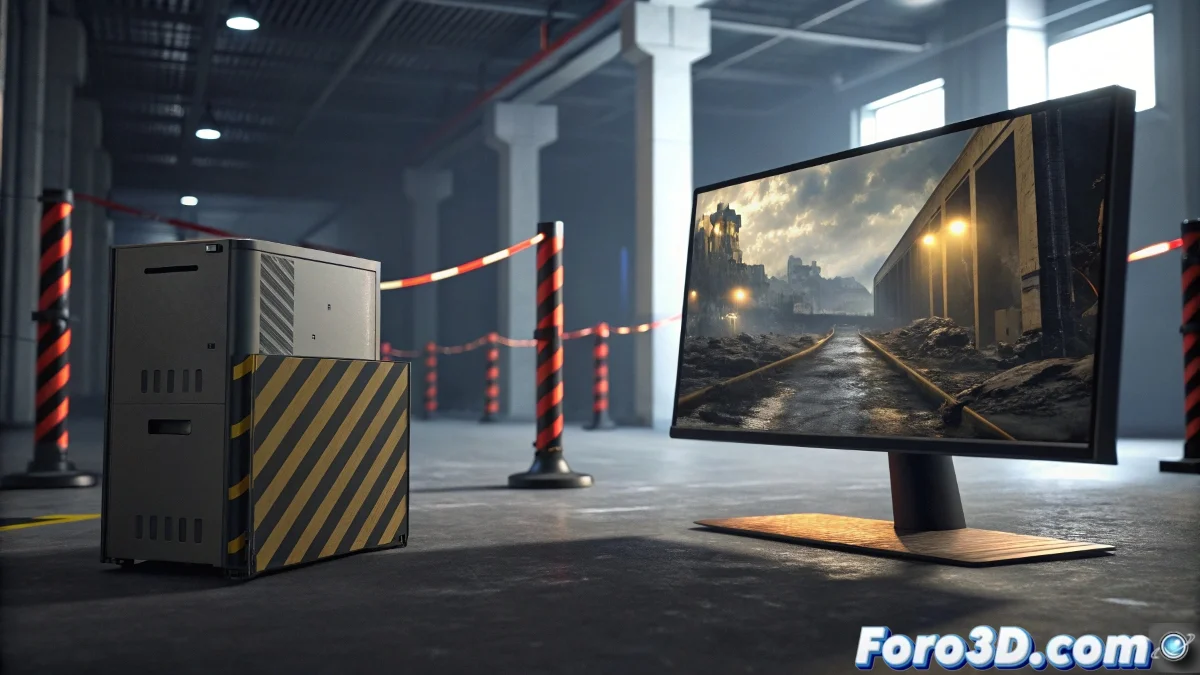
When Trade Barriers Hinder the Digital Revolution
The increase in import costs due to high tariffs is creating a domino effect that could potentially delay the adoption of advanced 3D technologies in import-dependent markets. Animation studios, video game development companies, and audiovisual production houses face a critical dilemma: invest in state-of-the-art equipment at significantly inflated prices or postpone necessary upgrades to remain competitive. This phenomenon particularly affects emerging technologies such as real-time rendering engines, advanced motion capture systems, and professional-grade virtual and augmented reality production solutions.
Most concerning is how these delays affect the global competitive capacity of local creative industries. While studios in countries with lower trade barriers quickly adopt new technologies that optimize workflows and reduce production times, those in markets with high tariffs are forced to work with less efficient tools. This technological gap translates directly into competitive disadvantages for projects competing in the global entertainment and digital content market.
Technologies Specifically Affected by Tariffs
- Workstations with advanced GPUs for rendering and simulation
- Professional virtual reality headsets for previsualization and development
- High-precision facial and body capture systems
- Color reference monitors critical for post-production pipelines
The Hidden Cost of Not Upgrading
While the direct cost of importing is evident on invoices, the real impact goes far beyond the purchase price. Studios that postpone the adoption of advanced rendering engines like Unreal Engine 5 or Unity 6 with all their capabilities end up incurring significant indirect costs: longer render times, lower visual quality in final outputs, and slower iteration processes. In an industry where production speed often determines a project's economic viability, these inefficiencies can be more costly than the import duty itself.
The technology you can't afford today will cost you tomorrow's market
The virtual and augmented reality sector for audiovisual production is particularly vulnerable. These ecosystems depend on specific hardware that often has no local alternatives. The increase in tariffs on headsets like Varjo, HTC Vive Pro, or Pimax directly hinders producers' ability to create competitive immersive content, just as this market is experiencing its greatest growth.
Adaptation Strategies for Affected Studios
- Rental models for specialized hardware instead of direct purchase
- International collaborations that allow access to technology without physical import
- Development of software solutions that optimize existing hardware
- Collective advocacy for tariff exemptions on creative equipment
Some studios are exploring innovative solutions like shared render farms that provide access to advanced processing power without investment in local hardware, or co-production agreements with studios in countries with better technological access. However, these solutions have their own limitations and do not completely replace the need for physical state-of-the-art equipment for certain critical stages of production.
Those who manage to navigate this complex landscape will be the ones who understand that in the digital age, trade barriers do not only affect physical products, but directly impact the ability to innovate and compete in the global content market ⚡