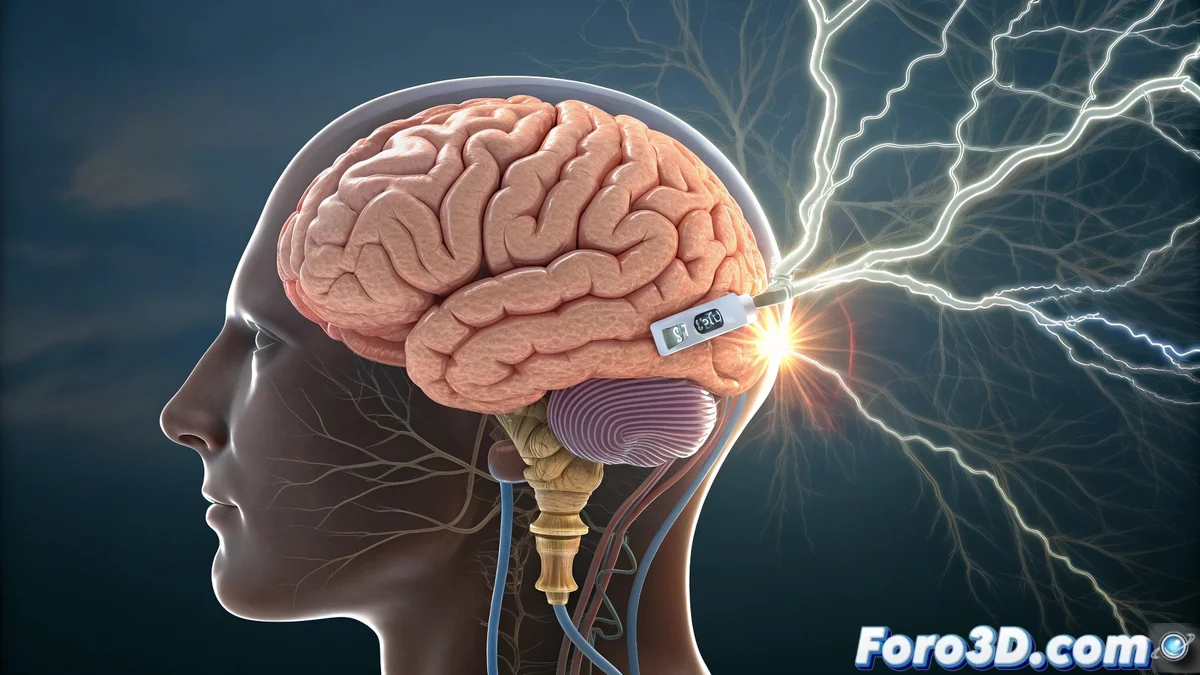
The Intersection Between 3D Modeling and Neuroscience
Researchers have developed a custom brain implant 🧠 that provides prolonged relief to patients with chronic pain. The technology combines biomedical engineering with advanced neuroscience, using 3D modeling to ensure a perfect anatomical fit and maximum therapeutic efficacy. For 3D artists, this advancement represents a fascinating example of how the visualization and simulation of medical devices can radically improve the development of cutting-edge technology.
Precise 3D Design and Simulation
The implant creation process involves sophisticated modeling techniques:
- Custom Modeling: Design based on each patient's individual anatomy
- Interaction Simulation: Analysis of interaction with brain tissues
- Geometric Optimization: Adjustment of shapes to minimize invasiveness
- Material Evaluation: Simulation of biocompatibility and durability
- Surgical Visualization: Insertion and placement animations
- Detailed Renders: Photorealistic representation for planning
Software like Blender, 3ds Max, and Houdini enable these advanced visualizations 🎨.
Impact on Modern Medical Visualization
The integration of 3D techniques transforms medical communication:
- Interdisciplinary Communication: Bridge between doctors, engineers, and patients
- Visual Education: Explanation of complex procedures through animations
- Effects Simulation: Visualization of electrical stimuli distribution
- Surgical Planning: Precise preparation of critical interventions
- Scientific Validation: Accurate representation of brain structures
- Customization: Exact adaptation to each unique neuroanatomy
These capabilities enhance both development and clinical application 💡.
Technical Considerations and Specialized Pipelines
Medical visualization requires specific technical pipelines:
- CAD Integration: Connection with specialized medical design software
- Material Simulation: Physical properties of implants and tissues
- Scientific Rendering: Balance between anatomical precision and visual clarity
- Biological Textures: Realistic representation of brain tissues
- Volumetric Lighting: For internal structures and depth
- Transparency Effects: Visualization through anatomical layers
These elements ensure visually comprehensible and scientifically precise representations ⚙️.
Curious how a small implant can soothe a pain that years of 3D animations failed to relieve off-screen
In the end, this custom brain implant demonstrates how 3D modeling is transcending the creative realm to directly impact human quality of life. While 3D artists continue creating virtual worlds and fantastic characters, it's inspiring to see that these same technical skills can be applied to alleviate real suffering... though probably no render will be as satisfying as seeing a patient regain their well-being 😅.