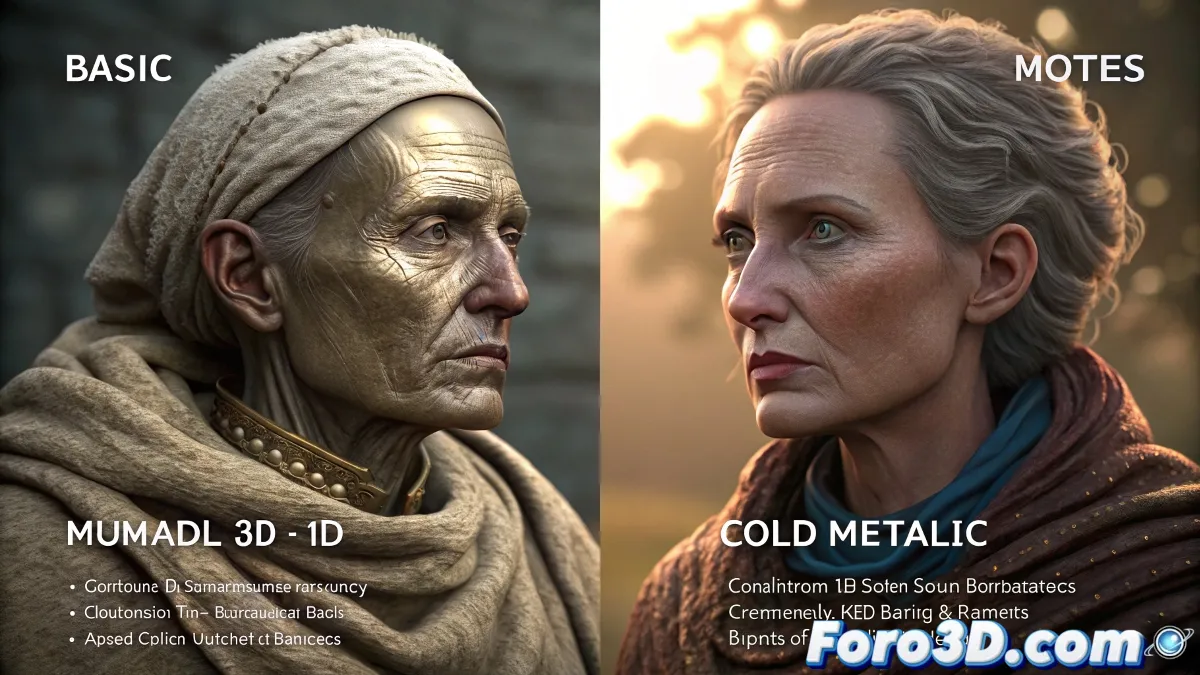
Current Frontiers of Artificial Intelligence in Three-Dimensional Modeling
The development of artificial intelligence-based tools has revolutionized numerous aspects of digital design, but their application in professional 3D modeling presents structural limitations. While these technologies accelerate technical processes, they encounter significant barriers when it comes to emulating the complete creative process of an experienced digital artist.
Fundamental Barriers in AI-Assisted Creation
Four main limitations hinder the creative potential of AI in 3D modeling:
- Contextual Understanding: Inability to capture narrative or emotional nuances
- Detail Hierarchy: Difficulty prioritizing visual elements strategically
- Adaptability: Rigidity in iterative refinement processes
- Spatial Relationships: Limitations in understanding dynamics between objects
"AI can imitate forms, but it cannot replicate the intention behind each curve and vertex"
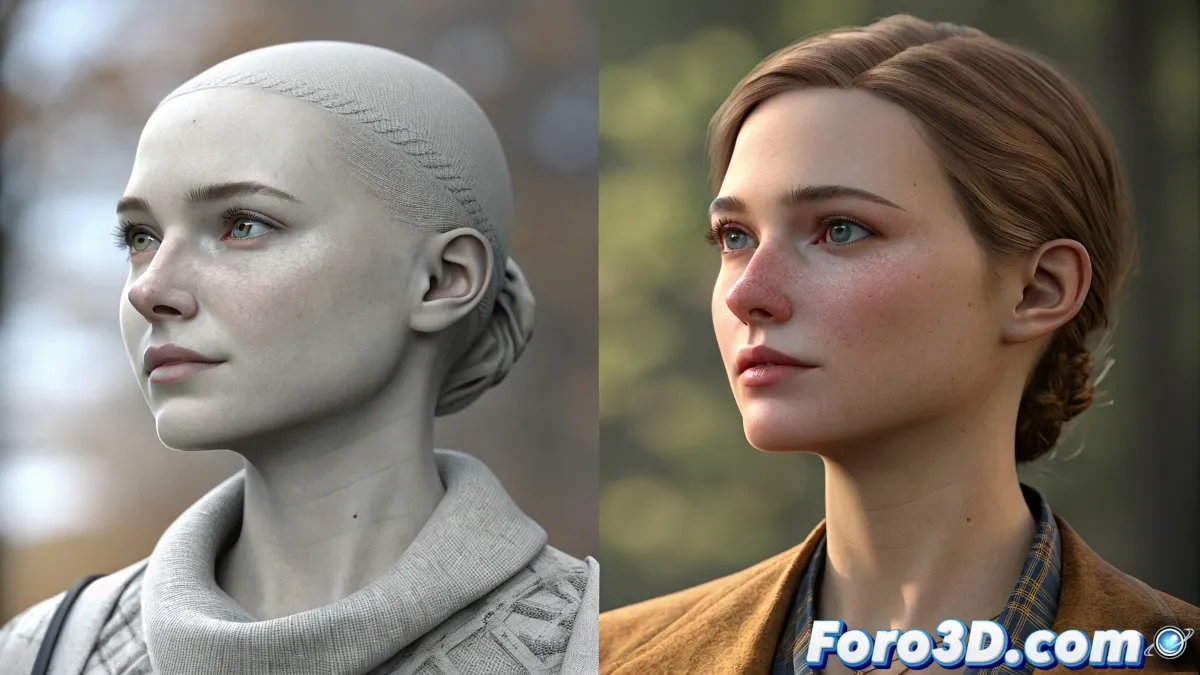
Areas Where Human Judgment Remains Indispensable
Professional 3D artists bring capabilities that transcend mere model generation:
- Aesthetic decision-making based on experience and context
- Ability to break conventions with creative purpose
- Holistic understanding of complex production pipelines
- Skill in anticipating animation and rendering needs
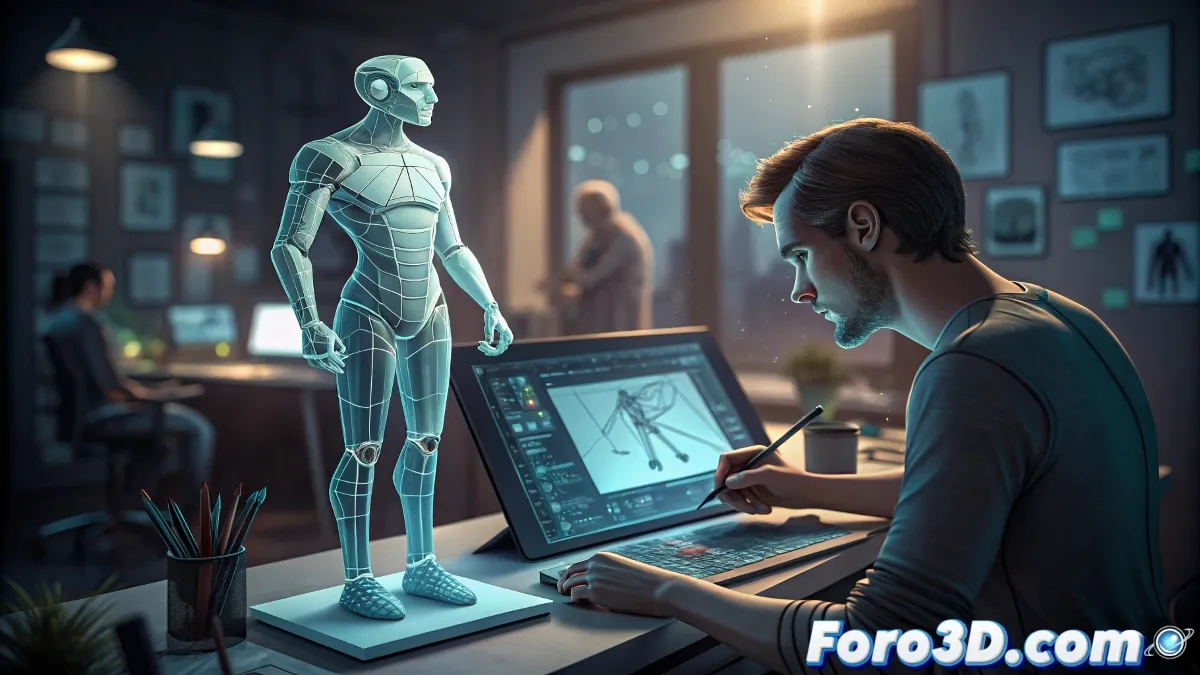
The Future of Human-AI Collaboration
Far from being competing technologies, AI and human talent are destined to complement each other. Intelligent tools show greater potential as assistants that optimize repetitive tasks, allowing artists to focus on higher-value creative aspects. The current challenge lies in developing interfaces that leverage the strengths of both approaches without sacrificing final artistic quality.
This technological symbiosis promises a future where modelers can dedicate more time to aesthetic innovation and less to routine technical processes, as long as human judgment remains the fundamental guide of the creative process.