Creativity Acts as Medicine for Body and Mind
Engaging in creative tasks triggers positive biological responses in the body. By painting, writing, or playing music, the brain releases dopamine, a neurotransmitter that generates a sense of reward. This lowers cortisol levels, the main stress hormone, calming the nervous system. Focusing on a creative project acts as active meditation, providing mental rest that can sharpen problem-solving skills 🧠.
Art to Process What We Feel
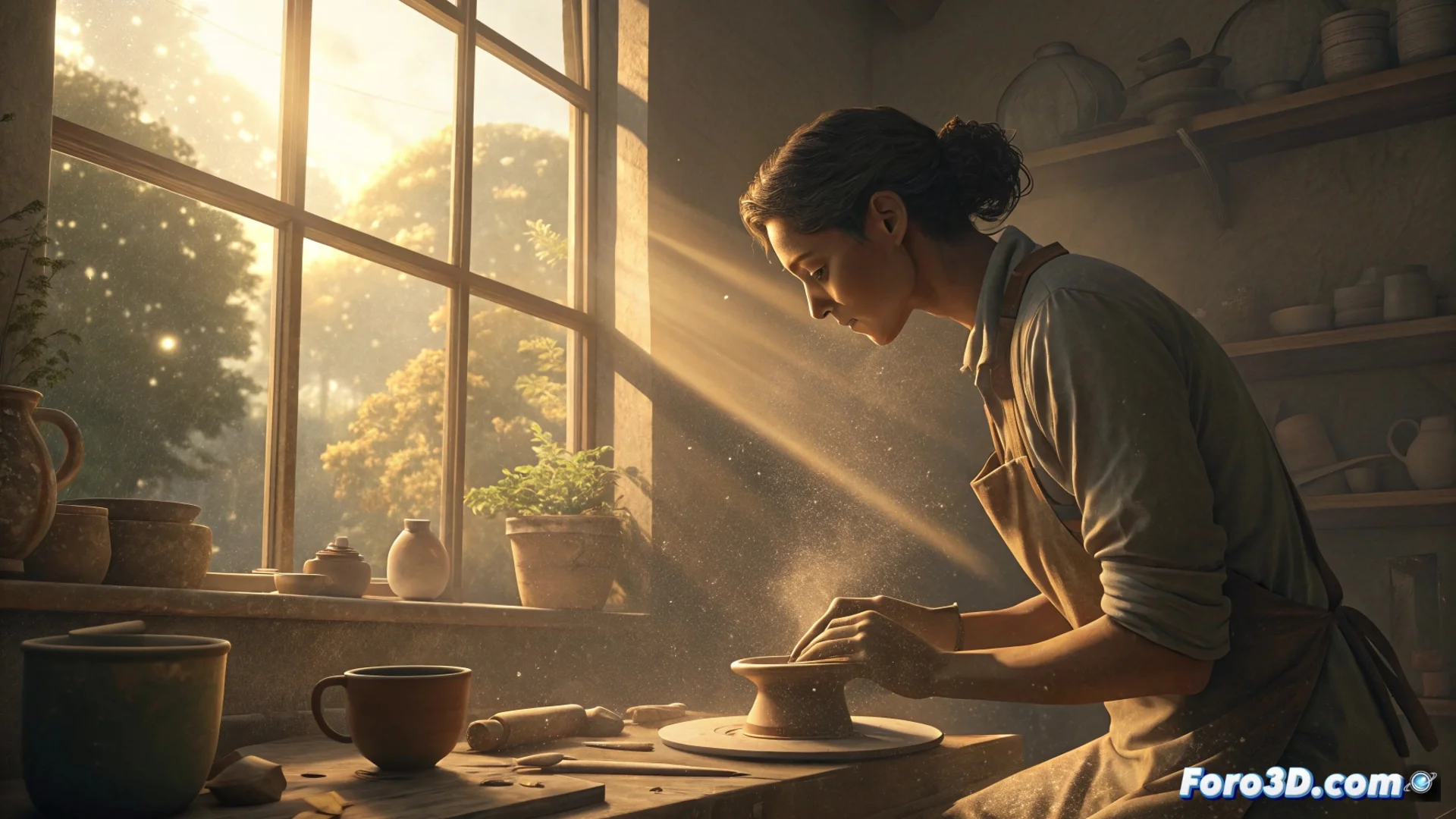
Expressing oneself creatively opens a safe channel for managing complex emotions. Activities like molding clay, keeping a personal journal, or improvising with sounds allow exploring and shaping feelings that are sometimes hard to put into words. This act of externalizing helps understand internal states and reduce anxiety. The goal is not to produce a masterpiece, but to use the process as an alternative language to communicate, which lightens the emotional load and brings clarity.
Ways Creative Expression Helps:- Offers a non-verbal avenue for externalizing intense or confusing emotions.
- Helps organize thoughts and feelings through a tangible medium.
- Reduces internal pressure by eliminating the expectation of a perfect result.
Your immune system doesn't judge your technique; it just appreciates the break from stress.
Including Creative Moments in Daily Life
You don't need to be a professional artist to reap these benefits. Integrating brief doses of creativity into the routine is enough and effective. It could be doodling in a notebook during a break, trying a new cooking recipe, reorganizing a space, or simply observing the surroundings attentively to discover patterns. The key lies in doing the activity for the pleasure of doing it, without judging the result, allowing the mind to enter a different flow of thought than usual.
Examples of Micro-Creative Activities:- Doodling or drawing freely in a notebook.
- Experimenting by combining ingredients while cooking.
- Changing the arrangement of objects in an environment to create a new perspective.
An Accessible Habit for Everyone
The most common barrier is believing you lack talent. However, the therapeutic value lies in the process, not the final product. Dedicating regular time to any form of creative expression, no matter how small, builds mental resilience, provides a healthy escape from chronic stress, and strengthens overall well-being. It is a powerful and democratic resource for caring for physical and emotional health 🎨.