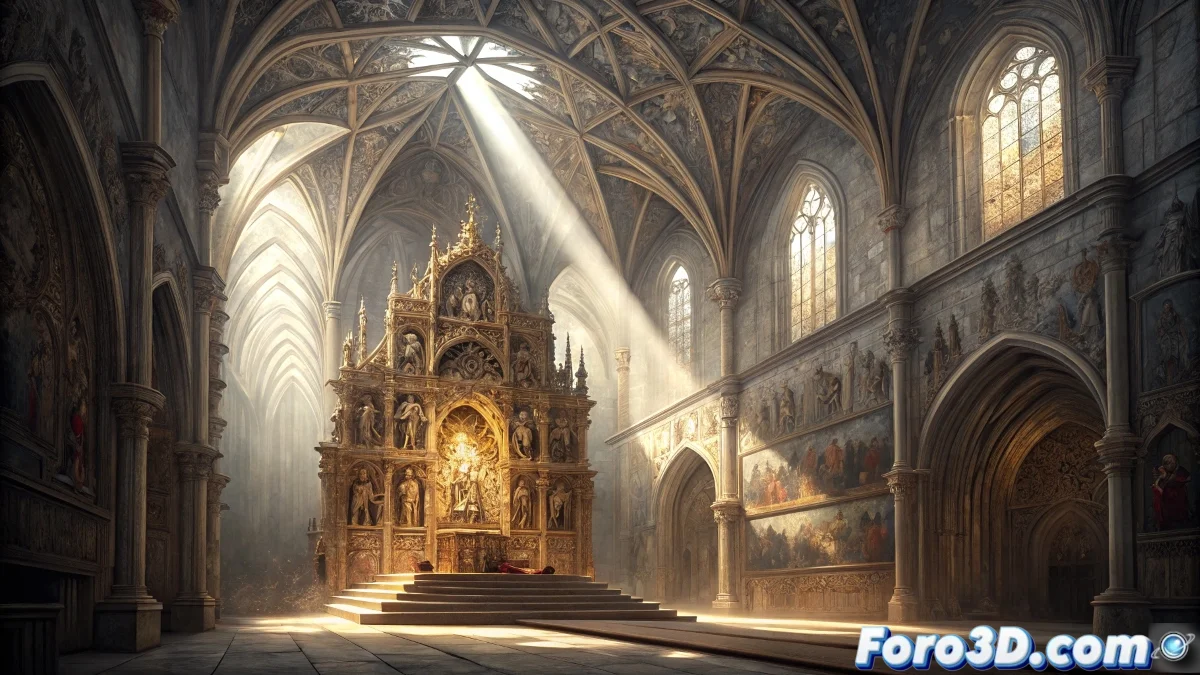
The Monastery of El Paular is not just a historical monument, but an inexhaustible source of visual inspiration. Its unique combination of Gothic architecture, masterpieces of religious art, and supernatural legends make it the perfect subject for an editing project in Adobe Premiere. 🎬
Recreating its atmosphere on video requires more than simple images: it demands an understanding of how to convey six centuries of history, monastic secrets, and that famous ghost that, according to many, still paints in the half-light. The key lies in subtlety and respect for the heritage.
Where documented history ends, the editor's work begins.
Preparing the Project: Beyond the Files
Before importing the first clip, it is crucial to define the visual narrative. Will it be a historical documentary or a supernatural thriller? The decision will affect every subsequent choice, from the color palette to the soundtrack.
Essential elements to capture the essence of the place:
- moving images of the Gothic cloister 🏰
- close-ups of the paintings by Vicente Carducho
- shots of the stained glass and the alabaster altarpiece
- sequences that suggest a ghostly presence
Techniques to Suggest the Supernatural
The legend of the painter monk offers excellent creative opportunities. Variable opacity effects can simulate an invisible brush at work, while distortions of light and shadow create the illusion of movement where there is none.
Technical resources for mystery:
- adjustment layers with soft light blend mode
- controlled motion blur effects
- opacity animations in specific areas
- overlays of old paint textures
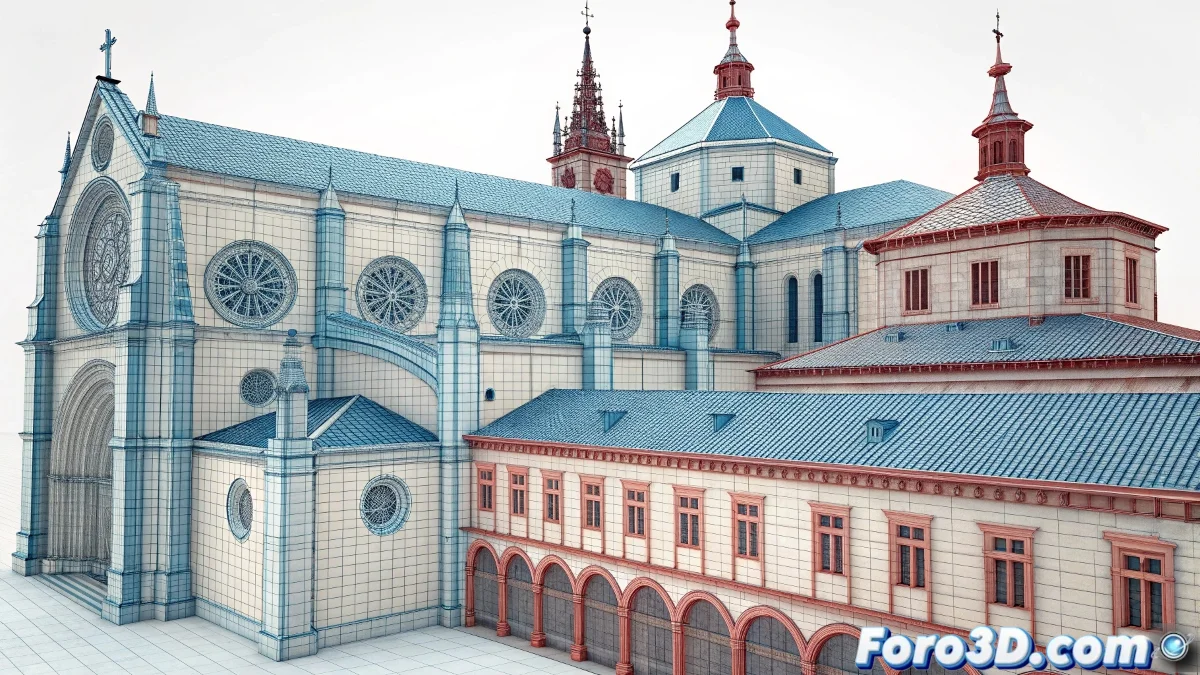
The Invisible Power of Ambient Sound
The soundtrack is as important as the image in these projects. Sounds of distant footsteps, unintelligible whispers, and the creaking of old wood can multiply the feeling of spiritual presence without the need for exaggerated visual effects.
For the musical score, I recommend:
- Gregorian chants at a very low volume
- ambient sounds of cavernous spaces
- strategic use of echo and reverb effects
- dramatic silences at key moments
Color Grading that Evokes the Passage of Time
The color treatment should suggest antiquity without falling into clichés. Instead of simply applying a sepia filter, work with RGB curves selectively, preserving the original tones of the alabaster and the pigments in the paintings.
And so, between transitions and adjustment layers, we discover that the best way to honor a historical place is not just to show it, but to evoke what makes it unique: those stories that inhabit the boundary between documentation and legend. Because sometimes, the perfect edit is the one that leaves room for the viewer's imagination. 👻