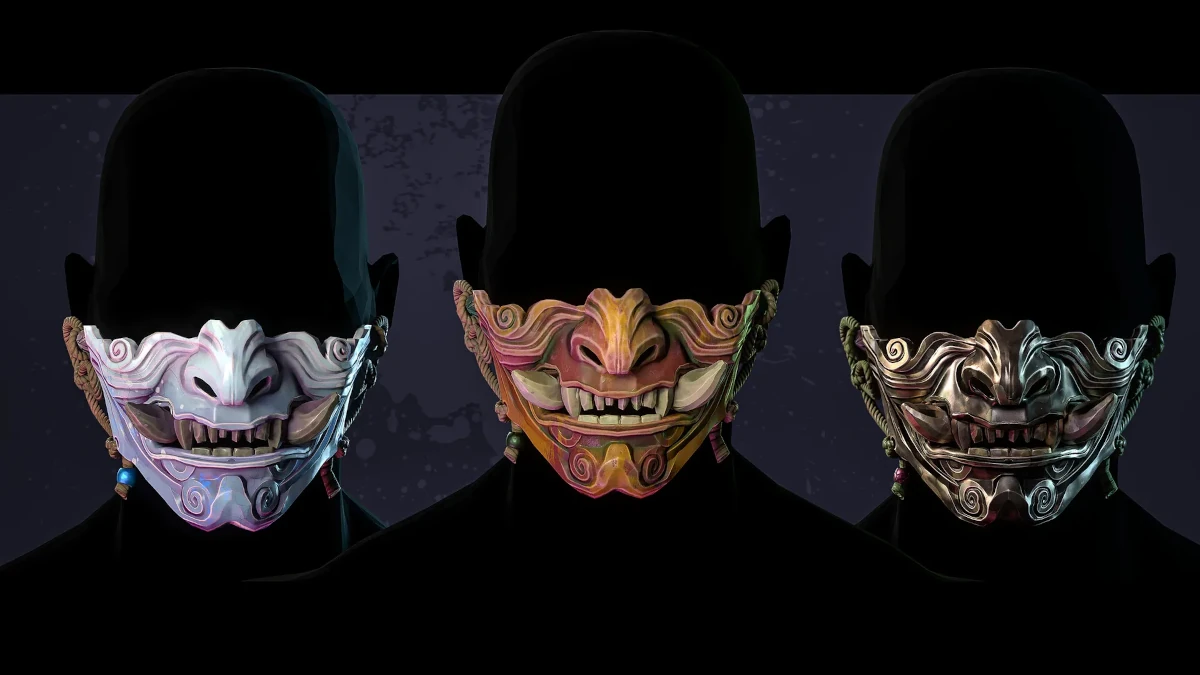
3D modeling allows bringing historical and cultural elements to life with a surprising level of realism. A clear example is the creation of a samurai mask, an accessory that evokes mysticism, power, and tradition. Using advanced tools like ZBrush, Maya, and Substance 3D Painter, it's possible to sculpt every detail and achieve a stunning finish.
The Creative Process Behind the Design
Inspiration plays a crucial role in any artistic project. When modeling a samurai mask, it's essential to understand its meaning and visual impact. It's not just about replicating its shape, but about capturing its strength and presence. To achieve this, historical references are combined with a touch of modern creativity.
Selection of Visual References
Before starting to model, it's important to gather reference images. This helps in understanding the shapes, textures, and characteristic details of this type of accessory. Artists typically use various sources:
- Traditional masks: used by samurai in ancient times.
- Modern interpretations: adaptations in video games and movies.
- Mythological elements: inspired by demons and spirits from Japanese folklore.
Sculpting and 3D Modeling
To shape the mask, one starts with a simple base in ZBrush. From there, proportions are adjusted and facial features are added, such as pronounced eyebrows and an aggressive expression. The volume extraction technique facilitates the creation of the initial structure, allowing each detail to be sculpted with precision.
Retopology and Optimization
Once the sculpture is finished, it's necessary to improve the mesh to facilitate its use in video games or animations. Retopology helps reduce the polygon count without losing essential details. For this, specialized tools are used that allow the model's surface to be reconstructed efficiently.
Application of Textures and Materials
The next step is to give the mask a realistic appearance through the application of textures and materials. With Substance 3D Painter, metallic surfaces, wear effects, and color variations can be simulated. This makes the mask look authentic, as if it had been used in numerous battles.
"The success of a 3D model lies in the combination of technique, creativity, and attention to detail."
A Model with History and Personality
Creating a samurai mask in 3D is not just a technical exercise, but an opportunity to explore the cultural richness of an iconic object. Thanks to technology and artistic talent, it's possible to bring to life pieces that capture the essence of the past and project it into the digital world.