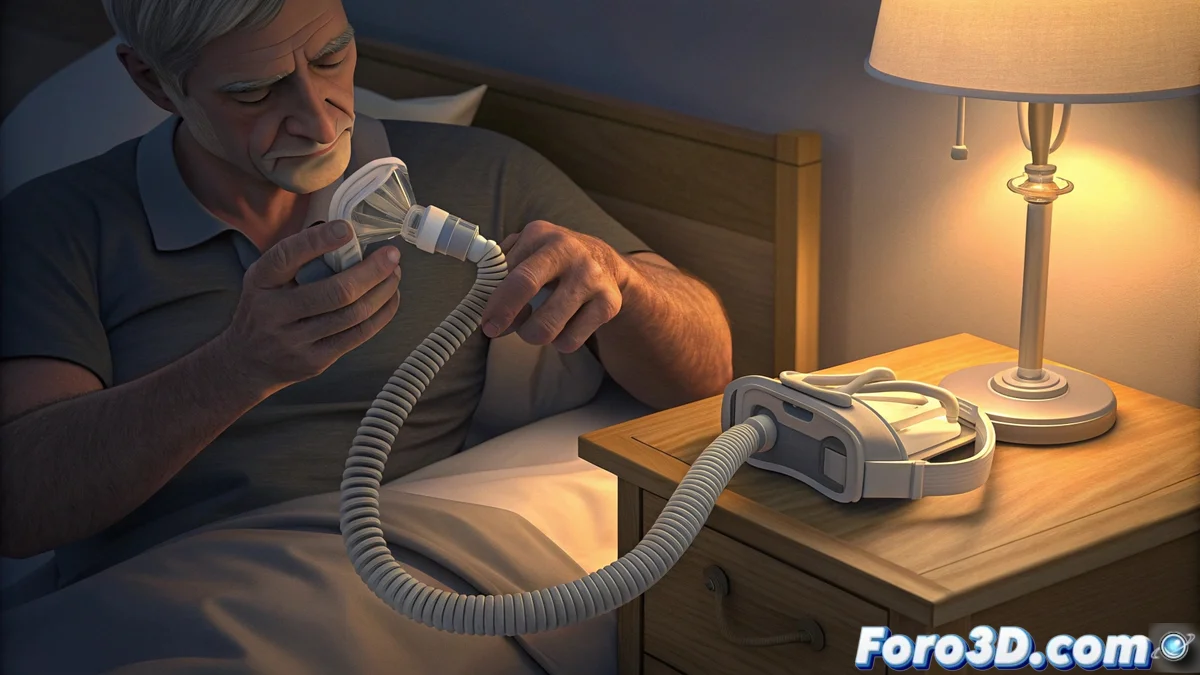
CPAP Manufacturers Change Connectors to Sell More Accessories
Those who use CPAP machines to treat sleep apnea face a recurring problem: manufacturers alter the design of the connectors. This directly affects masks, tubes, and water reservoirs. When a patient upgrades their main device, they often discover that their previous accessories, which still work perfectly, no longer fit. The result is a mandatory purchase of a complete new kit, generating unexpected expenses and avoidable waste. 😠
A Strategy That Limits the User
This dynamic is similar to applying planned obsolescence to peripheral components. By modifying connection standards, brands ensure a constant flow of sales of consumables specific to each new model. The user loses the ability to choose or keep accessories from other brands or previous generations. Their option is restricted to the manufacturer's closed ecosystem, consolidating a captive market where competition and reuse are blocked.
Direct consequences of this practice:- Recurrent economic expense: The patient must budget not only for the new machine, but also for all its complements, increasing the long-term cost.
- Generating electronic waste: Fully functional products are discarded, increasing the waste footprint and harming the environment.
- Loss of autonomy: The freedom to repair, reuse, or mix components from different sources disappears, leaving the user in the hands of the manufacturer.
Changing connectors creates obsolescence where there is none, forcing the user into a constant consumption cycle.
The Movement Seeking to Change the Rules
Some patient associations and advocates of the right to repair have begun to highlight this issue. Their goal is clear: they advocate for regulating or standardizing connectors to ensure interoperability between models and brands. This would promote sustainability and a more circular economy, where accessories last as long as their real useful life allows, not what the connector design decides.
Solutions proposed by the collectives:- Demand that regulators impose universal standards for CPAP connectors.
- Promote interoperability between brands, allowing users to choose accessories from different manufacturers.
- Foster a culture of repair and reuse, extending product life and reducing waste.
A Future with More Options for the Patient
The next time your new CPAP machine arrives, you'll likely also need to welcome its complete family of new accessories. The old ones, though perfect, will be left out. The pressure to standardize connections is the only way to break this cycle, returning the power of choice to the user and reducing the environmental impact of an industry essential for health. 🔧