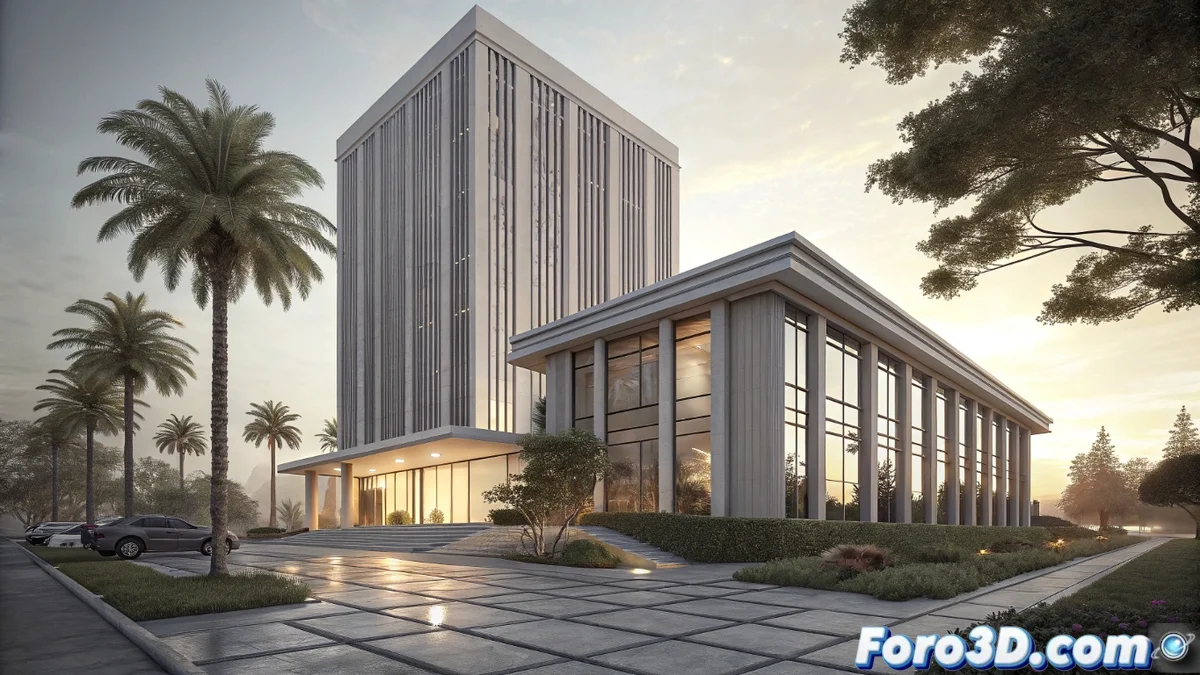
Correcting Vertical Perspective in Architectural Photography
When capturing structures from a low angle, it is common for lines that should be vertical to slant toward the center of the image. This phenomenon, called the keystone effect, although natural, can distort the faithful representation of a building. The digital solution to straighten these lines is fundamental in architectural photography. 🏛️
Tools for Straightening Lines in Post-Production
You can rectify these distortions using specific functions within editing software. Applications like Adobe Lightroom, SKRWT for mobile, or Snapseed offer dedicated controls. The usual method involves dragging guides to align them with the building edges that need to become vertical. The program then processes the photo, deforming and scaling the relevant areas to achieve a geometrically correct result.
Useful Programs and Apps:- Adobe Lightroom/Photoshop: Offer advanced perspective transformations with manual and automatic controls.
- SKRWT: Mobile app specialized solely in correcting lens and perspective distortions.
- Snapseed: Includes a free and easy-to-use "Perspective" tool for basic adjustments.
A precise perspective adjustment not only straightens a building but restores the original intention of the architectural design.
Tips for Capturing the Original Image
For the editing process to be more effective and avoid unwanted crops, it is crucial to think about composition during the shot. Leaving a generous margin of space around the main subject allows the software to transform the image without losing key elements. It is also recommended to use optics that distort little and, when possible, a tripod to keep the horizon level.
Prepare the Shot for Later Editing:- Compose with extra space on the edges of the photo to allow room for digital transformation.
- Choose lenses with low optical distortion, such as tilt-shift lenses or medium telephotos.
- Use a tripod to ensure a stable and level frame, facilitating correction.
Perspective as a Creative Decision
Occasionally, a photographer may choose to retain a slight convergence of the lines. This aesthetic choice seeks to convey a greater sense of height or imposing presence of the building, even if technically inaccurate. Correcting vertical perspective, therefore, balances between architectural fidelity and personal artistic expression. 🎨