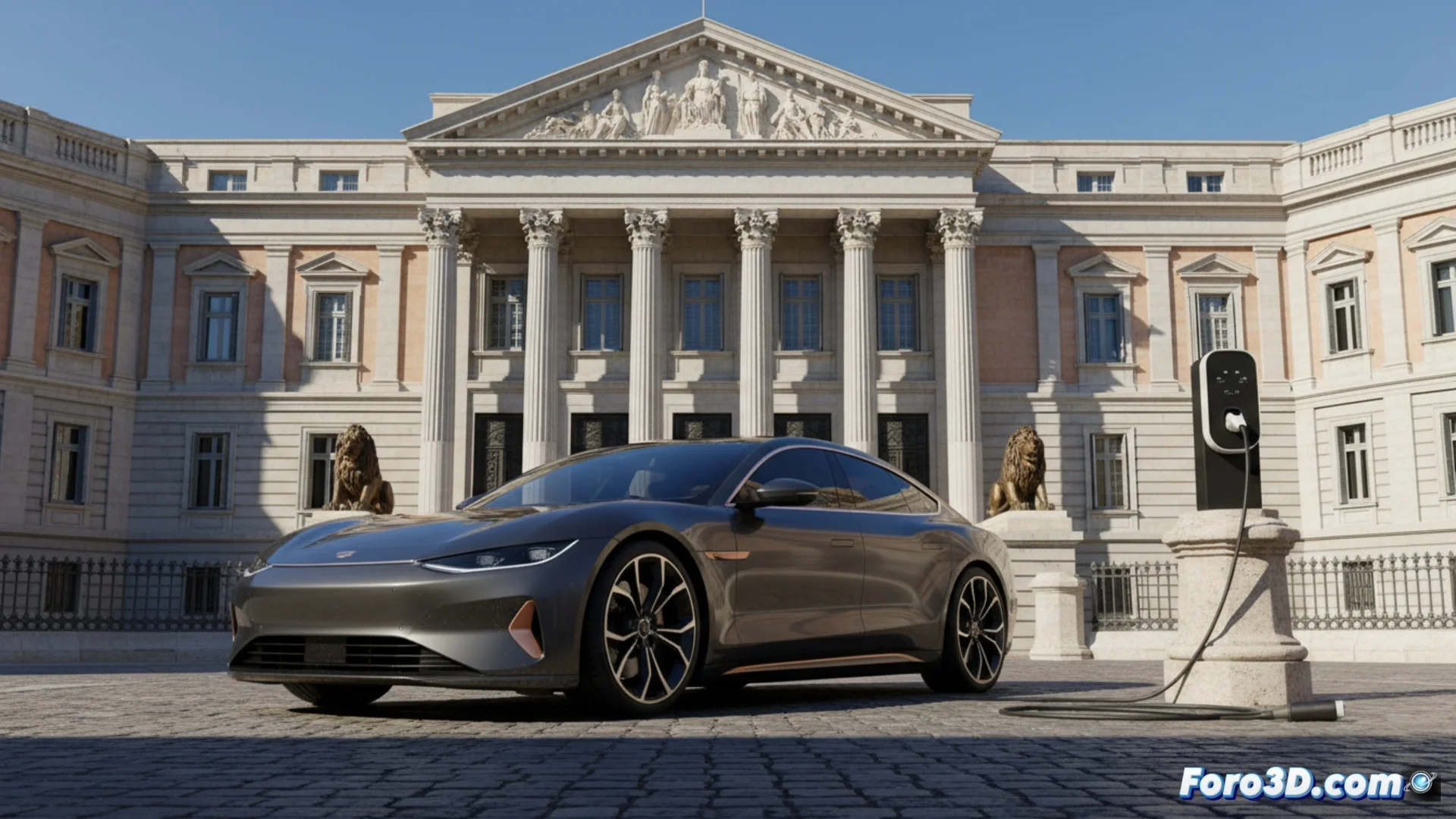
Congress does not extend incentives for purchasing electric cars
The Lower House has decided not to extend the stimulus program for citizens to buy electric automobiles. The well-known MOVES III plan, which facilitated an immediate discount on purchase, ends without political parties agreeing on a new allocation of funds. This occurs in parallel to debates in the European Union to make the goals for marketing non-polluting cars stricter. 🔌
Concern in the automotive industry
Car manufacturers and sellers show their alarm at this resolution. They argue that eliminating subsidies now could slow the shift to electric mobility, just when sales are starting to stabilize. The initial cost of these vehicles still represents a key obstacle for many buyers, and the aids acted as a fundamental incentive to shorten that initial economic gap. 🚗
Immediate consequences:- Consumers waiting for the plan's renewal to buy are left without support.
- Uncertainty is created in the market and may halt purchasing decisions.
- The sector fears stagnation in the electric technology adoption curve.
Withdrawing this economic support at a time of consolidation is a step back in the strategy to decarbonize the vehicle fleet.
Impact on sustainability goals
This action raises questions about whether Spain will be able to meet its commitments to reduce transportation emissions. The Executive insists on its goal of having five million electric cars on the road by 2030, but without subsidies, achieving that figure seems more difficult. Experts emphasize that expanding charging infrastructure and offering more affordable models will become even more critical elements. 🌱
Factors gaining importance:- Deploying an extensive and accessible network of charging points.
- Incentivizing brands to launch vehicles with more competitive prices.
- Promoting other financing formulas or alternative tax benefits.
An uncertain future for clean mobility
The interruption of direct aids leaves the sector's energy transition up in the air. Although the government maintains its objectives, the main tool to incentivize the consumer disappears. Now, the burden falls on the natural evolution of the market, the reduction in production costs, and complementary policies. The path to electrify the Spanish automotive fleet undoubtedly presents itself as more complex and full of challenges. ⚡