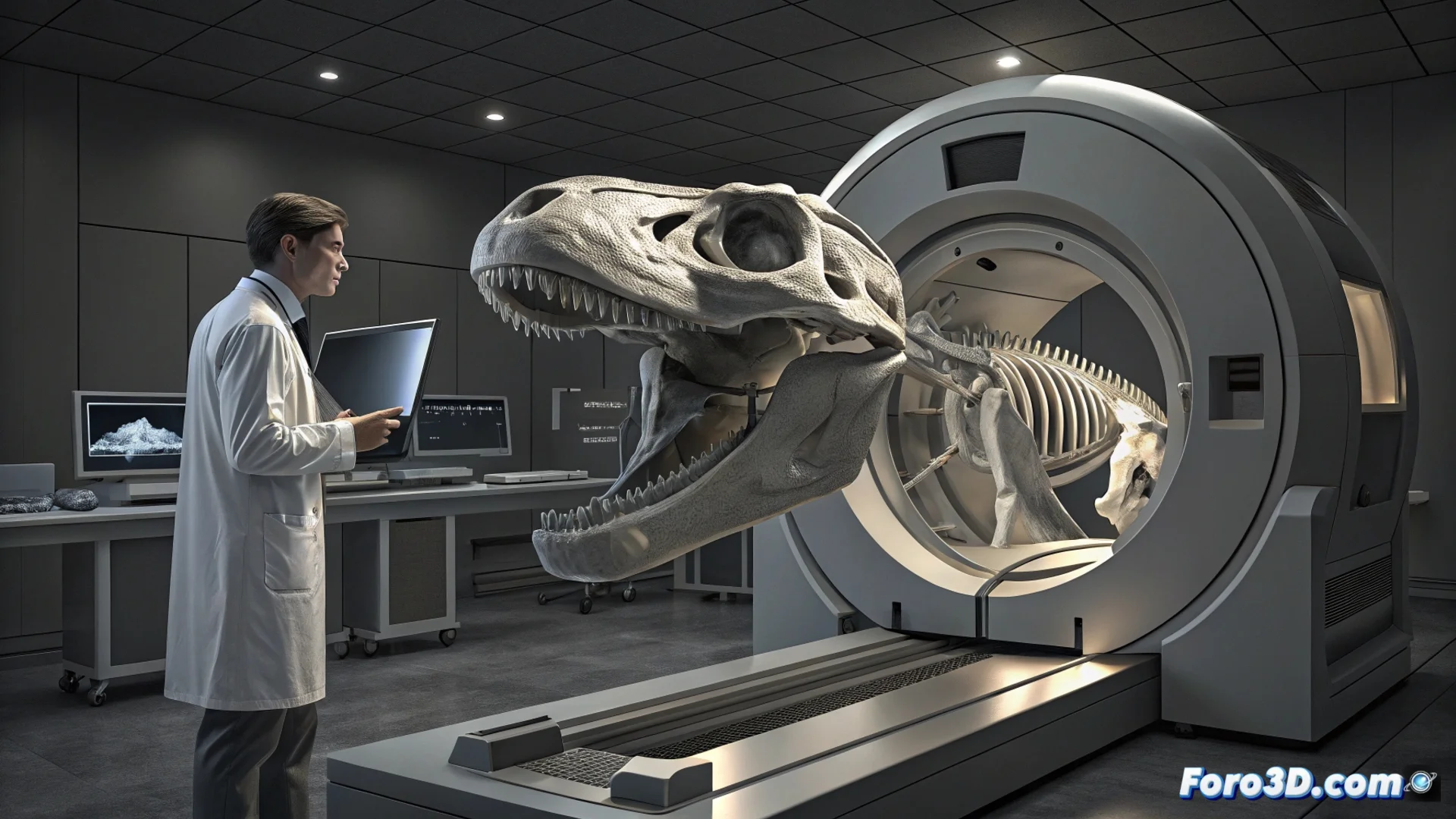
Computed Microtomography Authenticates Fossils in Illicit Trafficking
Computed microtomography or micro-CT emerges as a fundamental technology to combat the illegal trade of fossils. This non-destructive methodology allows scanning an object and producing a precise three-dimensional digital replica of its interior. Paleontology experts and law enforcement agencies use this data to identify fake replicas, disguised repairs, or deceptive assemblies where parts from different animals are joined to create a more complete specimen. Thus, the trafficking of heritage is confronted with irrefutable technical evidence. 🦴
The Technique Uncovers Assemblies and Forgeries Not Visible to the Eye
The method works by directing X-rays through the fossil from numerous perspectives. Specialized software processes these captures to build a highly detailed volumetric image. Analysts examine this virtual model to find interruptions in the bone texture, variations in material density, or joints that the human eye cannot perceive externally. Detecting that a fossil mixes, for example, the skull of a dinosaur with the jaw of another individual is crucial to dismantle scams and facilitate the repatriation of specimens to their places of origin.
Key Advantages of Micro-CT Analysis:- Allows inspecting the interior without touching or damaging the physical fossil.
- Generates a 3D model that can be sectioned, measured, and analyzed digitally.
- Reveals differences in density and texture that betray different materials or joints.
The internal digitization of a fossil acts as its scientific fingerprint, a record impossible to falsify without leaving a trace.
Digital Files as Legal Evidence and Permanent Record
The digital files resulting from the scan become objective forensic evidence admissible in judicial proceedings. Additionally, they function as a permanent and unalterable record of the fossil, establishing a sort of digital "certificate of authenticity." If the specimen reappears on the market years later, it can be compared with this original file to confirm its identity. This digitization also enables studying and disseminating heritage without the need to handle the fragile originals, ensuring their preservation for the future.