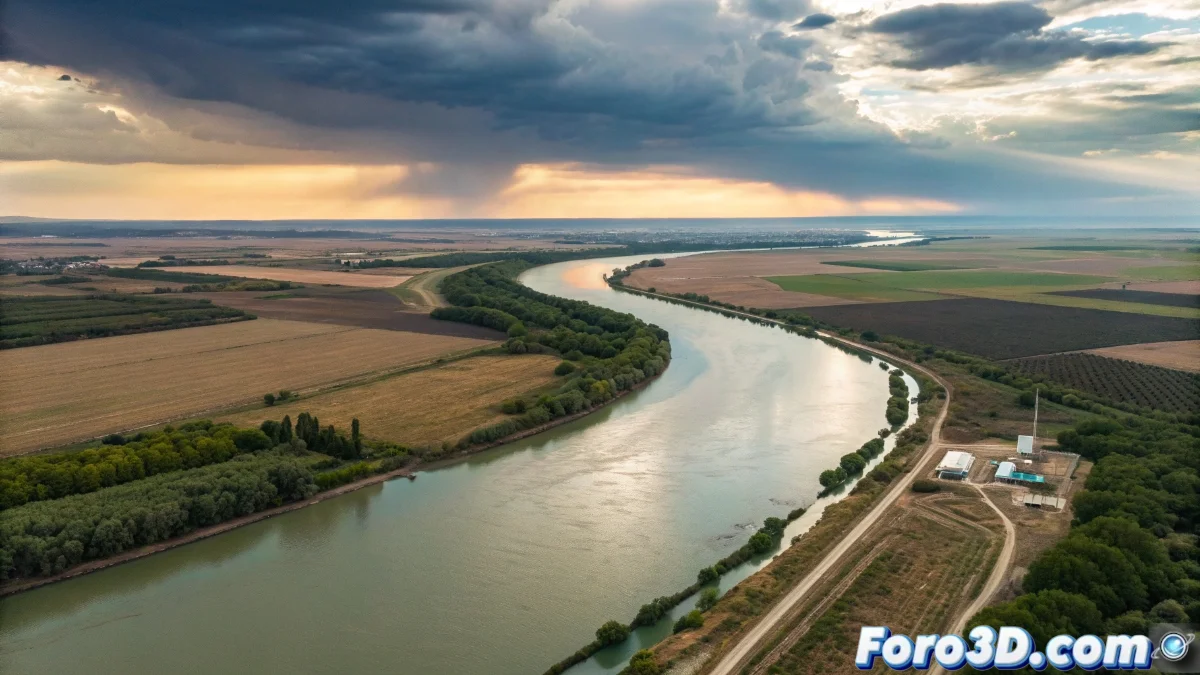
Comprehensive Study on Water Quality in the Ebro River
A scientific team from the Spanish National Research Council has undertaken a thorough investigation to assess the ecological status of Spain's most abundant river. The analysis covers the entire course of the Ebro, from its source to its mouth, examining critical parameters such as nitrates concentration, heavy metals, and microplastics. Initial findings reveal significant geographical differences, with particularly alarming situations near areas with high industrial and intensive agricultural activity 🧪
Monitoring System and Applied Methodology
The research implements an automated sensor network distributed across 50 strategic locations along the river. These measurement stations record data every six hours on multiple variables, including pH, dissolved oxygen, turbidity, and emerging contaminants. Scientists complement this information with monthly manual sampling for more detailed laboratory analyses, building a comprehensive database to identify long-term patterns and trends.
Measurement System Features:- Implementation of state-of-the-art technology for continuous monitoring
- Complete coverage from Fontibre to the Ebro Delta
- Automated data collection every six hours
"The combination of automated measurements and manual sampling allows us to obtain a multidimensional view of the river's health" - CSIC Research Team
Consequences for River Ecosystems
Preliminary data demonstrate that aquatic biodiversity is compromised in several river segments, especially in areas affected by eutrophication processes caused by excess nutrients. This environmental deterioration directly impacts native species such as the Ebro pearlfleet mussel and the river crab, whose populations show high sensitivity to changes in the water's chemical composition. Researchers emphasize the need to balance human activities with the preservation of the river ecosystem 🌊
Affected Species and Risk Factors:- Ebro Pearlfleet Mussel: Sensitivity to changes in chemical parameters
- River Crab: Vulnerability to specific contaminants
- Eutrophication: Algal proliferation due to excess nutrients
Perspectives and Final Considerations
This ongoing study provides an updated snapshot of the Ebro's ecological status, highlighting the urgent need to implement corrective measures in the most critical areas. The research not only identifies existing problems but also establishes the foundation for future water resource management and conservation strategies. The current situation reflects the complex interaction between human development and environmental sustainability, requiring integrated solutions that ensure the protection of this vital river ecosystem 💧