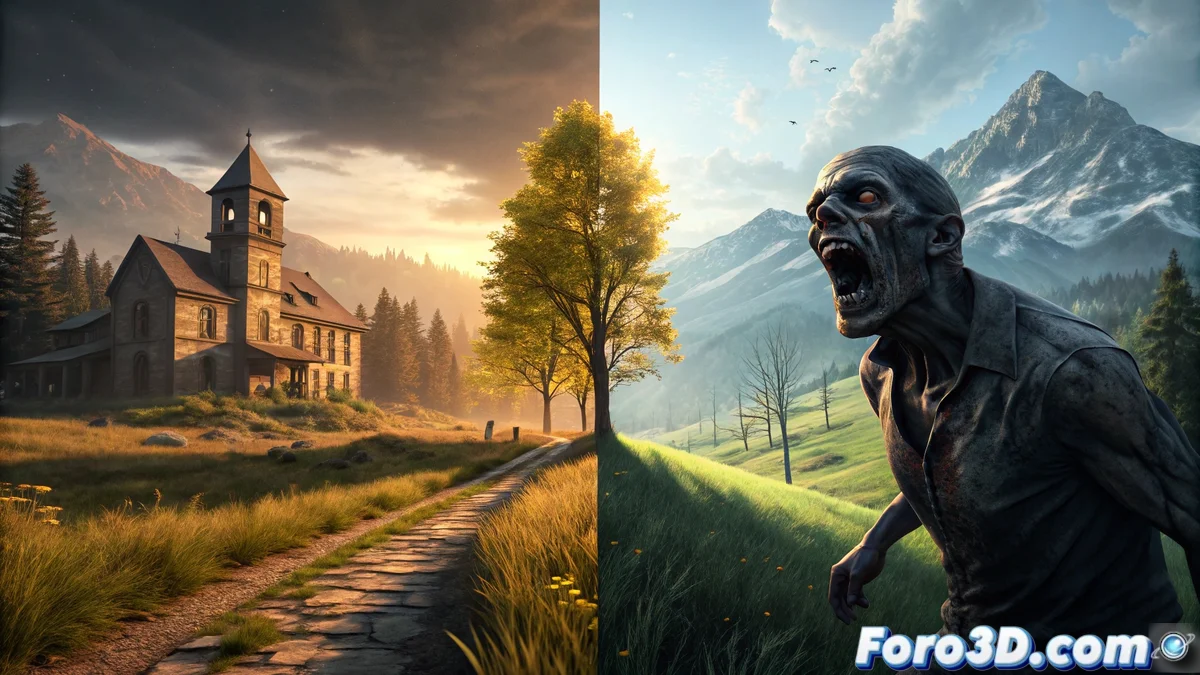
Comparison Between RE Engine and Unreal Engine for Video Game Development
The choice of a game engine represents a fundamental decision that can determine the success of any development project. Among the most prominent options on the market, we find two very different proposals: Capcom's internal engine known as RE Engine and the popular Unreal Engine from Epic Games. Both engines offer advanced technical capabilities but present very distinct development philosophies and applications 🎮
Specialization and Performance of the RE Engine
The RE Engine has established itself as a highly specialized solution for titles requiring high-quality graphics and maximally optimized performance. Its internal architecture is specifically designed to intensively leverage resources like Shader and Compute for advanced visual effects, achieving exceptional visual fidelity without compromising performance across different platforms.
Main Features of RE Engine:- Extreme optimization for action and horror games like the Resident Evil series
- Internal architecture allowing detailed control of the graphics pipeline
- Primarily limited to Capcom's internal projects, reducing external accessibility
"RE Engine represents excellence in optimization and controlled visual quality for specific projects"
Versatility and Ecosystem of Unreal Engine
In contrast, Unreal Engine is characterized by its versatile and accessible approach, offering complete tools that span from indie developments to AAA productions. Its multiplatform support and robust ecosystem of assets and plugins make it an extremely flexible option for teams of all sizes.
Key Advantages of Unreal Engine:- Blueprints system for creating logic without advanced programming
- Technologies like Lumen for dynamic global illumination and Nanite for virtual geometry
- Active community and extensive documentation that facilitates learning
Comparative Analysis and Recommendations
The final decision between these engines fundamentally depends on the project's objectives, the composition of the development team, and the available technical resources. While RE Engine shines in controlled environments with a focus on maximum optimization, Unreal Engine adapts to a wider variety of needs thanks to its flexibility and community support. The perfect analogy would be comparing a custom Ferrari with an all-terrain truck: both are excellent vehicles, but each is designed for different terrains and objectives 🚀