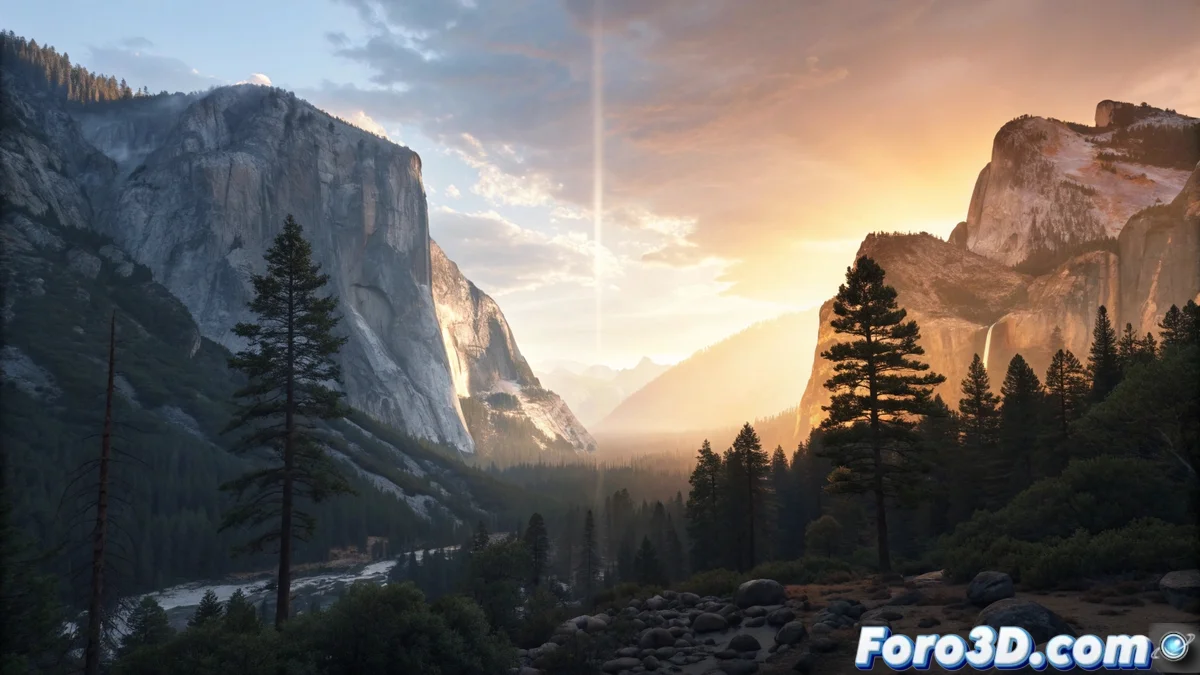
Comparing Lighting in Vue Esprit and Blender with Addons
When creating digital landscapes, the way light is handled defines realism and workflow. Vue Esprit and Blender represent two distinct paths: one unified and physical, the other modular and manual. Understanding their differences helps choose the right tool for each outdoor project. 🌄
Opposing Philosophies in Light Handling
The central difference lies in how each software processes ambient light and volumetric scattering. Vue Esprit is built around an integrated physical atmospheric system that uniformly calculates sunlight and how it scatters in the air. Blender, with its Cycles or Eevee engines, delegates this task to manual settings or specialized addon scripts, requiring the user to assemble each piece.
Key Approaches of Each Software:- Vue Esprit: Specialized engine that automatically simulates how light interacts with the atmosphere, fog, and clouds.
- Blender: Relies on addons like Scatter or Botaniq to manage complex landscapes, separating geometry from lighting.
- Result: Vue seeks immediate physical coherence; Blender offers granular control at the cost of more adjustment time.
In Vue, nature simulates for you. In Blender, sometimes you simulate being nature.
Vue Esprit: Native and Unified Atmospheric Lighting
In Vue, lighting is not a separate element, but an intrinsic part of the environment. The artist defines parameters like the time of day and sun position. From there, the software automatically calculates color temperature, intensity, and light scattering. This method streamlines creating realistic outdoor scenes because the sky, fog, and sunlight behave as an integrated system.
Features of the Native System:- Global lighting and volumetric effects derived from central atmospheric parameters.
- Fewer manual adjustments to achieve coherence between different scene elements.
- The unified approach produces realistic atmospheric results with a more direct workflow.
Blender with Addons: A Modular and Manual Approach
Blender operates under a philosophy of assembled components. Landscape addons handle providing and distributing geometry, like vegetation, but atmospheric lighting falls to the user. You must configure it using world nodes, HDRI textures, or volumes in the node editor. This provides precise control over each variable, like fog density or sky color, but demands more time to balance all elements harmoniously.
Addons like Physical Starlight and Atmosphere attempt to emulate Vue's integrated physical behavior within Blender, narrowing this gap by offering a more automated system for ambient light.
Conclusion: Automation versus Control
The choice between Vue Esprit and Blender with addons for landscapes boils down to prioritizing a unified system that simulates physics for you, versus a modular approach where you control and simulate each interaction. Vue offers speed and native physical coherence for exteriors. Blender, with its addons, provides flexibility and absolute control, ideal for artists who want to tweak every detail manually, though with a steeper learning curve and more setup time. The key is knowing what you value most in your workflow: intelligent automation or configuration freedom. ⚖️