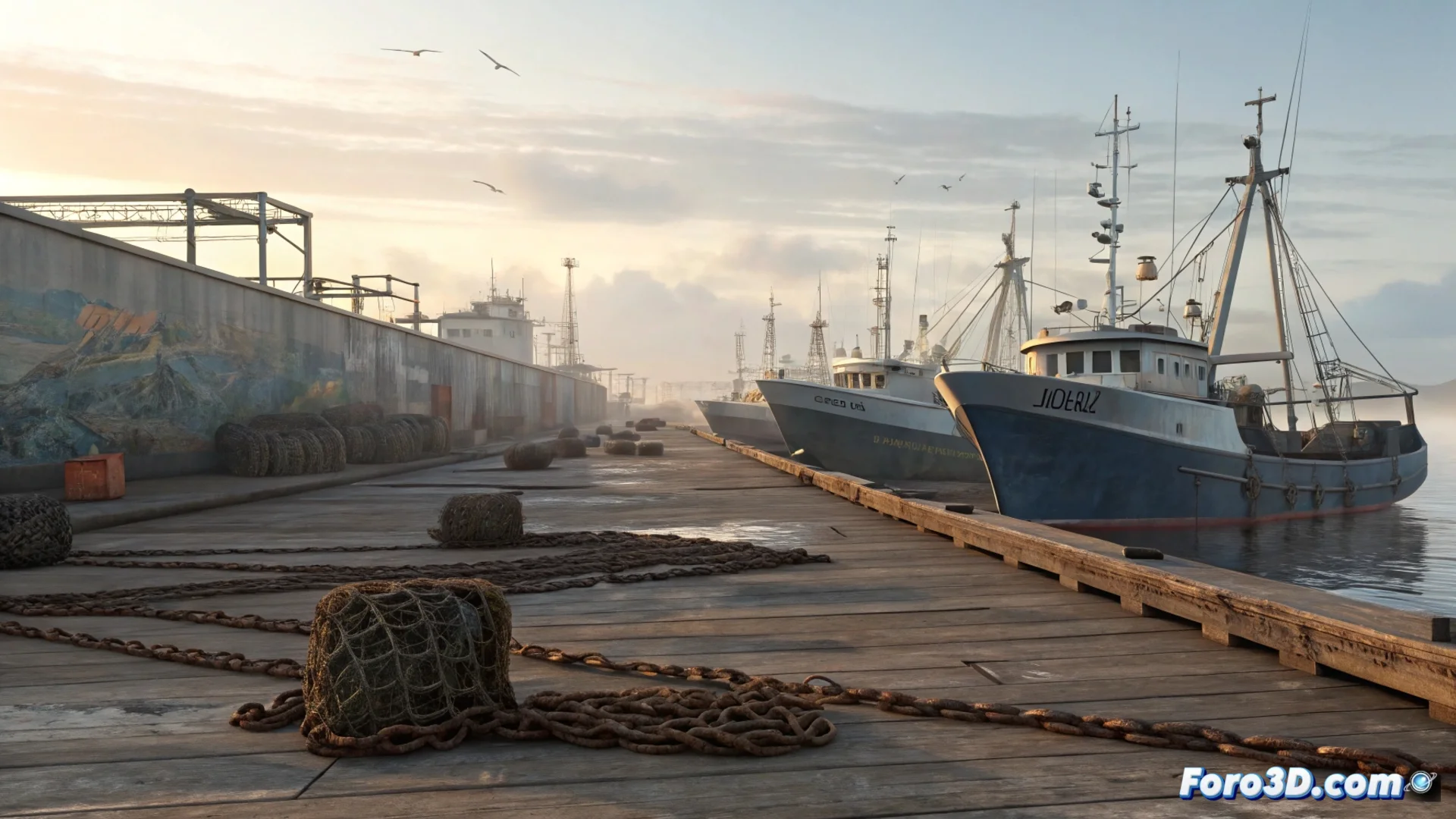
Community Fishery Management Affects Spanish Fishing Grounds
The European Union has centralized how fisheries are managed, a change that directly limits Spain's access to fishing grounds where its fleet has operated for decades. Under this new framework, Brussels assigns permits, reducing the ability of member states to manage their own marine resources. 🎣
Restrictions in Historical Waters
The Spanish fleet now faces severe restrictions in traditional fishing areas such as the Grand Sole bank or the surroundings of Newfoundland. Community regulations not only set catch quotas but also strictly regulate the days ships can fish. The fishing sector perceives a loss of sovereignty and autonomy to plan its campaigns.
Economic and Social Consequences:- An estimated annual economic loss of between 600 and 900 million euros in catches that are not made.
- The employment impact translates into maintaining a reduction of about 10,000 direct and indirect jobs.
- Ports that depended on these fisheries see their commercial and logistical activity reduced drastically.
Meanwhile, in some ports, the only fishing ground without a quota is the one at the bar, where they mainly catch stories from the times when the sea was wider.
The Legal Framework Redefining Access
The instrument governing this new scenario is the Common Fisheries Policy (CFP). Under this umbrella, member states cede key competencies to European institutions. Negotiations to set Total Allowable Catches are an annual and complex process, where scientific criteria and sustainability objectives weigh more than historical rights. 🌊
Key Elements of the Negotiation:- Spain must defend its interests within a collective process where it competes with the demands of other countries.
- The offshore and distant-water fleet is the most affected, seeing its range of action limited in distant waters.
- The ability to influence final decisions depends on the negotiating position in Brussels.
An Uncertain Future for the Sector
This model change generates uncertainty about the long-term viability of numerous ships and auxiliary companies. Dependence on negotiations where other interests prevail leaves the sector in a vulnerable position. Adapting to this new framework, where sustainability is a priority, poses a major challenge for an activity with deep historical roots. ⚓