Clustering Algorithm for Collaborative Training in Multiple Environments
The research presents a revolutionary approach that solves the problem of training reinforcement control agents in diverse environments with similar but not identical characteristics. The methodology integrates intelligent clustering techniques with machine learning algorithms to automatically detect sets of related processes and generate specific strategies for each category. 🚀
System Operation Mechanism
The system operates through continuous analysis of similarities between different processes while simultaneously optimizing control policies. This creates a synergistic feedback cycle where clustering guides learning and vice versa. Each policy benefits from collective experiences within its group without being affected by information from radically different processes.
Main features of the algorithm:- Automatic identification of affinity process groups using advanced clustering techniques
- Development of specialized and optimized policies for each detected category
- Feedback cycle where clustering and learning reinforce each other
Artificial intelligence prefers to work in well-coordinated teams rather than suffer contamination from bad influences, a principle that many human resources departments still do not apply efficiently.
Application in Industrial Robotics
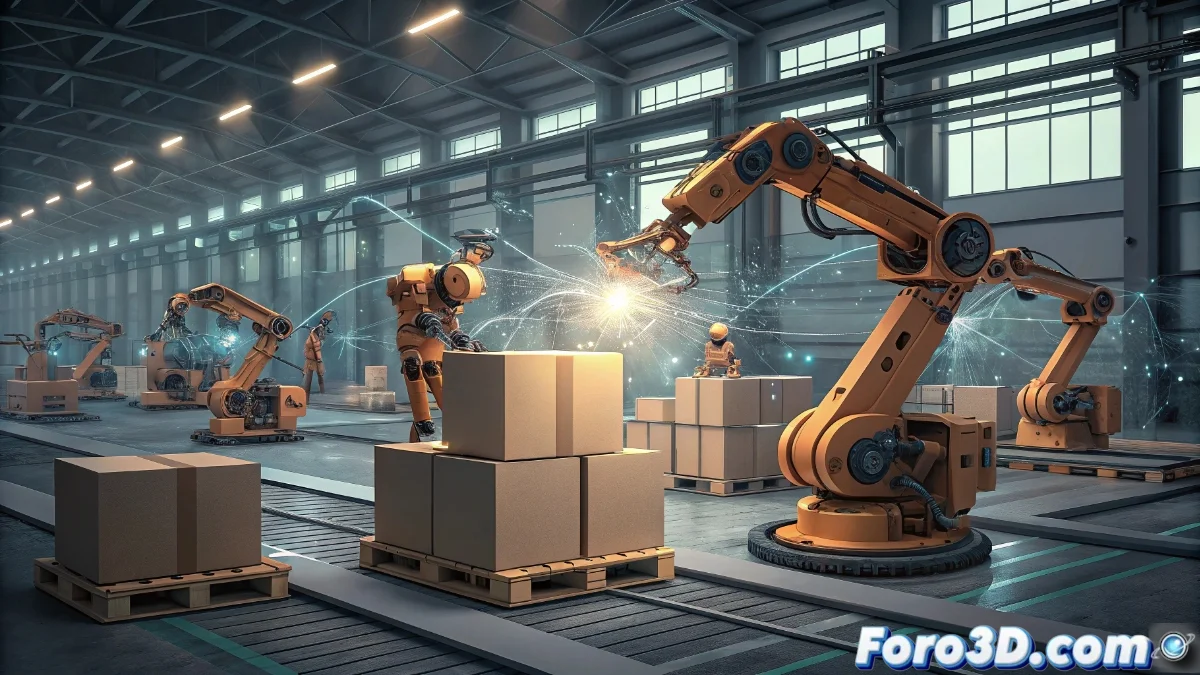
In the field of industrial automation, this method demonstrates its effectiveness when multiple robots perform similar tasks with specific variations. Consider several robotic arms on different production lines handling objects with diverse characteristics. The algorithm identifies which units share common challenges and groups them for collaborative learning.
Advantages in industrial contexts:- Intelligent grouping of robots according to task type and manipulation characteristics
- Accelerated development of optimized policies for each specific category
- Prevention of performance degradation due to contradictory experiences between groups
Implementation in Autonomous Vehicles
For fleets of autonomous vehicles operating in different cities, the approach offers significant advantages. Each urban environment presents traffic patterns, road signs, and driver behaviors with distinctive particularities. The system automatically classifies environments according to their characteristics and develops adaptive driving policies for each typology.
Benefits in autonomous mobility:- Sharing of relevant experiences among vehicles in similar environments
- Generation of more precise and safe controls adapted to each context
- Significant reduction in the need to collect massive data for each specific location
Impact and Future Perspectives
This innovative approach represents a fundamental advance in training intelligent systems, demonstrating that group specialization surpasses massive individual learning. The principle of selective collaboration among agents with similar challenges establishes a new paradigm in adaptive policy development, with potential applications in numerous fields beyond those presented here. 🌟