Cleanse by Maberry and Zamudio: Post-Apocalyptic Horror with Philosophical Depth
In the work Cleanse created by Jonathan Maberry and A.C. Zamudio, we delve into a dystopian scenario where a monstrous pandemic has mutated the human population into grotesque entities that endanger the existence of the last groups of survivors. 🎭
Visual Art that Defines the Atmosphere of Horror
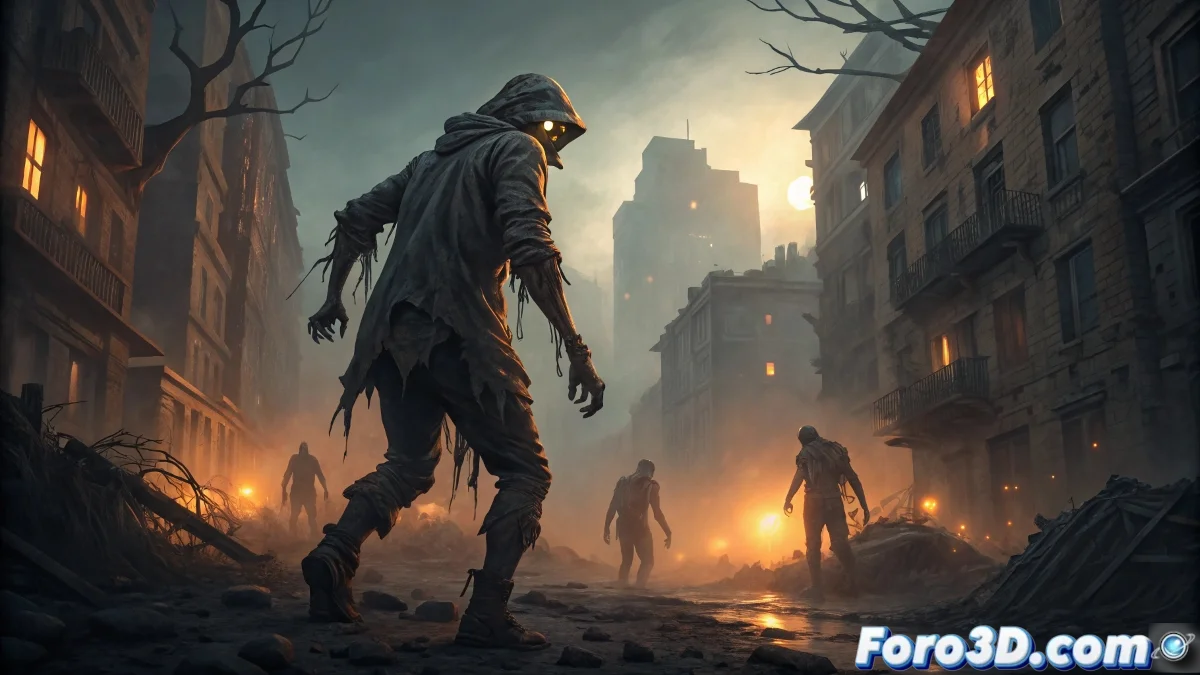
The contribution of A.C. Zamudio in the graphic aspect provides an extraordinary visual dimension that masterfully enhances the plot developed by Maberry. The graphic representations encapsulate the essence of post-apocalyptic horror with a meticulous level of detail that makes the anguish and permanent risk palpable.
Highlighted Visual Elements:- Monstrous designs representing corruption and terror with illogical anatomies
- Strategic use of color palettes and play of shadows to create oppressive environments
- Compositions that balance aesthetic power with intense emotional charge
"The true plague might be our inability to cooperate, even when literal monsters chase us through the streets"
Narrative with Transcendent Meaning
Maberry transcends superficial terror to build a profound reflection on the human condition when facing extinction. The protagonists must deal not only with external threats but also with their internal conflicts and complex ethical dilemmas.
Main Thematic Aspects:- The plague as a catalyst that reveals the best and worst of humanity
- Questioning of moral limits in situations of extreme survival
- Interconnection between physical action and philosophical development of the characters
The Irony of Human Survival
In a revealing twist, the work suggests that the true threat might reside in our own difficulty to collaborate, even in the face of imminent dangers. The narrative exposes how some survivors prioritize trivial disputes over the essential cooperation for collective preservation, adding layers of social critique to the horror story. 🤯