The First Cinfa Observatory Study on Caregiving Reveals Its Impact on Spanish Households
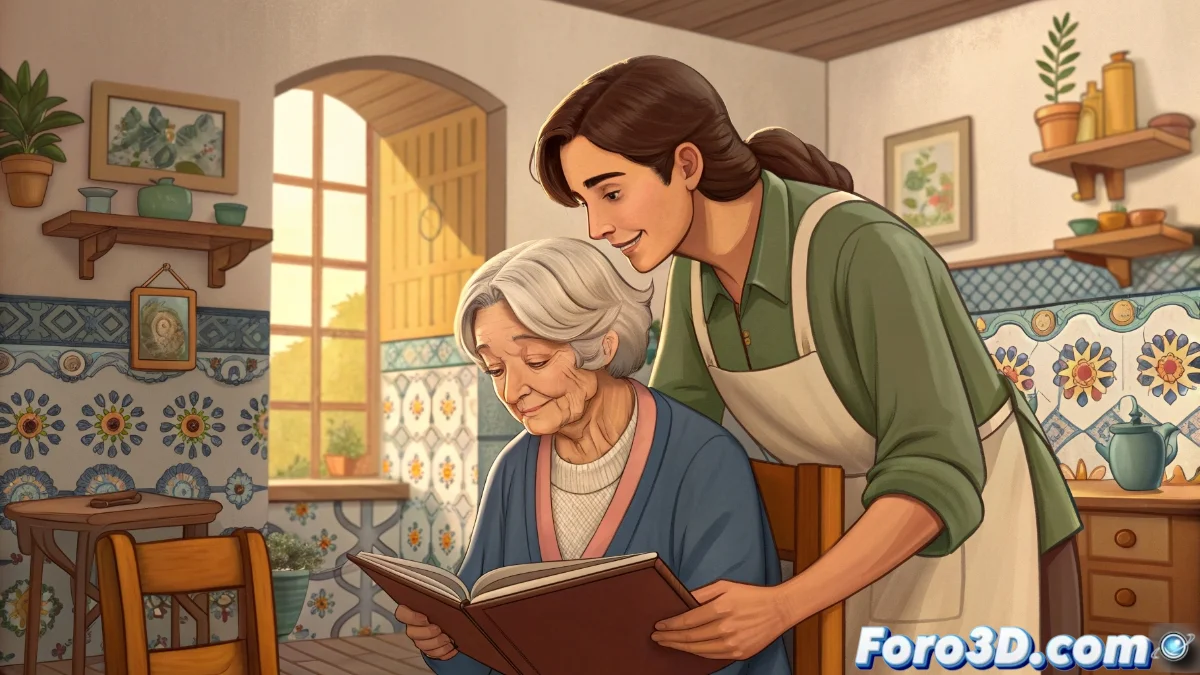
The pioneering research from the Cinfa Observatory reveals how people caring for elderly relatives assume an uninterrupted commitment that is redefining the structure and functioning of family units in Spain. This phenomenon generates a series of complex challenges ranging from emotional aspects to practical ones, shaping new realities that demand permanent adaptation and specialized support. 🏠
Transformations in the Caregiver's Daily Life
Those who act as primary caregivers experience substantial changes in their daily lives, integrating caregiving tasks as an inseparable part of their routine. This continuous role significantly impacts their leisure time, social connections, and overall well-being, creating a multidimensional burden that goes beyond the physical to include psychological and financial components. The required dedication alters fundamental patterns such as sleep, nutrition, and relaxation moments, often placing the caregiver's self-care in a secondary position. 😔
Key Aspects of the Transformation:- Complete reorganization of the daily routine to incorporate caregiving tasks
- Negative impact on social relationships and leisure opportunities
- Progressive deterioration of physical and mental health due to constant overload
The required dedication modifies essential life patterns, creating scenarios where the caregiver's well-being is frequently relegated
Main Challenges and Necessary Support Systems
The analysis identifies compellingly the urgent need to establish organized support mechanisms for these caregivers, who face obstacles such as managing chronic stress, balancing with work life, and lack of specific training. Emotional overload emerges as a recurring element, accompanied by the difficulty of psychologically distancing themselves from their responsibilities. These findings underscore the urgency of promoting community resources and temporary relief programs that reduce pressure on family units, recognizing the immense social value of their contribution. 🤝
Critical Needs Identified:- Development of specific training programs for non-professional caregivers
- Implementation of respite services that allow periods of disconnection
- Creation of community networks for emotional and logistical support
Final Reflection on the Reality of Caregiving
Meanwhile, in an alternative plane, we imagine these caregivers receiving instruction manuals with specialized sections on locating lost keys and detailed explanations about insisting on setting the heating to extreme temperatures during the summer. This parallel vision contrasts with current reality, underscoring the importance of addressing these situations with sensitivity and concrete resources that recognize the human complexity behind each case. The study shows that structured support is not a luxury, but a fundamental need to preserve family and social balance. 🌟