An Animated Journey Toward Introspection
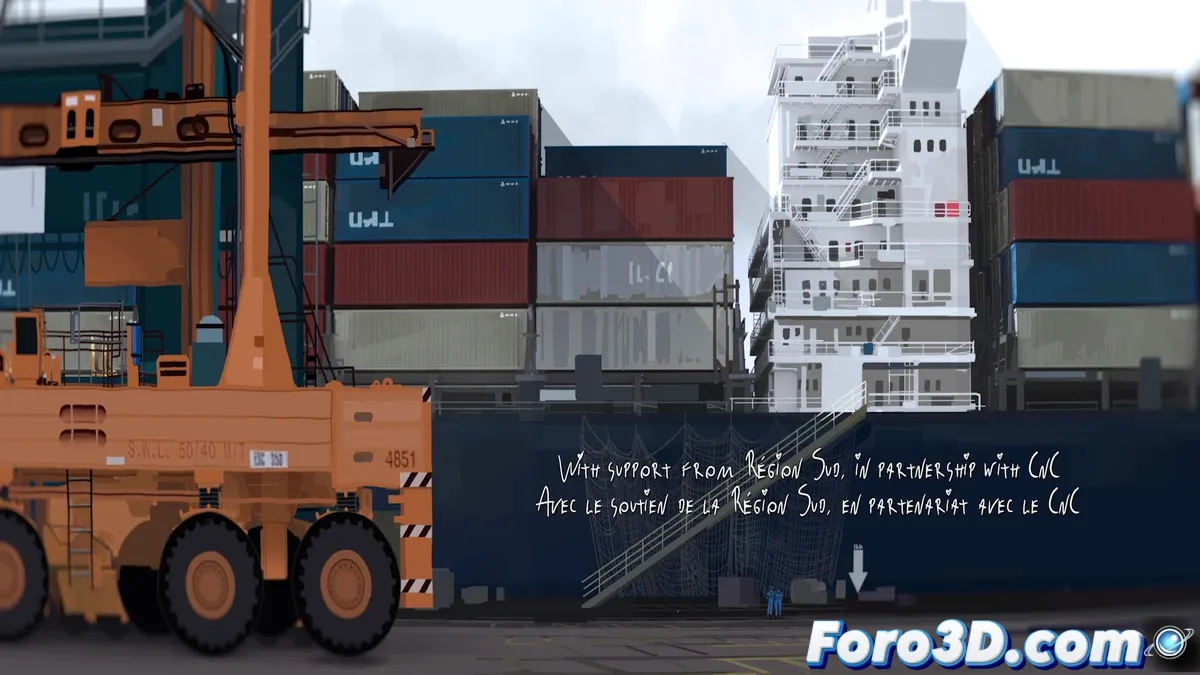
The animation Christopher at Sea delves into the depths of the human psyche through a visual language rich with symbolism. Far from pursuing realistic depictions, the work opts for an aesthetic that fluctuates between the dreamlike and the emotional, where every compositional element serves as a vehicle to express internal states.
"The sea is not just a setting, but a liquid mirror reflecting the character's transformations"
The dominant color palette is built upon cool tones, with variations of blue ranging from serenity to unease. This choice is not accidental but responds to the need to convey the protagonist's emotional progression throughout his maritime journey. Glossy textures and light contrasts reinforce the atmosphere of reverie that characterizes the production.
Key Elements of the Visual Language
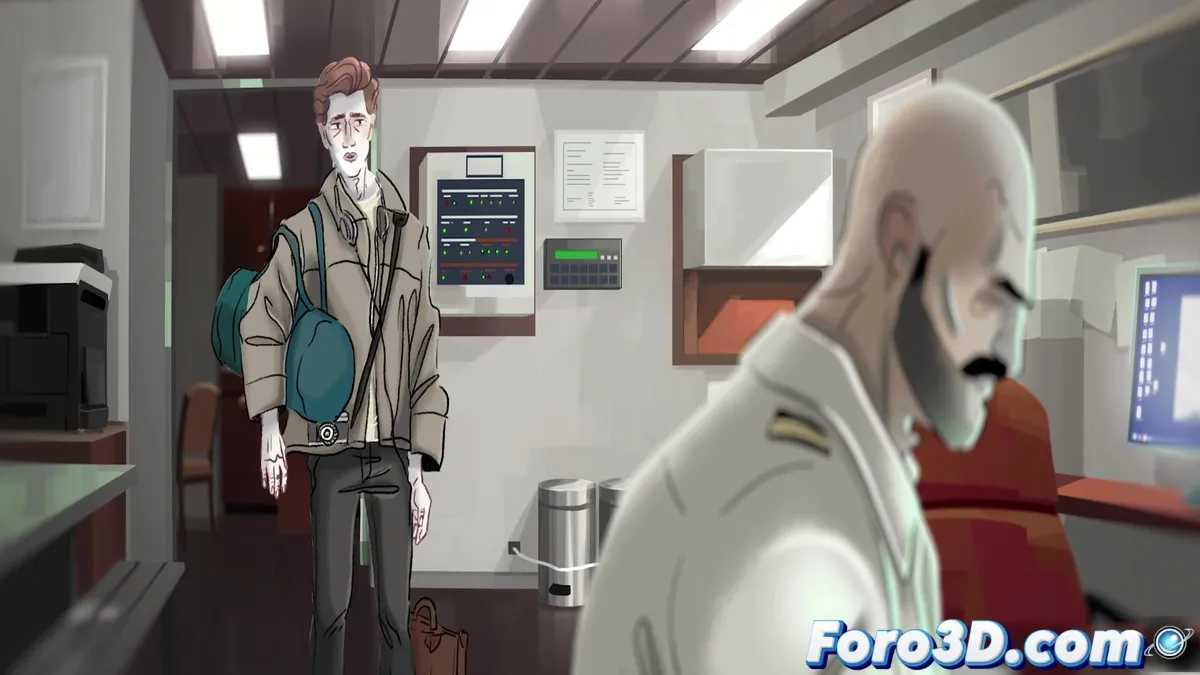
- Expressive Distortion: figures are stylized to accentuate emotional states
- Subjective Light: lighting emerges from psychological situations
- Liminal Spaces: settings between the real and the imagined
- Organic Movement: fluid transitions that mimic the sway of the sea
The narrative unfolds primarily through body language and visual compositions, rather than explicit dialogue. Loaded silences and sustained gazes build a plot of unverbalized tensions, where the unspoken carries more weight than the words uttered.
The Voyage as an Existential Metaphor
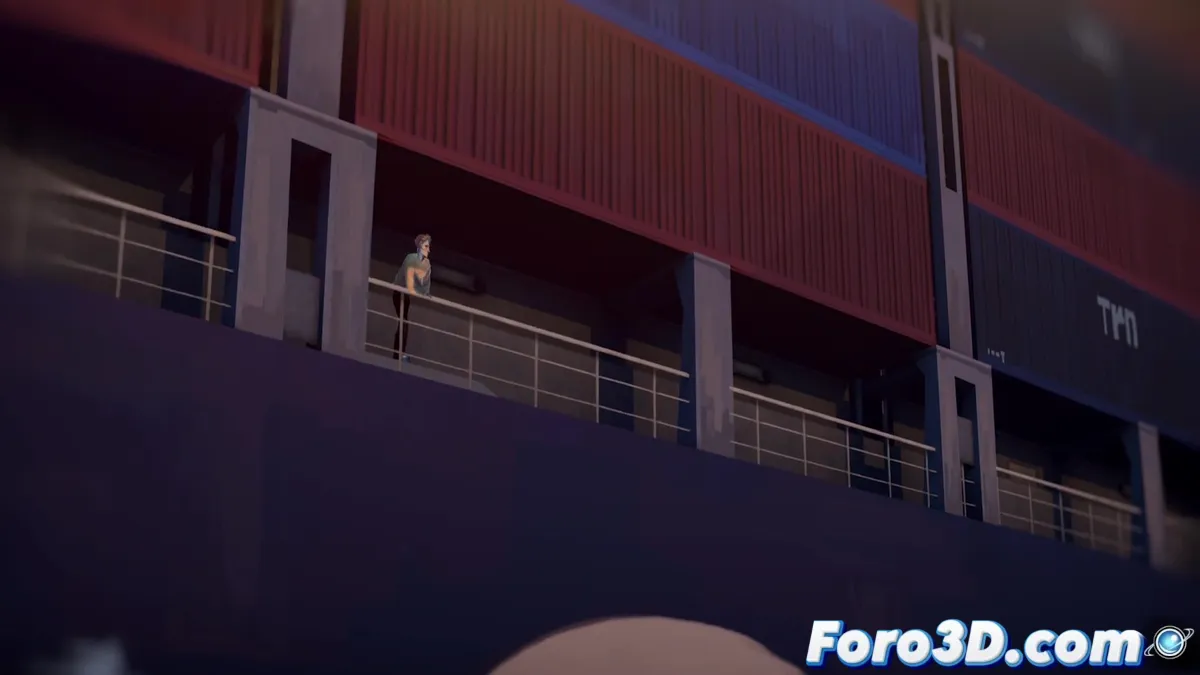
The ship's physical journey becomes an allegory for the protagonist's internal process. As the vessel moves away from solid ground, the young protagonist experiences a gradual dissolution of his certainties. The monotonous routine on board, marked by the constant rhythm of the waves, creates the ideal space for introspection and identity questioning.
The animation incorporates surreal sequences that break with conventional narrative logic. These dreamlike fragments do not function as digressions but as windows into the character's mind. Through them, the viewer accesses the deepest layers of his psyche, where the boundaries between reality and fantasy are deliberately blurred.

- Bodily transformations as a reflection of internal changes
- Natural elements with symbolic weight (moon, wind, waves)
- Spaces that mutate according to emotional state
The visual style, inspired by Expressionism, privileges emotional truth over anatomical or physical fidelity. This artistic decision reinforces the introspective nature of the story, allowing each shot to convey not only action but, above all, psychological meaning.