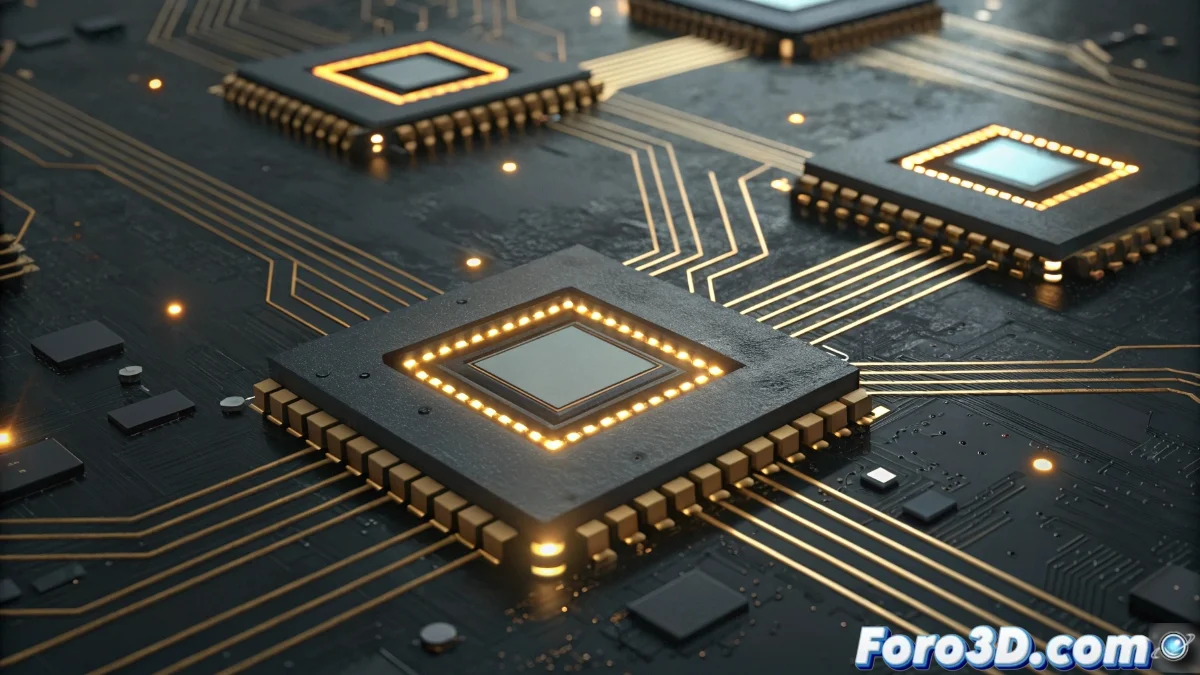
The Chiplet Revolution in Processor Architectures
The semiconductor industry is undergoing a radical transformation with the adoption of chiplet design, progressively abandoning traditional monolithic chips in favor of multiple specialized components that function in an integrated manner. This architectural evolution represents one of the most significant advances in processor design in the last decade 🚀.
Fundamental Advantages of Modularity
The inherent scalability of chiplet systems allows manufacturers to create customized solutions without the need to completely redesign each variant. This flexibility translates into specific optimizations for different market segments, from high-performance computing to mobile devices. The advanced interconnection between modules ensures that the system functions as a cohesive unit while maintaining overall performance.
Key Benefits of the Modular Approach:- Ability to use differentiated manufacturing processes according to the specific needs of each chiplet
- Significant reduction in production costs by optimizing each component separately
- Greater design flexibility to create product variants without restarting the development process
"Chiplet modularity represents the inevitable future of processor design, combining specialization and efficiency in a previously unimaginable way" - Semiconductor Industry Analyst
Practical Implementation in AMD Processors
AMD has demonstrated the commercial viability of this architecture with its Ryzen and EPYC series, establishing a technological paradigm that other manufacturers are beginning to follow. In these implementations, the compute chiplets house the processing cores, while the I/O modules manage communications with memory and peripherals. This functional separation allows the use of more advanced manufacturing technologies where they truly matter.
Distinctive Features of AMD's Implementation:- Use of optimized manufacturing technologies for different types of chiplets
- Cohesive architecture that maintains performance through high-speed interconnections
- Validation of the chiplet concept in commercial and enterprise environments with proven results
Future Perspectives and Technical Considerations
Although some purists may nostalgically prefer the elegance of monolithic designs, the current economic and technical reality overwhelmingly favors the chiplet approach. The manufacturing costs of silicon at nanometer scales make large monolithic chips economically unviable, while modular systems offer a significantly better price-performance ratio. This architectural transition is not just a passing trend, but the established future of high-performance computing 💡.