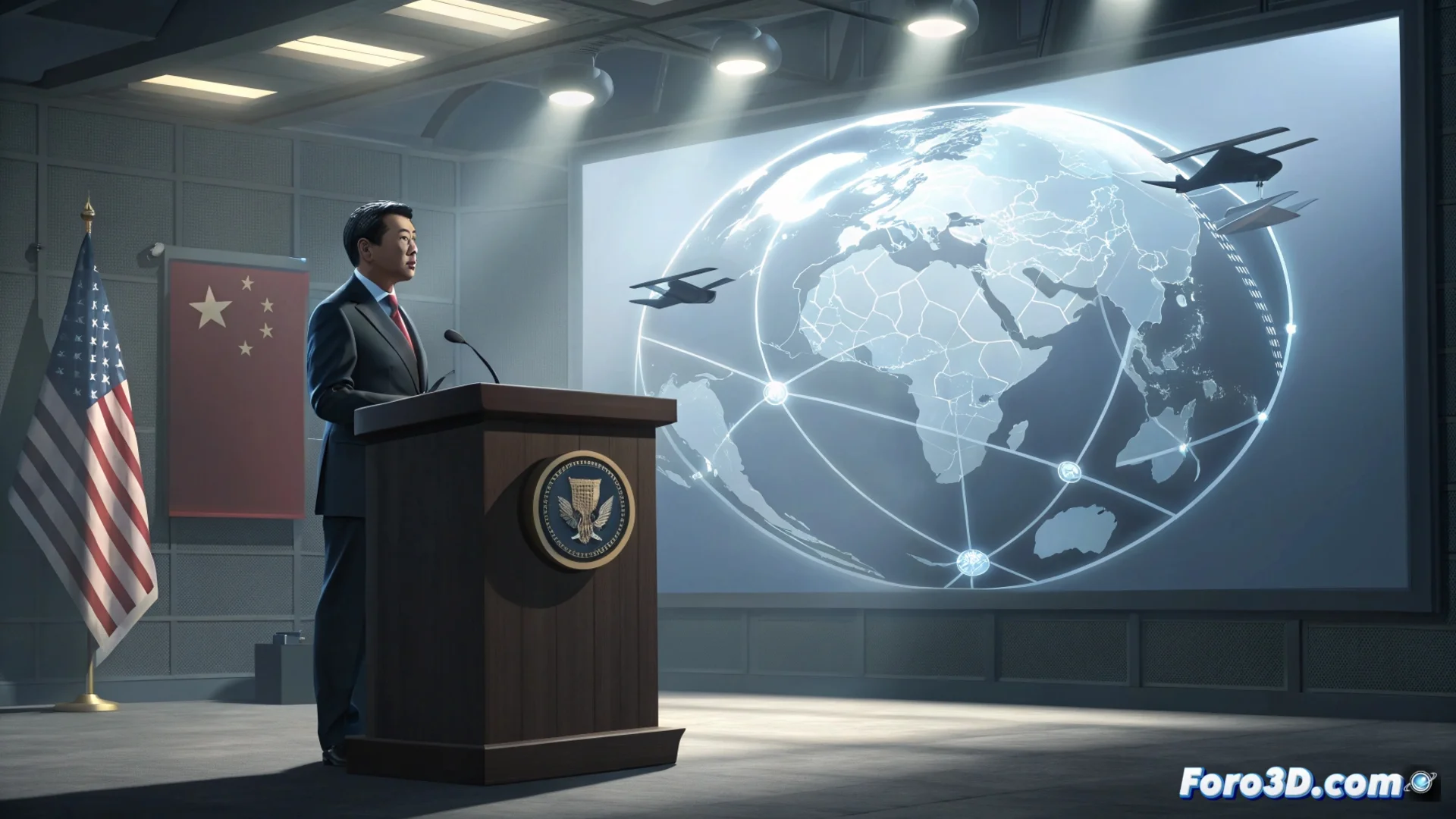
China Responds to the US Ban on Foreign Drones
The Chinese government has reacted firmly to the new US Prohibited Goods List, which includes all drone systems and their key components manufactured outside the country. A spokesperson for the Ministry of Commerce described this practice as vicious and assured that China will take the necessary actions to defend its companies. This measure directly impacts giants like DJI, which leads the global civilian drone market. 🚁
Defense of Fair Trade and Criticism of the Measure
Chinese authorities argue that the ban lacks foundation and violates the principles of fair competition. They consider that Washington abuses the national security argument to impose discriminatory barriers. This stance underscores the growing technological tension between the two largest economies, where drones have become a key strategic sector.
Key Points of the Dispute:- The US ban affects finished products and essential components.
- China promises to respond if its companies suffer unfair economic harm.
- The conflict reflects a broader struggle for technological supremacy and control of value chains.
“We urge the United States to stop including all foreign drone systems on its prohibited list. China will protect the legitimate rights and interests of its companies.” – Spokesperson for China's Ministry of Commerce.
Global Consequences and Technological Bifurcation
The US decision has implications that transcend its borders, as it may disrupt the global supply chains of the unmanned aeronautics sector. Analysts predict that this action could accelerate a technological bifurcation, forcing other countries to align with one of the two rival ecosystems.
Potential Impacts to Consider:- Disruption in Manufacturing: Many global assemblers depend on Chinese components.
- Market Uncertainty: Drone prices and availability could become more volatile.
- Pressure on Third Countries: Allied nations may be forced to choose between suppliers.
A Door Open to Dialogue, But with a Warning
Although China's response is firm, it leaves room for negotiation. However, it warns that it will not hesitate to act if it perceives that its companies are being unfairly harmed. This episode demonstrates how geopolitics is increasingly intertwined with high-tech trade, where controlling who manufactures and flies these devices is considered a matter of national security. The sky of commercial cooperation seems cloudier than ever. ⚡