China Proposes Rules to Regulate AI that Imitates Humans
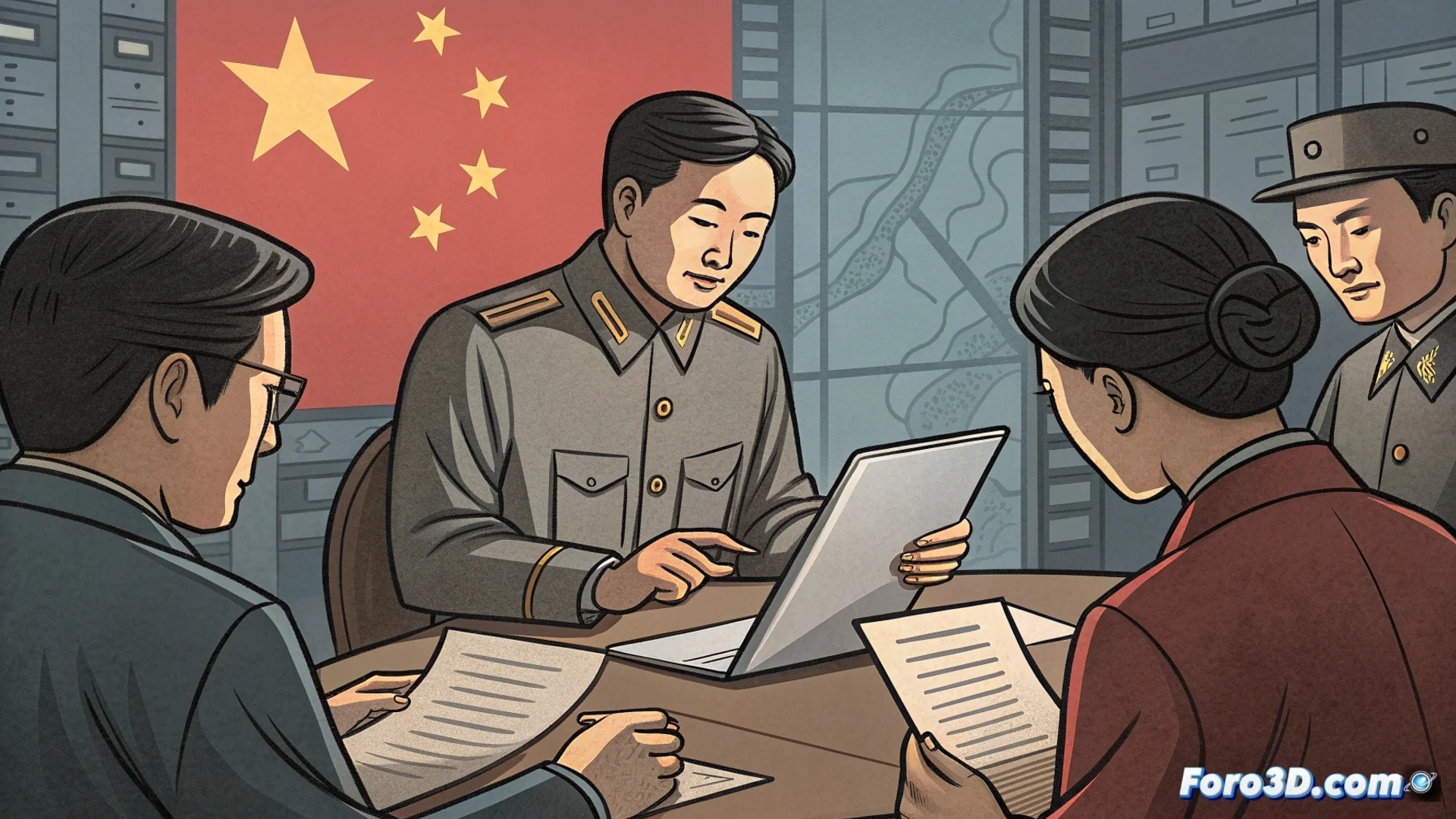
Authorities in China have released a draft of guidelines designed to control how artificial intelligence systems that replicate human interactions are created and used. This framework aims for companies developing these technologies to operate with greater transparency and assume their legal responsibilities. The initiative seeks to oversee a sector that is evolving rapidly and has a profound social impact. 🧠
Transparency and Management of Generated Content
The new rules require providers of these services to ensure that everything produced by AI is safe and aligns with the country's legal principles. They must clearly label machine-generated content so users can distinguish it from that created by humans. Additionally, companies must implement systems that allow users to report issues and must be able to track and manage how information is produced and distributed.
Key Obligations for Providers:- Ensure content complies with the law and is safe before publishing.
- Visibly mark all material generated by artificial intelligence.
- Create channels for users to report problematic content.
The draft emphasizes that AI systems cannot claim ignorance; their actions must be auditable and have an identifiable responsible party.
Consequences for the Tech Industry
These proposals will directly affect companies designing virtual assistants, complex chatbots, and any platform that emulates human dialogues. Companies will need to evaluate the safety of their products before marketing them and obtain the relevant authorizations. This legal framework attempts to balance innovative drive with the need to maintain social harmony, a fundamental pillar of Chinese tech policy. A public consultation period is expected to help refine the final text.
Areas of Immediate Impact:- Development and launch of new voice assistants and chatbots.
- Companies' internal processes to assess risks and obtain licenses.
- The relationship between accelerated innovation and state control frameworks.
A New Paradigm of Accountability
With these rules, the next time a chatbot issues an inappropriate comment, it won't be able to excuse itself by saying it was just following orders. It will have a history associated with its identification, whether a name or a serial number. This marks a shift toward a model where accountability for results and responsibility go hand in hand in the AI world. The message is clear: in China, technology will advance, but with supervision and well-defined limits. ⚖️