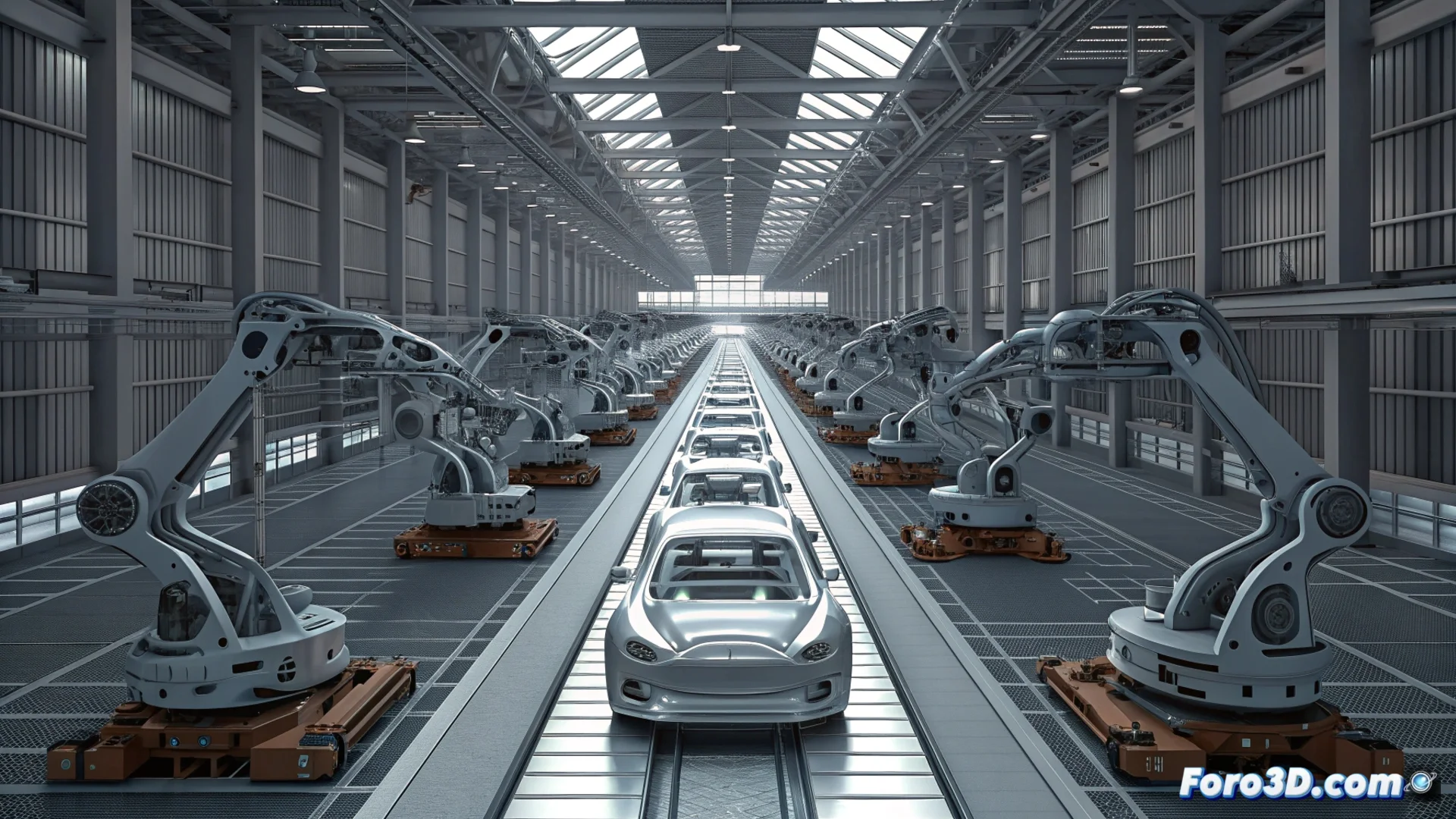
China Manufactures Electric Cars at a Lower Cost than Europe
China's cost advantage in the electric vehicle sector is no coincidence. It is supported by a comprehensive industrial architecture that spans from mineral extraction to final assembly, allowing for systematic cost reduction compared to European manufacturers. 🏭
Control of the Value Chain
China holds a dominant position in critical elements such as rare earths, essential for manufacturing batteries. Additionally, it has built a national supplier network that operates with high efficiency, shortening delivery times and eliminating complex international logistics costs.
Decisive Structural Factors:- Raw Materials Dominance: Controls a large part of the mining and processing of lithium, cobalt, and graphite.
- Integrated Local Ecosystem: Manufacturers obtain key components without relying on expensive imports.
- Dedicated Infrastructure: Ports, roads, and power plants optimized to serve the industry.
While Europe debates each component and its origin, in China they assemble the puzzle they themselves designed.
Industrial Scale and Battery Technology
Chinese gigafactories produce at a volume that allows diluting fixed costs in an incomparable way. This model of massive economies of scale is fundamental. At the technological core, companies like CATL and BYD lead the global cell market, constantly innovating to reduce manufacturing processes and use more affordable materials.
Keys to Battery Leadership:- Internal Innovation: They develop their own battery chemistries and production methods.
- Vertical Production: They manufacture from the cell to the complete pack, without intermediaries.
- Continuous Investment: They reinvest profits in R&D to maintain the advantage in cost and performance.
State Strategy and Operational Efficiency
The Chinese government has boosted the sector for years through direct subsidies, low-interest loans, and policies that incentivize buying domestic cars. Although the difference is narrowing, manufacturing labor costs remain an advantage. Advanced automation in plants ensures efficiency and control over operating expenses, consolidating a robust industrial ecosystem that is difficult to replicate in the short term. ⚡