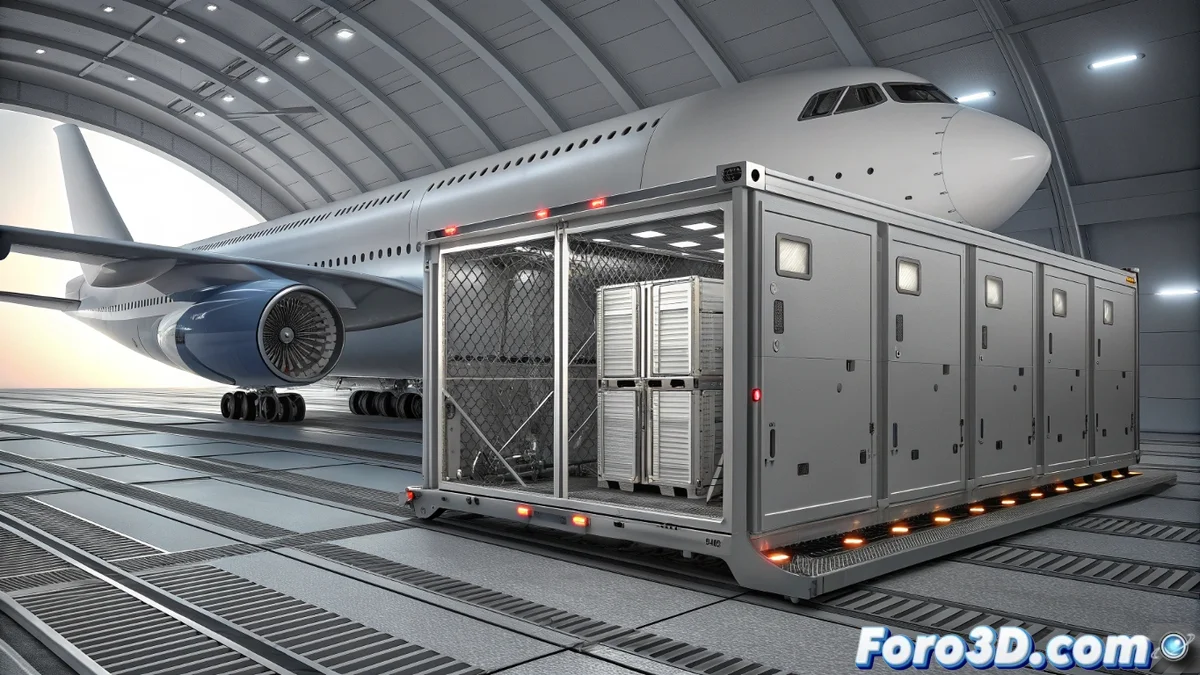
China Deploys Security System for Transporting Lithium Batteries on Airplanes
To address the urgent need to move lithium-ion batteries safely in the global supply chain, China has introduced a technological innovation. This system is specifically designed to mitigate the inherent risks of air transport of these components, which can generate extreme heat or fires if damaged. The solution focuses on detecting and containing any anomalies during flight 🛫.
Intelligent Monitoring and Automatic Response
The core of the mechanism consists of a network of integrated sensors that constantly monitor critical parameters such as temperature and pressure inside the cargo containers. If an anomaly is detected, such as the onset of overheating, the system autonomously activates containment protocols. This allows for an immediate reaction, much faster than manual intervention.
Key functions of the response system:- Automatic thermal isolation of the affected battery unit to contain the event.
- Release of specialized suppressant agents to control and extinguish a potential fire in its initial phase.
- Real-time data transmission to the cockpit, informing the crew so they can make data-based decisions.
The ability to contain an incident at its source is crucial for the safety of the entire aircraft and its cargo.
Material Engineering for Maximum Containment
To build the specialized containers, next-generation composite materials are used. These materials are designed to be highly resistant to both fire and physical impacts, creating a robust barrier.
Features of the advanced containers:- They create a containment seal that can withstand a severe thermal event, preventing it from spreading to the rest of the hold and the aircraft structure.
- Their design prioritizes lightness to not significantly compromise the aircraft's maximum payload weight, a vital economic factor.
- Initial validation tests demonstrate that they can withstand the extreme conditions generated by a failing lithium battery.
A Step Forward in Secure Logistics
This development represents a significant advance for energy component logistics. While regulations for passenger liquids remain strict, the industry now has a more powerful tool to ensure that batteries, essential for modern technology, can travel by air with a greater margin of safety. The system seeks to balance market demand with non-negotiable aviation safety protocols ✈️.