China Advances with Sodium Batteries for Electric Cars
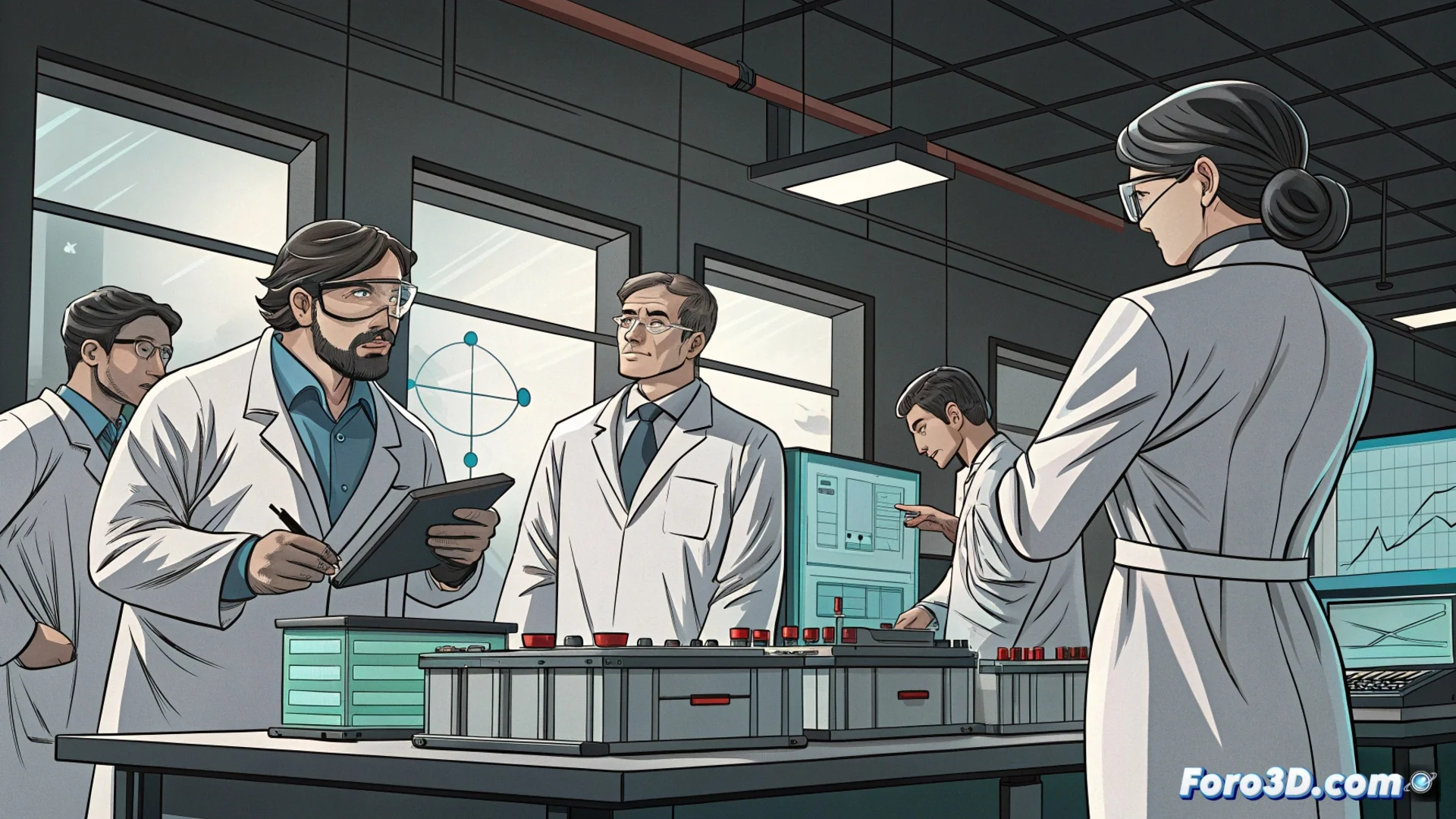
A group of scientists in China announces significant progress in sodium batteries designed for electric vehicles. This technology proposes an alternative to the common lithium-ion batteries, which require materials like cobalt and nickel, whose extraction can be complex. The core innovation lies in using common salt as the base for manufacturing the electrolyte. This approach promises to reduce costs and use more abundant resources. 🔋
Goals: Practical Range and Greater Safety
The developed prototype achieves an energy density that, according to the team, approaches that of certain lithium batteries available today. This parameter is crucial for an electric car to cover useful distances. Additionally, the cell design aims to improve thermal stability, a key aspect to avoid fire risks. Initial tests indicate that the battery withstands extreme temperatures without degrading quickly.
Key Features of the Prototype:- Electrolyte based on sodium chloride (common salt).
- Energy density competitive with some lithium batteries.
- Architecture that seeks to optimize safety and thermal stability.
While some celebrate the end of lithium dependency, others remind that each new material usually brings its own supply and recycling problems. Salt, for now, seems like a less contentious candidate.
Application Beyond Automobiles: Storing Renewable Energy
The potential impact of this innovation is not limited to transportation. The grid energy storage sector shows great interest. Sodium batteries, being potentially more economical and having abundant raw materials, could serve to store surplus generated by sources like solar or wind. Several Chinese companies are already setting up pilot production lines to evaluate their viability on a larger scale.
Challenges and Next Steps:- Overcome technical and logistical challenges for mass production.
- Evaluate long-term performance and recharge cycles.
- Develop efficient supply chains and recycling processes.
A Future with More Energy Options
This advance in sodium batteries underscores the global search for alternatives to lithium. Although the path to mass adoption still requires resolving several obstacles, the technology presents clear advantages in cost and material availability. Its success could not only transform the electric vehicle industry but also accelerate the transition to more sustainable energy systems based on renewables. Progress in China marks an important step in this direction. ⚡