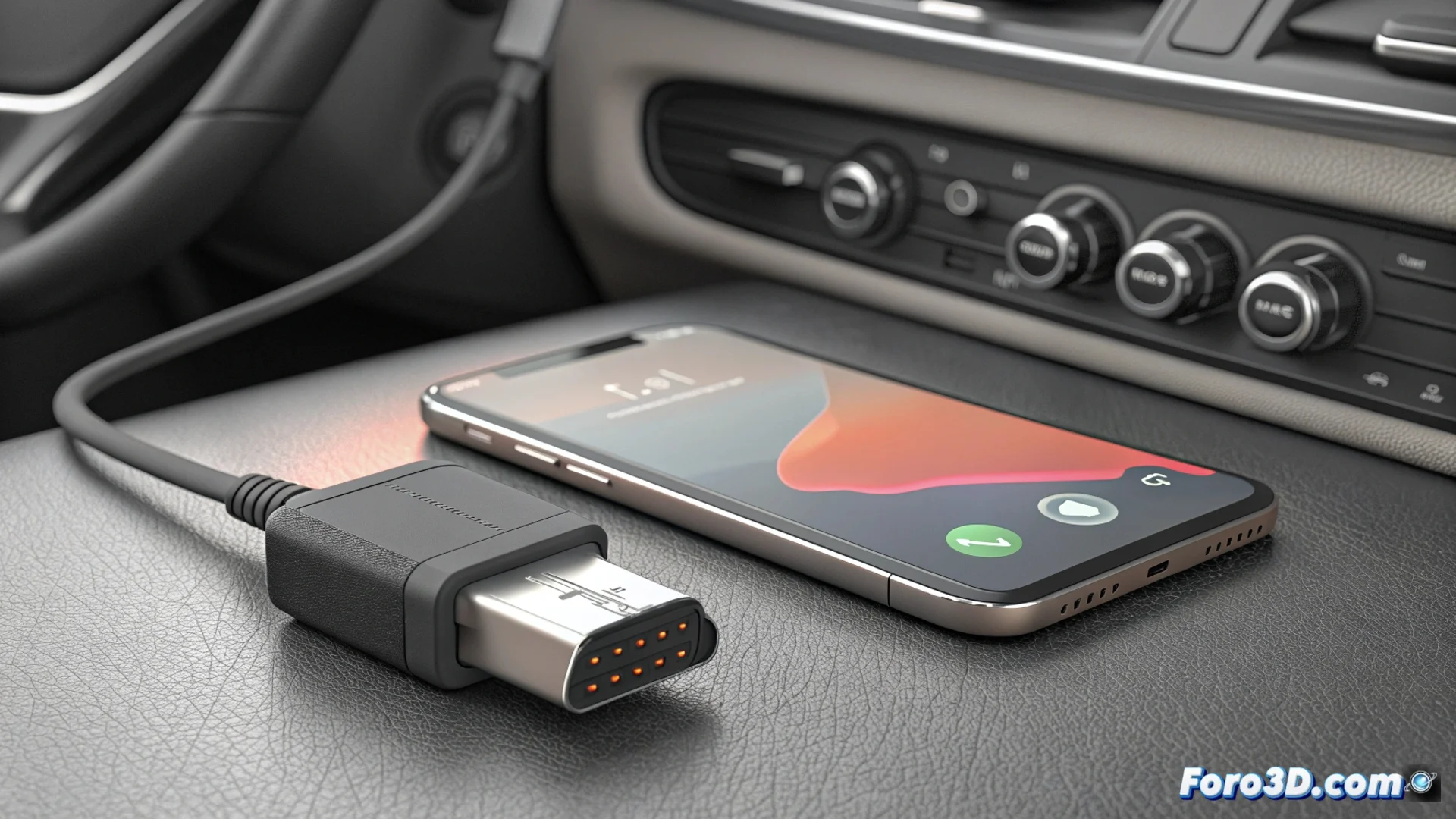
Budget OBD2 Scanners Rely on Mobile Apps
Many low-priced automotive diagnostic devices need to connect to a mobile app to process data and display results. This dependence on external software poses a significant risk to the buyer, as the hardware may become unusable if the app loses support. 🛠️
The Risk of Depending on an External App
The core problem is that the OBD2 scanner acts only as a physical adapter. The logic to interpret error codes and display information resides entirely in the phone's app. If the developing company ceases operations, fails to update it for new operating systems, or removes it from stores, the device stops working. The hardware, even if in perfect condition, becomes a practically useless object because it loses its communication interface. This is a clear example of planned obsolescence by software.
Before buying, evaluate these points:- Research the developer: Check their history and how frequently they update the app on Google Play or App Store.
- Look for user comments: Especially regarding compatibility issues with old or new versions of Android and iOS.
- Prefer software with an active community or open source: These options are more likely to receive long-term maintenance, even if the original manufacturer disappears.
An amateur mechanic discovers that his brand-new scanner now only serves to decorate the shelf next to the old phone that can no longer install the app.
Alternatives to Avoid Becoming Obsolete
To protect your investment and ensure long-term functionality, there are options that do not depend so heavily on the mobile ecosystem. These alternatives usually involve a higher initial outlay but guarantee the device retains its utility for more years.
More sustainable options:- Scanners with integrated screens: Mid-range and high-end models usually include their own screen and menus, operating autonomously without needing a phone.
- OBD2 adapters for PC software: They use a laptop as the interface. Programs like FORScan for Ford or INPA for BMW are examples. This PC software typically has longer lifecycles and is less prone to becoming obsolete quickly.
- Brands with shared generic apps: Some manufacturers use apps that work with multiple scanner models. If a brand disappears, the app might continue to function for other devices, extending its support.
Conclusion: Prioritize Software Longevity
When choosing a diagnostic tool, it is crucial to weigh the sustainability of the software with the same importance as the hardware features. A low price may hide a greater long-term cost if the device becomes useless in a few years. Opting for solutions with less dependence on ephemeral mobile apps or with open-source software is a smart decision for any amateur or professional who wants to avoid unpleasant surprises. 🔍