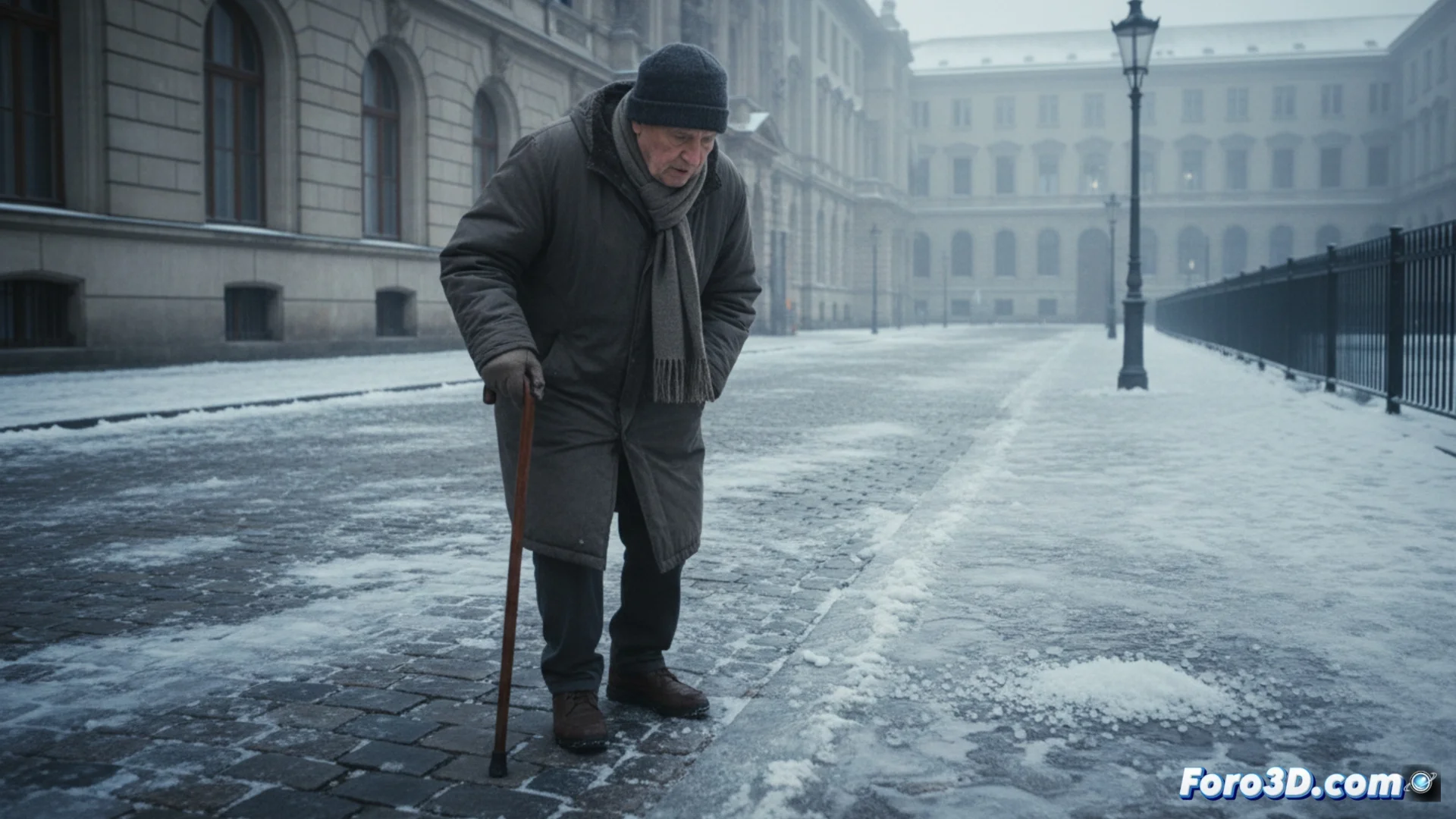
Charité Hospital Warns of Serious Injuries on Ice
The Charité University Hospital in Berlin reports an extraordinary number of admissions due to accidents on frozen surfaces. Sub-zero temperatures have turned streets into skating rinks, leading to a drastic increase in severe traumas that are overwhelming the operating rooms. 🏥
A Winter That Breaks Bones
Medical teams are treating numerous cases of fractures in arms, shoulders, and ankles, as well as femoral neck injuries and head blows. Many of these patients require immediate surgical intervention, forcing the center to deploy additional resources to manage the situation.
The most common types of injuries:- Hip and femoral neck fractures, especially in older people.
- Traumatic brain injuries from impacts on the icy ground.
- Cracks and breaks in the upper extremities when trying to cushion the fall.
While some debate salt and the environment, bones are fracturing at the thermometer's pace.
The Controversy Over How to De-Ice Sidewalks
This public health issue is framed within a revived citizen debate on the use of salt to melt ice on sidewalks. After an initial ban, authorities have allowed its temporary use. The main goal is to protect the most vulnerable pedestrians, although the measure generates controversy due to its environmental effects.
Adaptations in healthcare services:- Staff at Charité and other hospitals are organizing extra shifts.
- Trauma emergencies are given absolute priority for surgery.
- Pressure on operating room and recovery services is at a maximum.
Tips to Avoid Accidents and Municipal Response
Experts emphasize that wearing appropriate footwear and exercising extreme caution in shady areas, bridges, and steps can prevent many of these mishaps. At the same time, police and cleaning services have intensified their patrols and warnings to the population to prevent more accidents. In this battle against the elements, prudence is the best ally. ⚠️