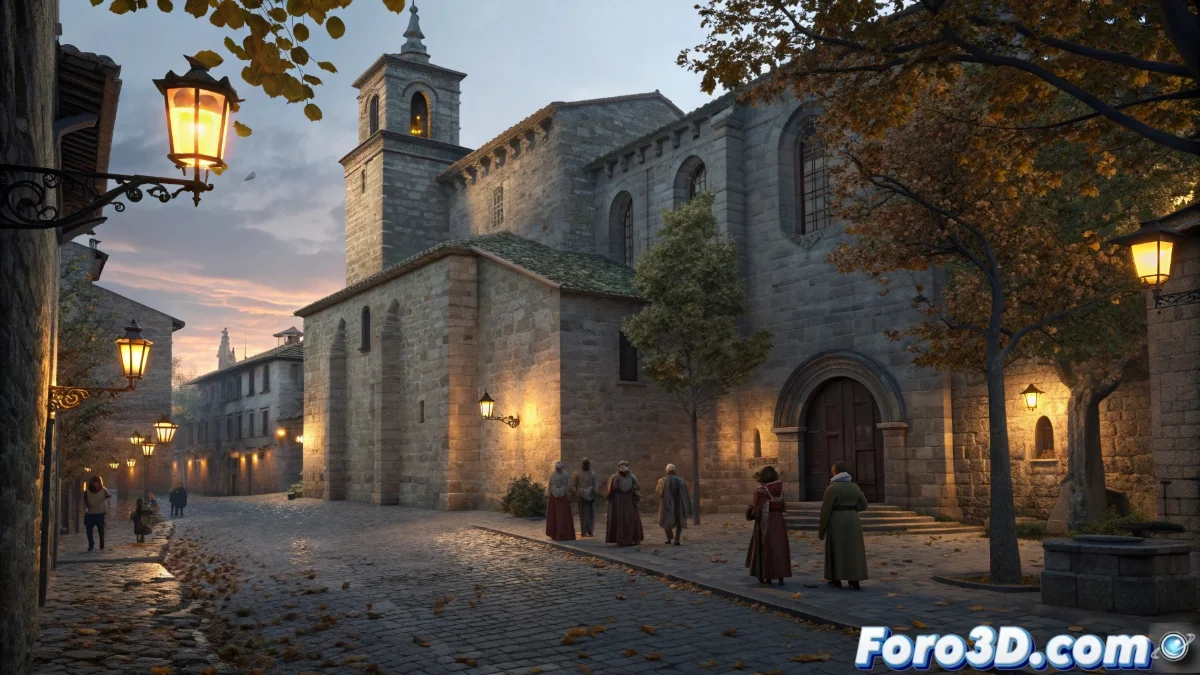
Celebration of San Saturnino in Pamplona: Tradition and Devotion
The capital of Navarre dresses in its finest attire every November 29th to honor its celestial patron saint with a program that fuses the sacred and the popular. The festive atmosphere floods the historic quarter as residents actively participate in the various scheduled events 🎉.
Historical Roots of the Pamplona Protector
San Saturnino, the first bishop of Toulouse, carried out his evangelical work in the lands of Navarre during the 3rd century. Oral tradition maintains that it was he who baptized San Fermín on the site where the church dedicated to the saint now stands, establishing a permanent spiritual bond with the city.
Highlighted Elements of His Legacy:- Introduced Christianity to the Navarrese territory
- His chapel in the Church of San Lorenzo houses venerated relics
- Represents the spiritual connection between Pamplona and Toulouse
The figure of San Saturnino symbolizes the foundations of Christianity in Navarre and its influence endures in current traditions
Current Festive Manifestations
The main events are concentrated in the Church of San Lorenzo, the setting for a solemn mass attended by ecclesiastical authorities. Subsequently, the image of the saint travels through the urban layout accompanied by municipal representatives, musical groups, and brotherhoods.
Characteristic Components of the Celebration:- Special gastronomic offerings with traditional sweets and ring-shaped cakes
- Atmosphere combining religious devotion and popular entertainment
- Active participation of confraternities and residents of the old town
Seasonal Contrast in Traditions
It is particularly interesting to observe how during this winter celebration participants accept without question the penitential cold as an inherent part of the tradition, while in summer any similar event requires protective measures against the heat like shade and refreshments as protocol dictates ❄️.