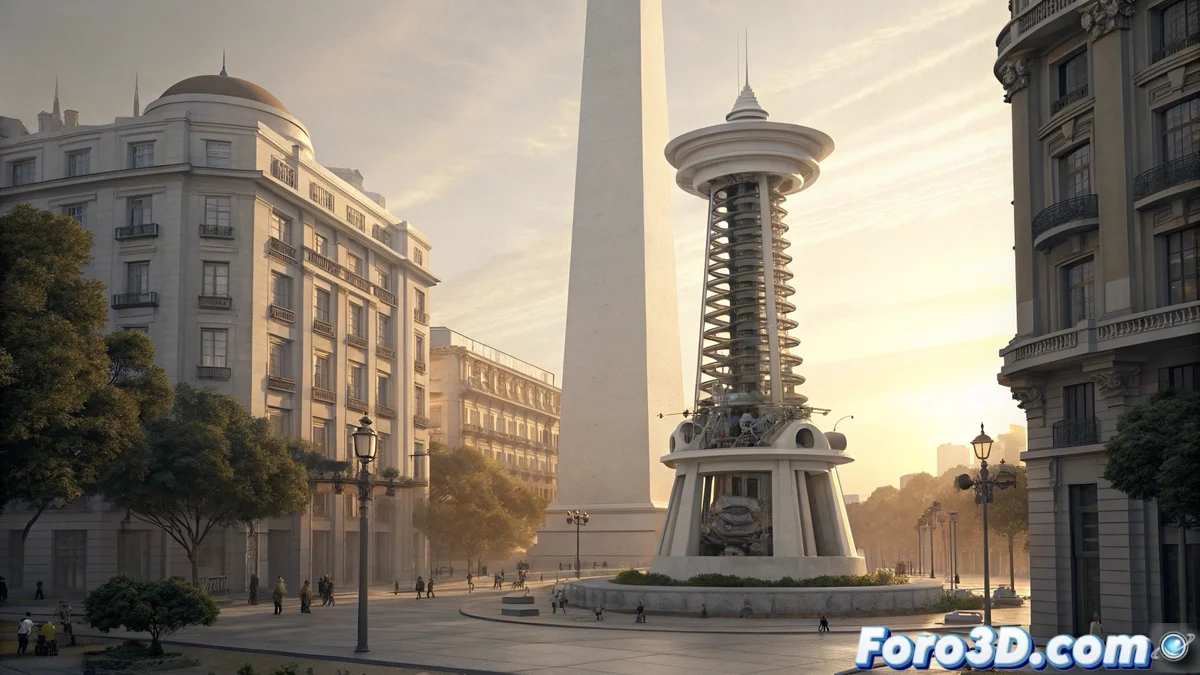
Calatrava's Rotating Obelisk: From Mechanical Marvel to Static Monument
In the heart of Madrid stands a sculptural structure that once captivated with its helical movement, designed by the renowned architect Santiago Calatrava. Conceived as an symbol of evolution and progress, this obelisk represented the perfect union between art and engineering, although its fate took an unexpected turn that transformed it into a testament to unresolved challenges 🎭.
The Complex Internal Mechanism and Its Forced Silence
Inside the obelisk structure pulsed a sophisticated system composed of precision motors and specialized gears, created specifically to generate that continuous rotary movement that defined its essence. However, this mechanism demanded constant and specialized maintenance, facing natural wear from friction and exposure to variable weather conditions. The high repair costs and significant energy consumption led the city council to decide to permanently disconnect the system, depriving the sculpture of its most distinctive quality 🔧.
Factors that led to immobility:- Prohibitive maintenance costs that exceeded municipal budgets
- Accelerated wear of mechanical components due to continuous use and environmental conditions
- High energy consumption that made its permanent operation unsustainable
A sculpture designed for eternal movement now rests in perpetual stillness, demonstrating how the practical can overcome the visionary
The Functional Paradox of an Unfinished Work
Although formally inaugurated as complete, the inability to maintain its movement has created a paradoxical situation where the obelisk exists in a state of permanent functional inconclusion. While passersby admire its architectural aesthetics, many are unaware that it should be performing its rotating choreography, generating that play of lights and shadows for which it was specifically conceived. This situation raises fundamental questions about the sustainability of artworks that incorporate advanced technology and how the passage of time can radically alter their original essence 🕰️.
Aspects of the functional paradox:- Work technically complete but functionally incomplete
- Widespread ignorance about its original dynamic nature
- Reflection on the long-term viability of technological art
The Transformed Symbolism: From Movement to Stillness
It is profoundly ironic that a structure created to symbolize evolution and dynamism now remains more static than most conventional urban monuments. The obelisk has mutated its original meaning to become a powerful symbol of the permanent tension between unlimited creative ambition and the practical restrictions of reality. Its current stillness eloquently speaks about the limits of technology, resource management, and how even the brightest visions can be modified by economic and technical considerations 🏛️.