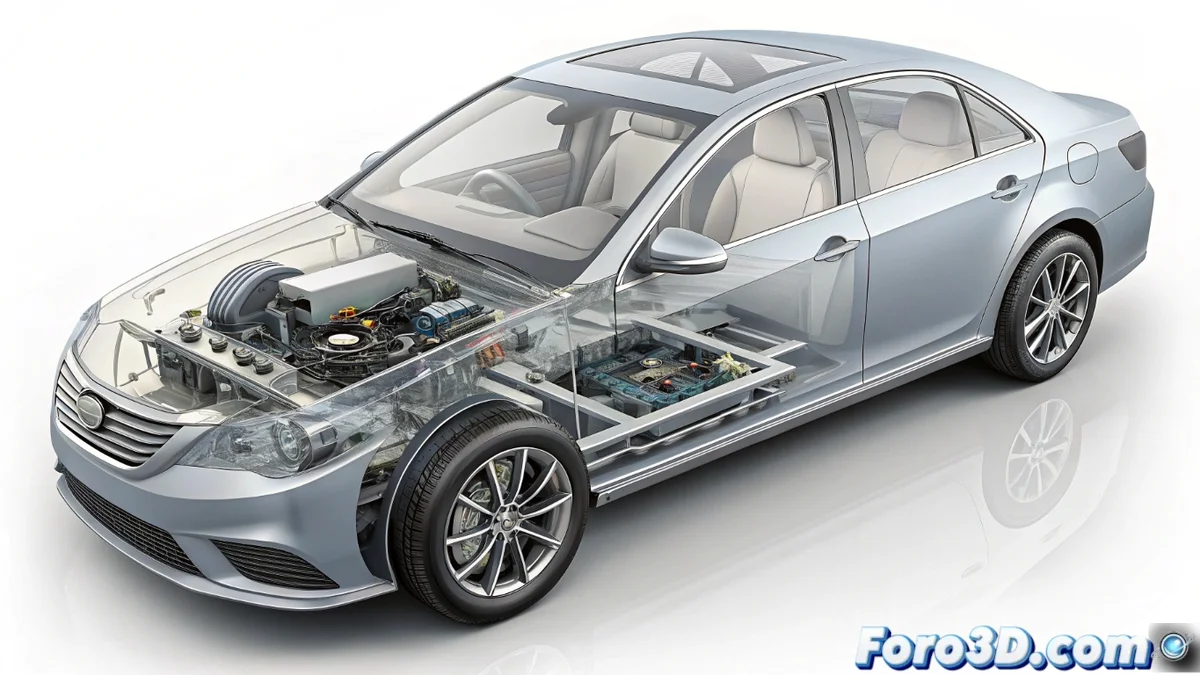
BYD Presents Its New Plug-in Hybrid Technology
After consolidating its position in the electric car market, the Chinese firm BYD advances in the plug-in hybrid segment with a new development. This innovation seeks to optimize energy usage and extend the distance that can be traveled solely on electricity, marking a key step in its strategy. 🔋
Dual Architecture for Maximum Efficiency
The system implements a series hybrid architecture where a combustion engine primarily acts as a generator. Its function is to charge a higher-capacity battery pack. The task of moving the wheels falls to a powerful electric motor, allowing travel without using fuel on many routes. An intelligent control unit manages the transition between energy sources, always prioritizing electric mode.
Main features of the system:- Thermal engine optimized to function as an efficient generator.
- Main electric motor that provides traction to the vehicle.
- Control unit that intelligently manages available energy.
The philosophy is clear: offer an almost totally electric experience, with thermal backup when necessary.
Electric Range for Daily Use
The heart of the system is its high-capacity battery, which surpasses those of previous PHEV generations. This increase allows the car to cover most daily urban trips using only electricity. For longer journeys, the combustion engine activates, eliminating concerns about running out of charge. 🚗
Advantages of extended range:- Covers most everyday trips in 100% electric mode.
- Eliminates range anxiety on long trips.
- Reduces fuel consumption and emissions in the city.
A Pragmatic Technological Strategy
With this development, BYD is not just seeking to improve a product, but to address a realistic transition. The presented technology is a pragmatic response: it brings the advantages of pure electrification to more users, offering an integrated Plan B that guarantees total flexibility. This approach could accelerate the mass adoption of vehicles with very low emissions.