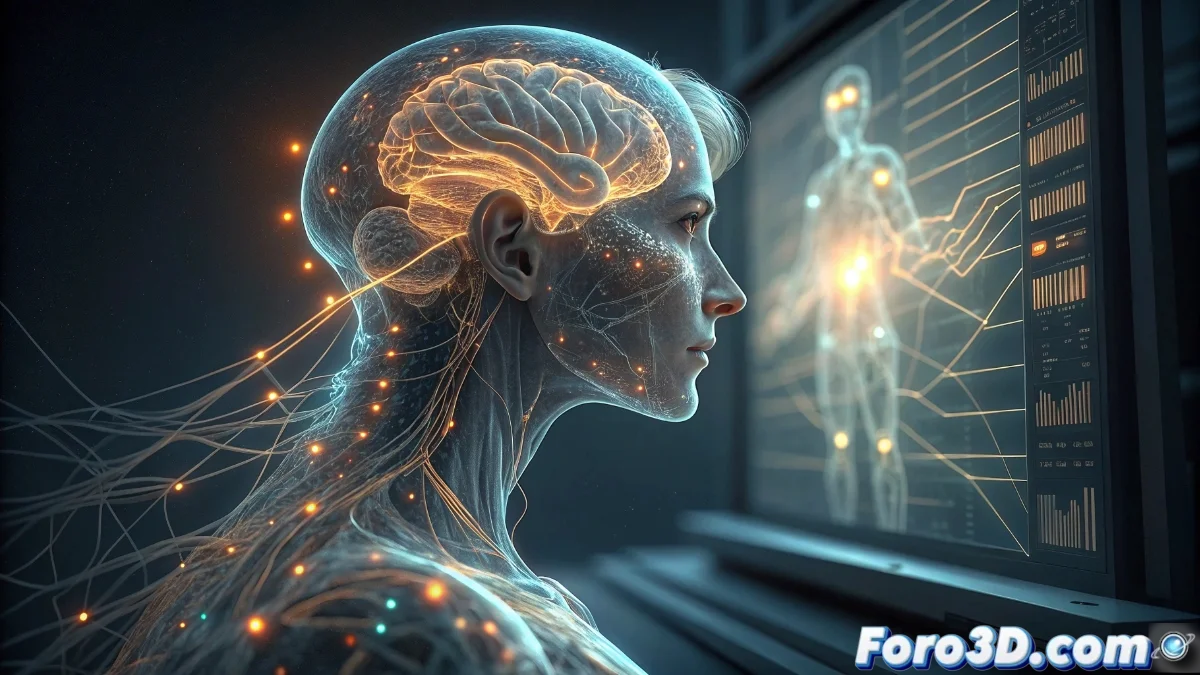
Brain-Computer Interfaces: Translating Thoughts into Spoken Language
Brain-computer interfaces represent a transformative innovation in the field of modern neurotechnology, enabling the direct conversion of neural activity into audible verbal communication. These revolutionary systems capture brain patterns using specialized sensors and transform them into synthesized language, opening new possibilities for people with severe communication limitations 🧠.
Fundamentals of Neural Processing
The mechanism is activated when the user mentally visualizes the act of speaking or forming specific words, generating characteristic patterns in the brain regions associated with language. High-sensitivity monitoring devices record these electrical signals, which are subsequently analyzed by artificial intelligence algorithms trained to identify patterns corresponding to basic linguistic units.
Key stages of the process:- Detection of brain activity using implanted or surface electrodes
- Interpretation of neural patterns using machine learning algorithms
- Conversion of decoded signals into synthesized phonemes and words
The system's accuracy is progressively optimized through feedback mechanisms, adapting to each individual's neurophysiological particularities
Practical Applications and Current Limitations
These technologies not only facilitate basic communication but also potentially enable advanced interactions with digital systems and smart devices. Research teams at institutions like Stanford and UCSF have demonstrated decoding capabilities exceeding 160 words per minute using extensive vocabularies 💬.
Pending technological challenges:- Improvement of spatial resolution in brain signal capture
- Significant reduction of initial calibration times
- Development of less invasive interfaces for prolonged use
- Integration with personalized voice synthesis systems
Future Perspectives and Ethical Considerations
Although the potential is immense, current technology has significant limitations regarding the interpretation of complex thoughts or elaborate internal dialogues. Contemporary systems specialize in patterns associated with intentional speech, preserving the privacy of deeper cognitive processes. Evolution toward more advanced interfaces will require substantial advances in sensors, algorithms, and understanding of the neural mechanisms of language 🚀.