Body Stereotypes in Spanish Audiovisual Fiction
The Spanish entertainment industry maintains repetitive patterns in the construction of characters with body diversity that reinforce simplistic views about overweight people. 🎬
Reductionist Male Archetypes
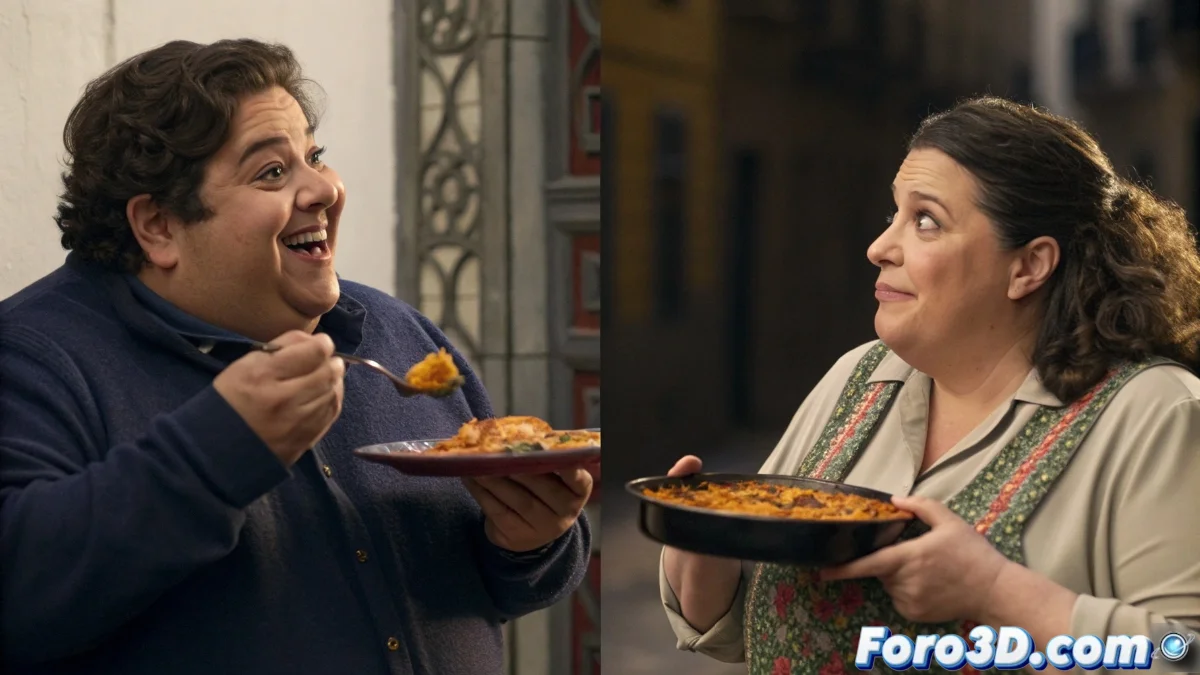
Male characters with robust builds are systematically typecast in comedic roles where their constant appetite completely defines their personality. These individuals rarely evolve beyond being elements of humorous relief within the main plots.
Recurrent characteristics in male characters:- Dialogues focused exclusively on gastronomic themes and culinary experiences
- Lack of deep plot development or significant personal evolution
- Narrative function limited to providing comedic moments or humorous contrast
The automatic association between fatness and gluttony remains a commonplace in contemporary Spanish scripts
Disparity in Female Characterization
While men receive an indulgent treatment from humor, women with non-normative bodies bear the dramatic weight of constant body dissatisfaction. Their stories predominantly revolve around self-image conflicts and the search for acceptance.
Significant differences in treatment:- Narrative focus centered on diets, complexes, and critical looks in the mirror
- Greater severity in applying unrealistic aesthetic standards
- Reduction of female plots to body self-acceptance conflicts
Cultural Paradox and Missed Opportunities
It is paradoxical that in a nation world-renowned for its culinary richness and cultural diversity, the screen shows such scarce body variety. Content creators seem to prefer standardized bodies that fit pre-established molds, limiting narrative possibilities. 📺