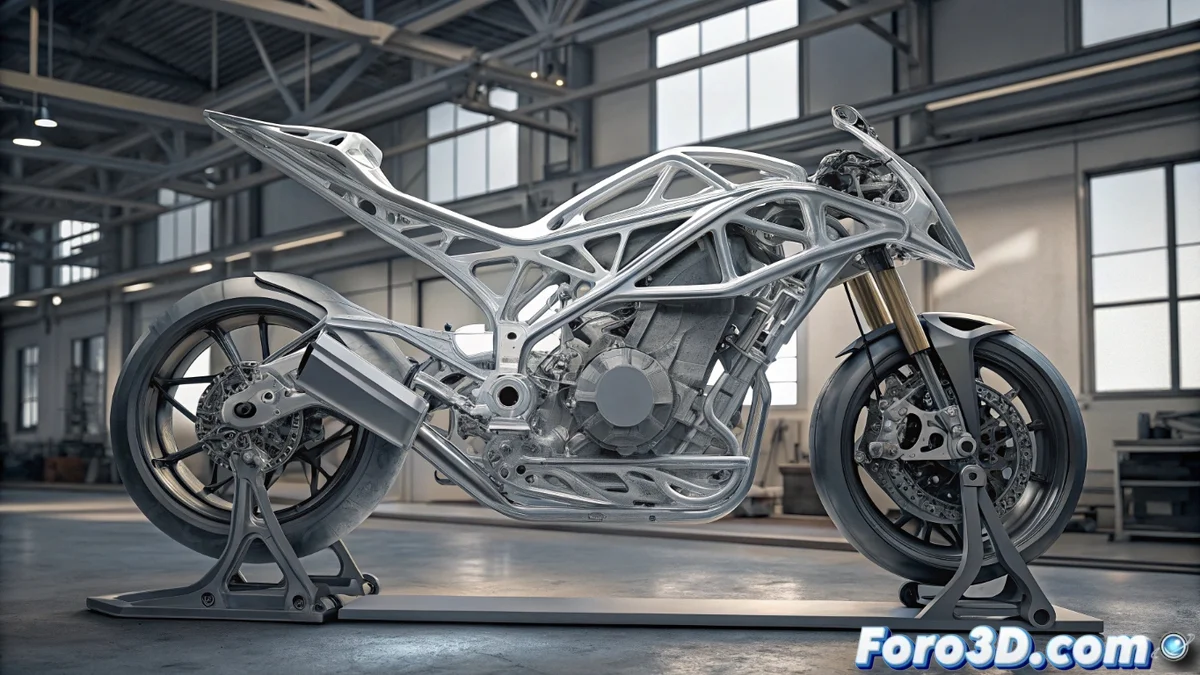
BMW Explores 3D Printing for Its Motorcycles
Imagine transforming the essence of a motorcycle like the BMW S1000RR through the magic of metal 3D printing, specifically the SLM technique, which allows building entire parts like the frame and swingarm with astonishing precision. This revolution not only reinvents prototyping but integrates nature-inspired internal designs to achieve a perfect balance between reduced weight and superior rigidity, overcoming the limitations of traditional welding. All this in a single manufacturing step that seems straight out of a futuristic world 🚀.
Advantages of This Innovative Technology
BMW's adoption of SLM is not just a technical trick; it represents a leap toward bionic structures that optimize the motorcycle's dynamic performance. By reducing overall weight without sacrificing rigidity, these parts make the S1000RR more agile in corners and safer at high speeds, offering enthusiasts a riding experience that raises the bar for superbikes. This approach integrates complexity efficiently, making a palpable difference compared to conventional methods.
Key Advantages:- Significant reduction in total weight, improving acceleration and handling on demanding tracks.
- Maintenance of optimal rigidity to ensure stability and control during fast maneuvers.
- Elimination of multiple assemblies, simplifying the process and reducing potential failure points.
In a world where motorcycles seek to be faster and lighter, manufacturing a frame with this technology is like sculpting a modern work of art, though it might leave traditional mechanics feeling obsolete in their own garage.
Impact on the Automotive Industry
BMW doesn't stop at the S1000RR; it is paving the way for this SLM technique to expand to other models, promoting customized and sustainable designs that could redefine component production. This innovation fosters more eco-friendly manufacturing by minimizing waste and materials, opening doors to a future where motorcycles and cars easily adapt to specific user needs.
Possible Areas of Expansion:- Extension to prototypes of other BMW vehicles, accelerating development and customization.
- Revolution in sustainability, with processes that reduce environmental impact and promote recyclable materials.
- Inspiration for competitors in the industry, fostering an era of more innovative and efficient components.
Conclusions and Final Reflections
In summary, BMW's use of SLM 3D printing on its S1000RR is not just a technical advance, but a step toward a new era of mobility. By optimizing weight, rigidity, and sustainability, this technology could transform the automotive industry, making bionic designs the norm rather than the exception. With a personal touch, it's exciting to think about how this could make every motorcycle ride more thrilling and responsible, opening horizons for enthusiasts and professionals alike 🌟.