When Snow Hides Mortal Sins
PANICK Entertainment plunges us once more into the heart-wrenching moral dilemma that began in the acclaimed first issue of Black Diamond. What seemed like a family ski vacation turned into an existential nightmare when an ancient cult kidnapped the son of separated parents, revealing the terrifying truth: children are sacrificed to invoke perpetual snow. The second issue delves deeper into the devastating consequences of this revelation.
The protagonists now face the most abominable decision any parent could imagine: find another child to sacrifice or lose their own forever. This premise, which could feel sensationalist in less skilled hands, becomes here a deeply human psychological study on the limits of parental love and morality in extreme circumstances.
How far would you go to save your child? The answer may terrify you more than the question.
Art That Freezes the Soul
The expressive linework of Danilo Beyruth reaches new heights of emotional intensity in this second issue. His characters display a palpable psychological depth in every panel, conveying the growing desperation of parents watching their world crumble. The page composition masterfully reflects their fractured mental state, with framing that generates claustrophobia even in open spaces.
The chromatic palette of Lee Loughridge deserves special mention, using bluish and grayish tones that not only represent the snowy environment but also the emotional cold enveloping the protagonists. The scarce but strategic touches of color on key elements create dramatic focal points that guide the reading and emphasize crucial moments in the narrative.
- Facial expressions conveying moral agony
- Claustrophobic compositions in open spaces
- Limited palette reflecting emotional states
- Dreamlike sequences blending reality and nightmare
The Cult of Eternal Snow
This issue delves into the mythology of the mysterious cult, revealing that their obsession with snow goes beyond the meteorological. For them, snow represents purity, oblivion, and rebirth, albeit obtained through the most impure means imaginable. Their rituals mix elements of Nordic folklore with animist beliefs, creating a disturbingly coherent cosmology.
The child sacrifices are not acts of gratuitous evil but part of an elaborate belief system that justifies the unjustifiable. This complexity turns the antagonists into something more than one-dimensional villains, adding layers of depth to a conflict already morally ambiguous by nature.
The most terrifying monsters are those who firmly believe they are the heroes of their own story.
The Weight of the Impossible Decision
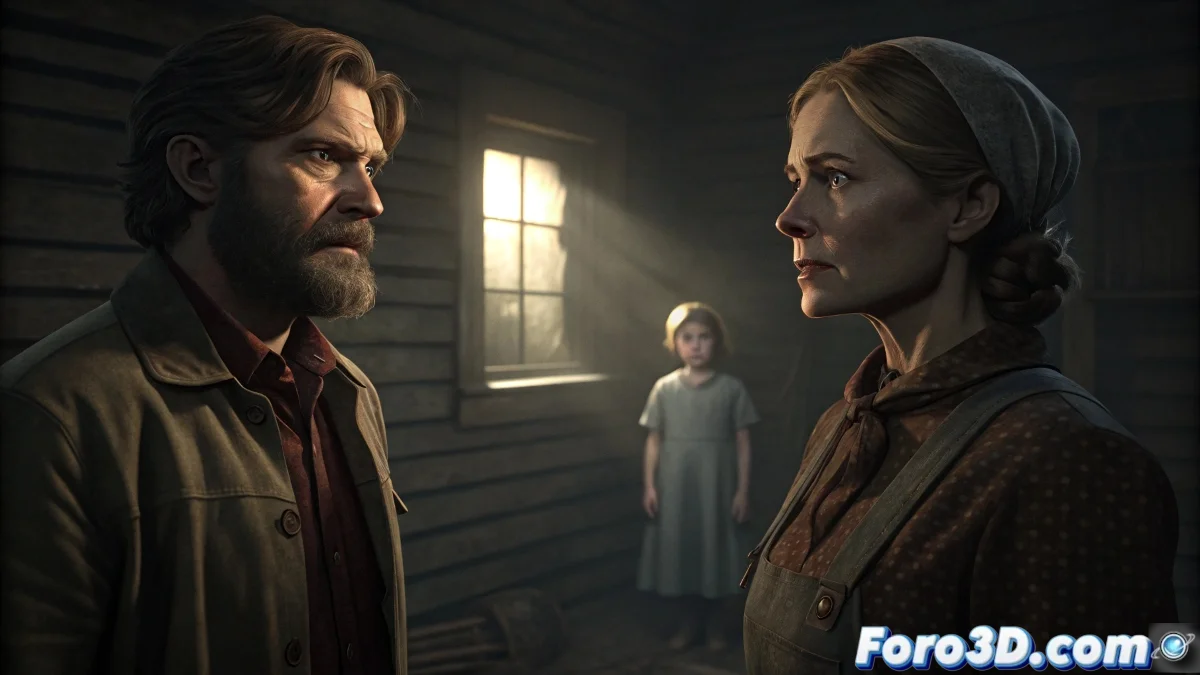
The narrative explores with brutal psychological honesty how the protagonists face their dilemma. The mother, driven by the most visceral maternal desperation, begins to rationalize the irrational, while the father clings to moral principles that seem increasingly abstract against the concrete pain of losing a child.
Their arguments are not simple clashes between good and evil, but profound philosophical debates developed under unbearable emotional pressure. Every argument, every glance, every silence is loaded with moral meaning and potentially catastrophic consequences.
- Psychological evolution of characters under extreme pressure
- Dialogue laden with emotional subtext
- Strategic flashbacks contextualizing decisions
- Moments of stillness amplifying tension </ul